Recommended Books
Discover the best books on microdosing, psychedelics, neuroscience, and spirituality. Expert reviews and recommendations.
Filters
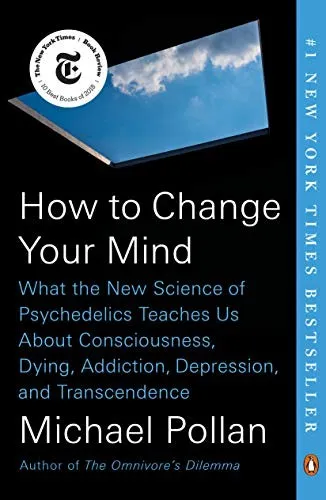
How to Change Your Mind
Michael Pollan (2018)
A groundbreaking exploration of the renaissance in psychedelic research. Michael Pollan takes readers on a journey through the history, science, and personal experience of psychedelic substances.
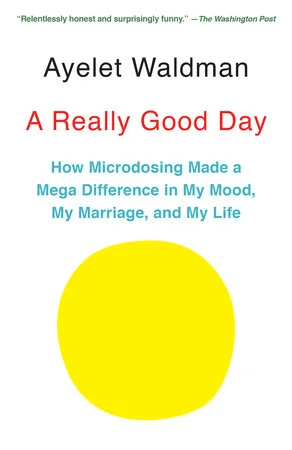
A Really Good Day
Ayelet Waldman (2017)
A candid memoir of one woman's month-long experiment with microdosing LSD. Ayelet Waldman documents how tiny doses of the substance transformed her daily life while exploring the science, history, and politics of psychedelics.
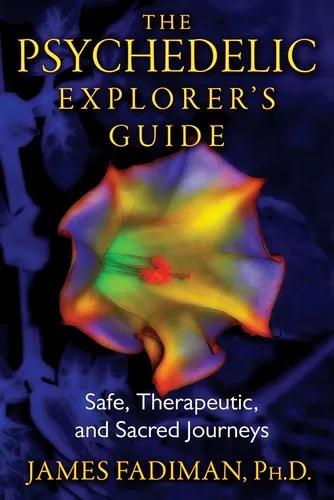
The Psychedelic Explorer's Guide
James Fadiman (2011)
The definitive handbook for safe psychedelic use. James Fadiman distills decades of research and thousands of session reports into practical guidance covering microdosing, therapeutic sessions, and high-dose experiences.
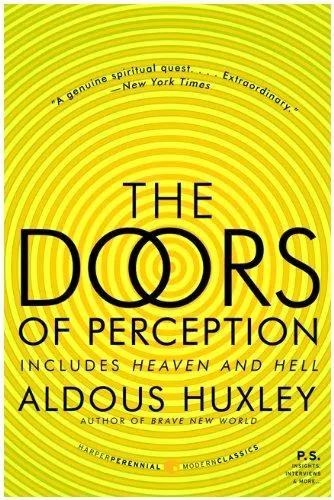
The Doors of Perception
Aldous Huxley (1954)
A seminal essay in which Aldous Huxley recounts his first experience with mescaline in 1953, exploring how the drug dissolves the brain's filtering mechanisms and opens the mind to a richer, unmediated perception of reality.
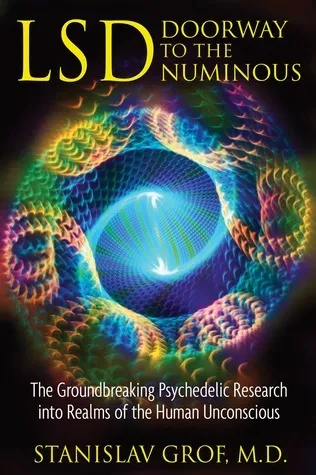
LSD: Doorway to the Numinous
Stanislav Grof (1975)
Based on approximately 2,500 clinical LSD sessions over 17 years, Stanislav Grof maps three domains of the human unconscious — the psychodynamic, the perinatal, and the transpersonal — demonstrating how LSD acts as a nonspecific amplifier of unconscious processes.
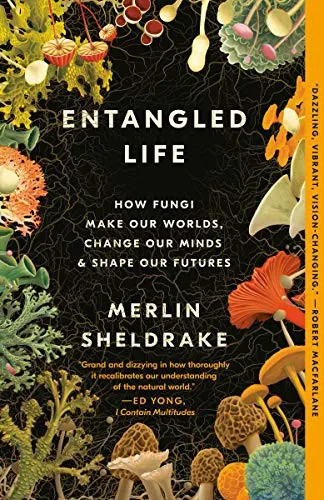
Entangled Life
Merlin Sheldrake (2020)
A Royal Society Science Book Prize-winning exploration of the hidden kingdom of fungi — from underground mycelial networks connecting forests to psilocybin mushrooms and their effects on human consciousness.
Food of the Gods
Terence McKenna (1992)
McKenna presents a sweeping argument that psychoactive plants — especially psilocybin mushrooms — played a pivotal role in human cognitive evolution, language development, and cultural formation. A provocative blend of ethnobotany, anthropology, and cultural history.
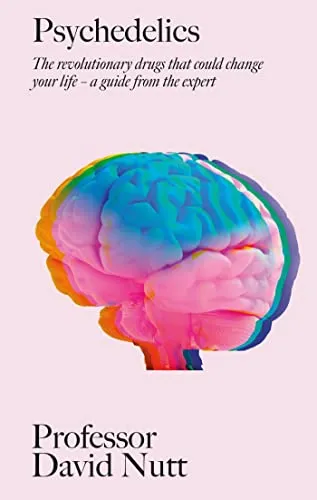
Psychedelics
David Nutt (2023)
The definitive accessible guide to psychedelic science by one of the world's leading neuropsychopharmacologists. Professor David Nutt covers the pharmacology, neuroscience, and clinical evidence for LSD, psilocybin, MDMA, DMT, ayahuasca, and ketamine.
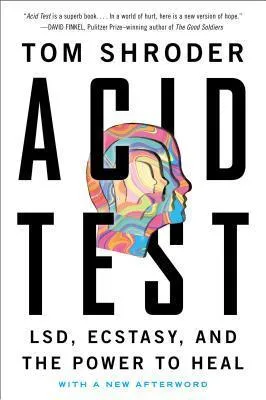
Acid Test
Tom Shroder (2014)
Award-winning Washington Post journalist Tom Shroder tells the story of the psychedelic renaissance through three interconnected lives: Rick Doblin, founder of MAPS; Michael Mithoefer, the psychiatrist pioneering MDMA-assisted therapy; and Nick Blackston, a Marine suffering from severe PTSD. The book traces the arc from LSD's discovery through prohibition to the modern clinical trials that are bringing psychedelics back into medicine.
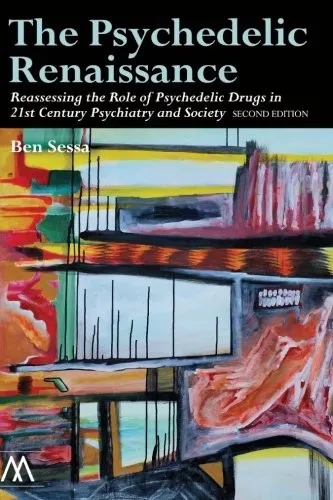
The Psychedelic Renaissance
Ben Sessa (2017)
A psychiatrist and clinical researcher who has personally conducted MDMA and psilocybin therapy trials provides a thorough overview of psychedelic science, history, pharmacology, and clinical potential. Extensively revised for the 2017 second edition, the book surveys every major psychedelic substance and its evidence base for treating psychiatric disorders.
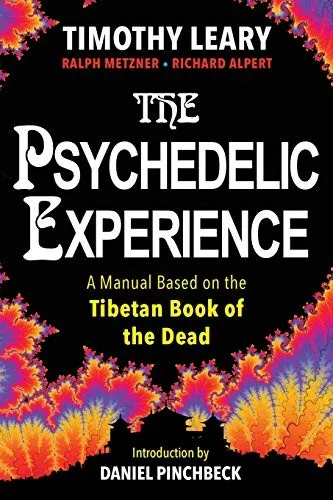
The Psychedelic Experience
Timothy Leary, Ralph Metzner, Richard Alpert (1964)
The foundational manual for navigating psychedelic experiences, reinterpreting the Tibetan Book of the Dead as a framework for ego dissolution, bardo states, and re-entry during LSD and psilocybin sessions. Written by the three Harvard researchers who launched the modern psychedelic movement, it established the concepts of preparation, set and setting, and guided sessions that remain central to all psychedelic practice today.
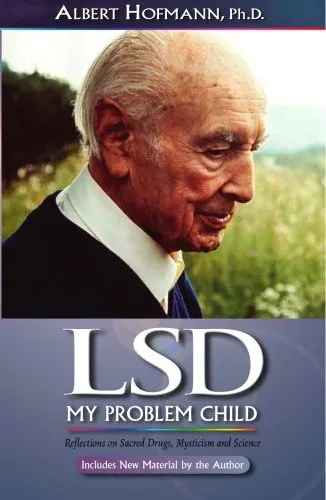
LSD: My Problem Child
Albert Hofmann (1979)
The firsthand account by the chemist who accidentally discovered LSD's psychoactive properties in 1943 — from the legendary "Bicycle Day" first trip to decades of promising psychiatric research and ultimate prohibition. Hofmann also documents his isolation of psilocybin from Mexican sacred mushrooms and his correspondence with Huxley, Leary, Wasson, and Jünger.
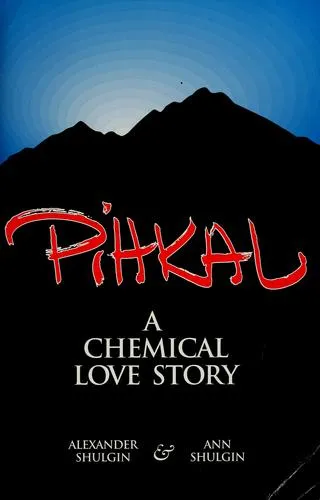
PiHKAL: A Chemical Love Story
Alexander Shulgin, Ann Shulgin (1991)
The most iconic book in psychedelic chemistry — part intimate love story memoir, part encyclopedic reference documenting 179 phenethylamine compounds with synthesis routes, precise dosage ranges, durations, and first-person experience reports. Written by Alexander "Sasha" Shulgin, who personally synthesized and bioassayed over 230 novel psychoactive compounds including popularizing MDMA for psychotherapy.
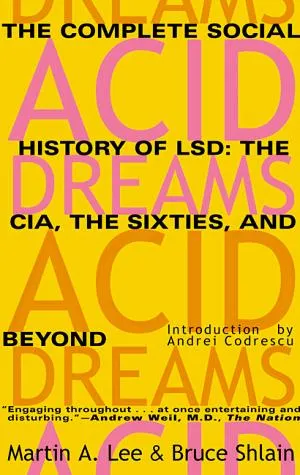
Acid Dreams
Martin A. Lee, Bruce Shlain (1985)
The definitive social history of LSD, tracing the substance from its synthesis by Albert Hofmann in 1938 through CIA mind-control experiments (MK-Ultra), the Harvard Psilocybin Project, the counterculture explosion of the 1960s, and the backlash that led to prohibition. Drawn partly from declassified government files, the book reveals how LSD shaped — and was shaped by — some of the most turbulent decades of American history.
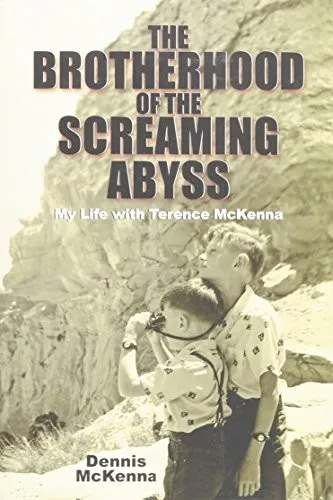
The Brotherhood of the Screaming Abyss
Dennis McKenna (2012)
Dennis McKenna's memoir of growing up with his brother Terence McKenna and their legendary 1971 expedition to La Chorrera, Colombia, where experiments with psilocybin mushrooms and ayahuasca produced experiences so extreme they challenged both brothers' understanding of reality. Equal parts love story, adventure narrative, and philosophical meditation on the nature of consciousness.
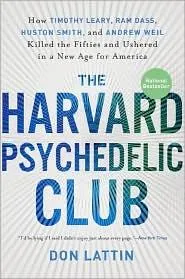
The Harvard Psychedelic Club
Don Lattin (2010)
The story of four men who crossed paths at Harvard in the early 1960s during the Psilocybin Project and went on to transform American culture: Timothy Leary (the trickster), Richard Alpert/Ram Dass (the seeker), Huston Smith (the scholar), and Andrew Weil (the healer). Journalist Don Lattin weaves their interconnected lives into a group biography that reveals how personal rivalries, spiritual quests, and institutional politics shaped the psychedelic movement.
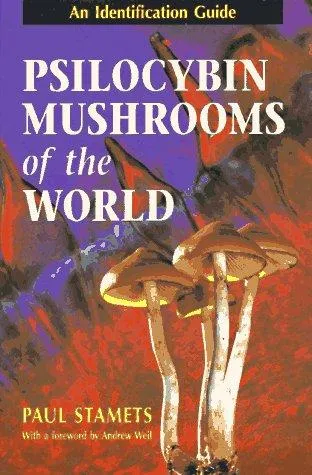
Psilocybin Mushrooms of the World
Paul Stamets (1996)
The standard field guide to psilocybin-containing mushrooms, written by the mycologist whose name is on the Stamets microdosing protocol. Detailed descriptions and colour photographs of more than 100 species, plus a rigorous method for telling them apart from their poisonous look-alikes.
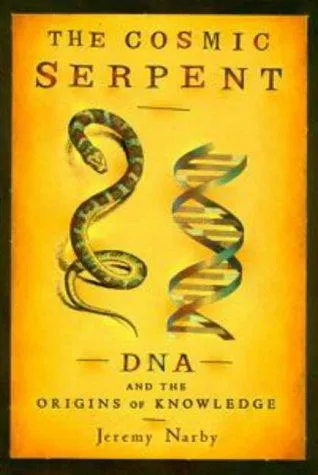
The Cosmic Serpent
Jeremy Narby (1998)
An anthropologist's account of ayahuasca among the Ashaninca of the Peruvian Amazon, and the bold hypothesis it led him to: that the twin serpents of shamanic vision and the double helix of DNA may be the same thing seen from two sides. A cult classic that has shaped how a generation thinks about plant medicine and indigenous knowledge.
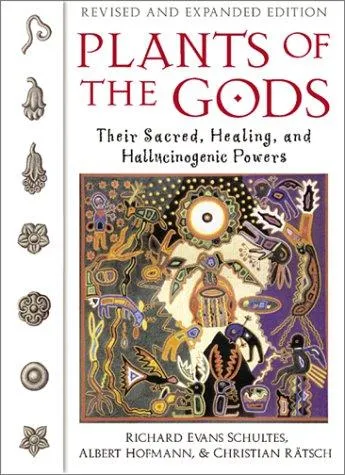
Plants of the Gods
Richard Evans Schultes, Albert Hofmann, Christian Rätsch (1979)
The classic illustrated reference on psychoactive plants, written by the founder of ethnobotany and the chemist who discovered LSD, and revised by Christian Rätsch. Fourteen major plant hallucinogens explored in depth, a lexicon of nearly a hundred more, and a clear account of the chemistry behind them.
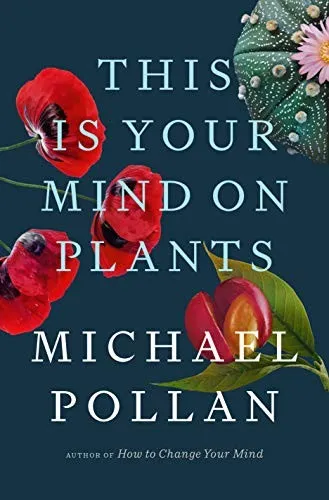
This Is Your Mind on Plants
Michael Pollan (2021)
Michael Pollan's follow-up to How to Change Your Mind examines three plant drugs — opium, caffeine and mescaline — and asks why one is illegal, one is in every kitchen and one is a protected sacrament. Part memoir, part reportage, part cultural history, it is an essay on how societies decide which changes in consciousness are permitted.
Important Legal Notice
⚠️ Personal Responsibility
You use this application entirely at your own risk and responsibility. MicrodosingDiary is only a tool for recording personal experiences.
🚫 Not a Medical Service
This application IS NOT a medical tool, does not provide medical advice, does not diagnose or treat any conditions. Always consult a qualified physician.
⚖️ Legislation and Laws
Many substances used for microdosing are illegal in many countries. Users are fully responsible for complying with local laws. The application does not support or promote illegal activity.
❌ No Guarantees
We provide no guarantees regarding results, safety or efficacy of microdosing. All information is for informational purposes only.
🔞 Age Restriction
Application is intended only for persons over 18 years of age. By using the application you confirm that you are an adult.
🔒 Data Privacy
Your diary entries are private and encrypted. The application is for personal use. Public-page analytics is described in Privacy and Terms.
By using this application you accept all the above risks and waive any claims against the application operator.