Recommended Books
Discover the best books on microdosing, psychedelics, neuroscience, and spirituality. Expert reviews and recommendations.
Filters
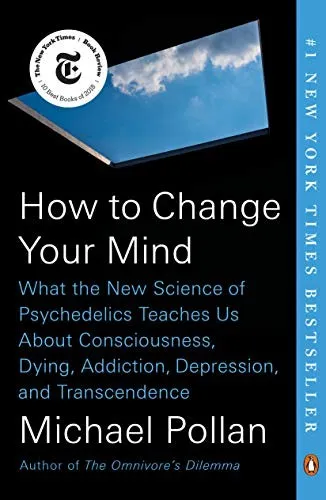
How to Change Your Mind
Michael Pollan (2018)
A groundbreaking exploration of the renaissance in psychedelic research. Michael Pollan takes readers on a journey through the history, science, and personal experience of psychedelic substances.
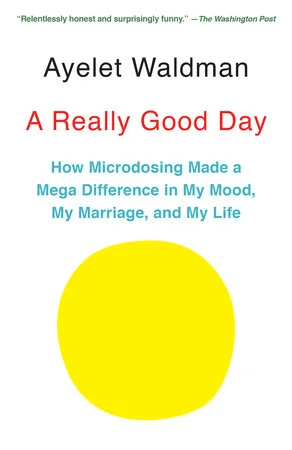
A Really Good Day
Ayelet Waldman (2017)
A candid memoir of one woman's month-long experiment with microdosing LSD. Ayelet Waldman documents how tiny doses of the substance transformed her daily life while exploring the science, history, and politics of psychedelics.
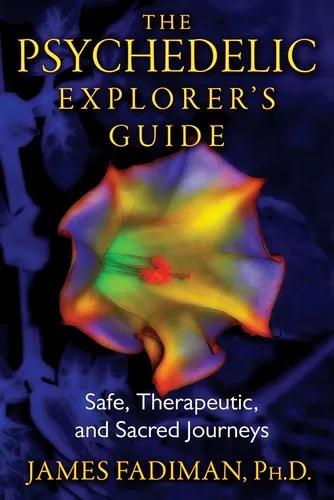
The Psychedelic Explorer's Guide
James Fadiman (2011)
The definitive handbook for safe psychedelic use. James Fadiman distills decades of research and thousands of session reports into practical guidance covering microdosing, therapeutic sessions, and high-dose experiences.
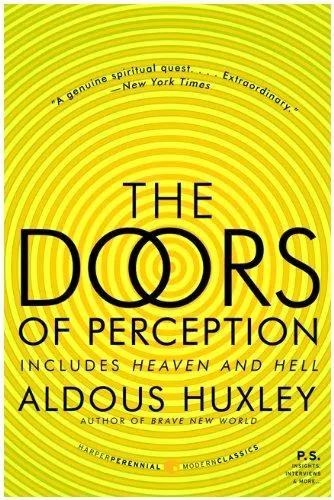
The Doors of Perception
Aldous Huxley (1954)
A seminal essay in which Aldous Huxley recounts his first experience with mescaline in 1953, exploring how the drug dissolves the brain's filtering mechanisms and opens the mind to a richer, unmediated perception of reality.
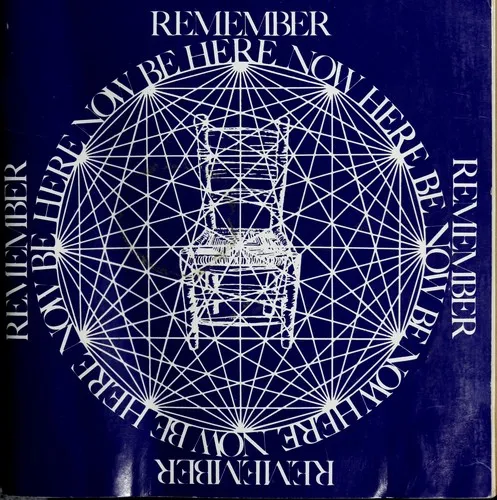
Be Here Now
Ram Dass (1971)
The foundational countercultural classic in which Richard Alpert — Harvard psychologist turned spiritual teacher Ram Dass — traces his journey from psychedelic experimentation to Eastern spiritual practice, offering a roadmap for integrating transcendent experience into everyday life.
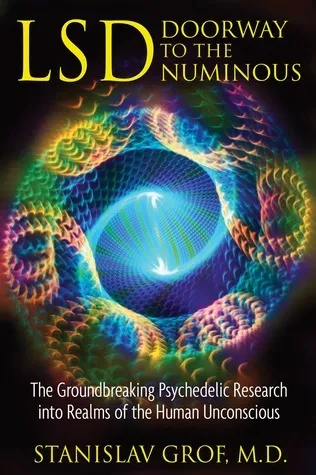
LSD: Doorway to the Numinous
Stanislav Grof (1975)
Based on approximately 2,500 clinical LSD sessions over 17 years, Stanislav Grof maps three domains of the human unconscious — the psychodynamic, the perinatal, and the transpersonal — demonstrating how LSD acts as a nonspecific amplifier of unconscious processes.
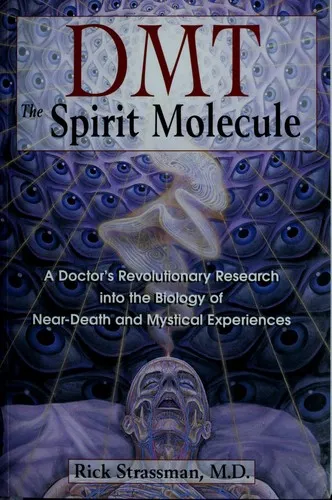
DMT: The Spirit Molecule
Rick Strassman (2001)
Rick Strassman documents the first U.S. government-approved clinical research with a psychedelic substance in over 20 years, administering approximately 400 doses of DMT to 60 volunteers at the University of New Mexico between 1990 and 1995.
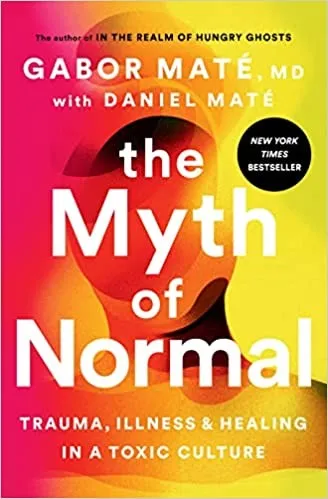
The Myth of Normal
Gabor Maté (2022)
Gabor Maté's most ambitious work investigates why chronic illness, mental health disorders, and addiction are soaring in Western societies. Drawing on four decades of clinical experience, he connects individual suffering to the toxic culture of modern life and provides a compassionate framework for healing.
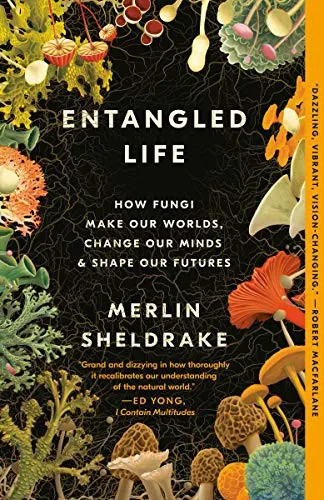
Entangled Life
Merlin Sheldrake (2020)
A Royal Society Science Book Prize-winning exploration of the hidden kingdom of fungi — from underground mycelial networks connecting forests to psilocybin mushrooms and their effects on human consciousness.
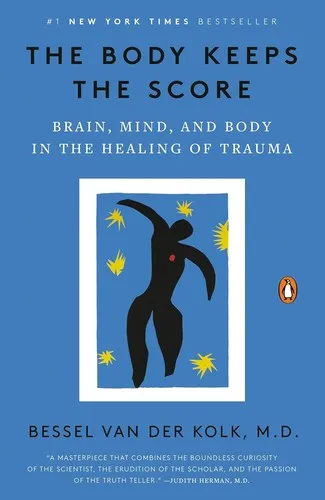
The Body Keeps the Score
Bessel van der Kolk (2014)
Drawing on over 30 years of clinical experience and neuroscience research, Bessel van der Kolk shows how traumatic stress reshapes the brain and body, and explores innovative treatments — including MDMA-assisted psychotherapy — that activate the brain's natural neuroplasticity.
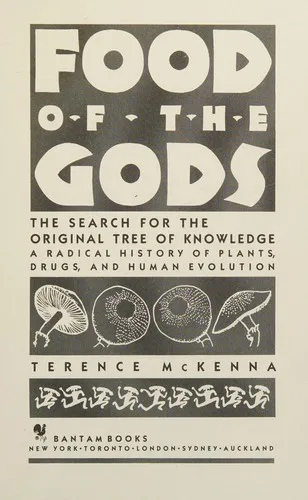
Food of the Gods
Terence McKenna (1992)
McKenna presents a sweeping argument that psychoactive plants — especially psilocybin mushrooms — played a pivotal role in human cognitive evolution, language development, and cultural formation. A provocative blend of ethnobotany, anthropology, and cultural history.
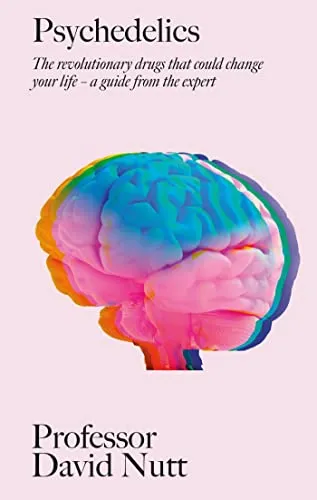
Psychedelics
David Nutt (2023)
The definitive accessible guide to psychedelic science by one of the world's leading neuropsychopharmacologists. Professor David Nutt covers the pharmacology, neuroscience, and clinical evidence for LSD, psilocybin, MDMA, DMT, ayahuasca, and ketamine.
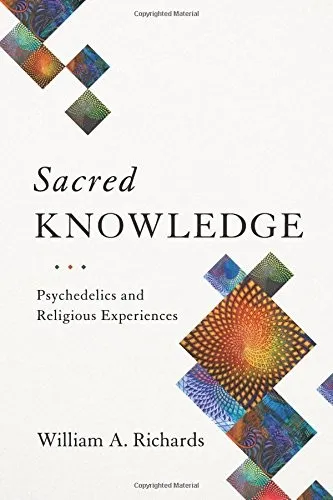
Sacred Knowledge
William A. Richards (2015)
Drawing on nearly three decades of legal psychedelic research at Johns Hopkins, Bill Richards bridges neuroscience, clinical psychology, theology, and mystical experience in the most sophisticated account of psychedelic spirituality available.
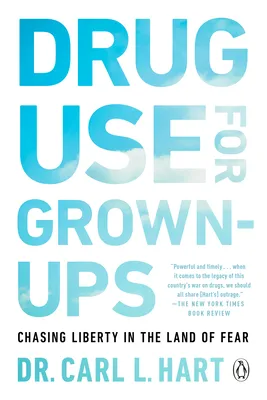
Drug Use for Grown-Ups
Carl L. Hart (2021)
Columbia University professor Carl Hart argues from decades of pharmacological research that the criminalization of drugs — not drugs themselves — causes the greatest harm. A provocative, evidence-based case for responsible adult drug use and rational drug policy.
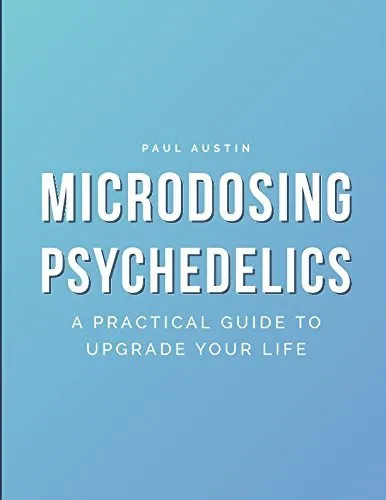
Microdosing Psychedelics
Paul Austin (2018)
A hands-on guide to microdosing protocols for LSD, psilocybin, mescaline, and other substances. Covers scheduling, safety, sourcing, and practical applications for creativity, performance, and well-being.
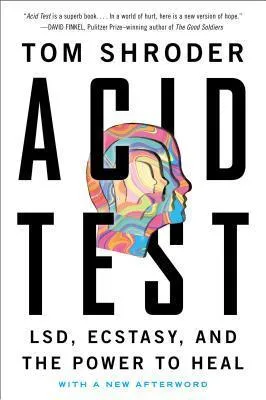
Acid Test
Tom Shroder (2014)
Award-winning Washington Post journalist Tom Shroder tells the story of the psychedelic renaissance through three interconnected lives: Rick Doblin, founder of MAPS; Michael Mithoefer, the psychiatrist pioneering MDMA-assisted therapy; and Nick Blackston, a Marine suffering from severe PTSD. The book traces the arc from LSD's discovery through prohibition to the modern clinical trials that are bringing psychedelics back into medicine.
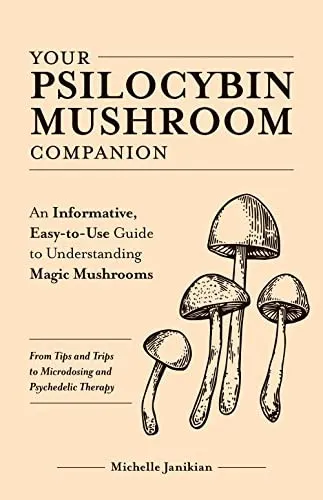
Your Psilocybin Mushroom Companion
Michelle Janikian (2019)
A comprehensive, beginner-friendly guide to psilocybin mushrooms covering everything from planning safe trips and training guides to microdosing protocols and psychedelic therapy. Journalist Michelle Janikian pairs the latest research with practical, step-by-step advice for both newcomers and experienced users, emphasizing harm reduction throughout.
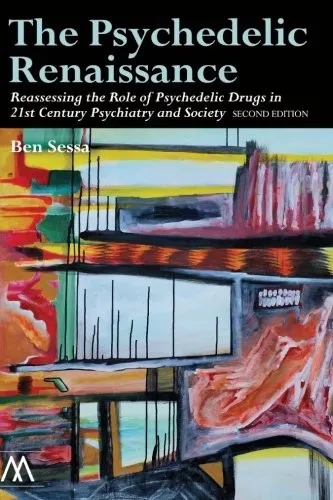
The Psychedelic Renaissance
Ben Sessa (2017)
A psychiatrist and clinical researcher who has personally conducted MDMA and psilocybin therapy trials provides a thorough overview of psychedelic science, history, pharmacology, and clinical potential. Extensively revised for the 2017 second edition, the book surveys every major psychedelic substance and its evidence base for treating psychiatric disorders.
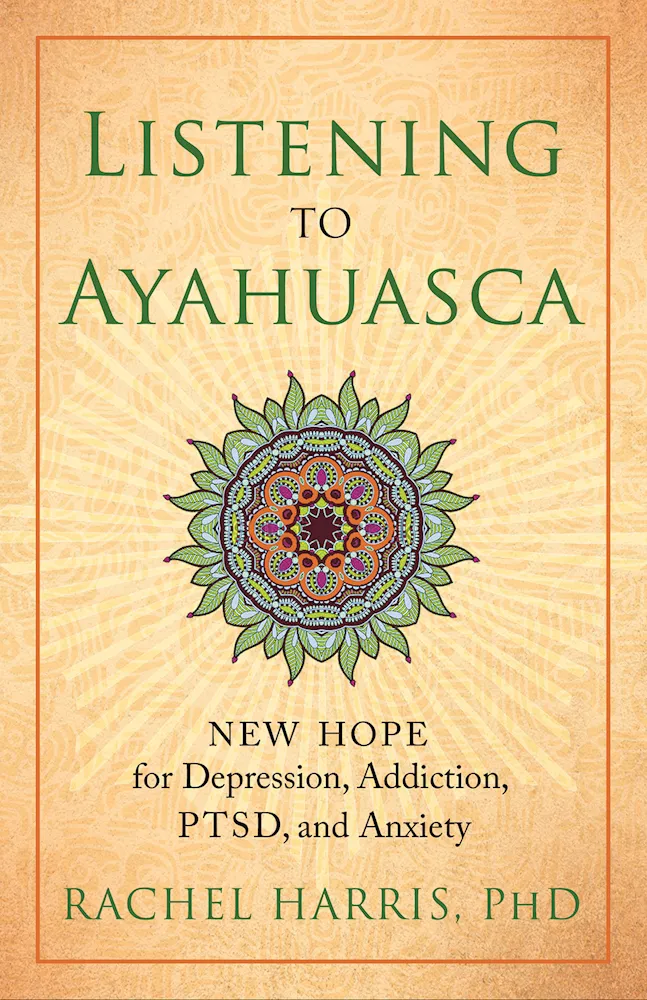
Listening to Ayahuasca
Rachel Harris (2017)
Psychologist Rachel Harris presents the findings of the largest study of ayahuasca use in North America, combined with her own experiences and clinical perspective. The book explores ayahuasca's therapeutic potential for depression, addiction, PTSD, and anxiety while providing practical guidance for those considering the experience, with a strong focus on integration.
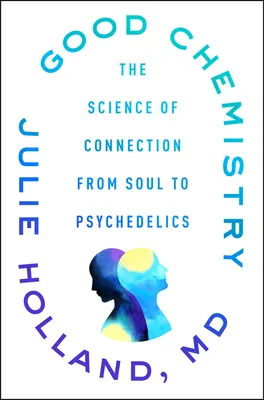
Good Chemistry
Julie Holland (2020)
Psychiatrist and MAPS clinical researcher Julie Holland explores the neuroscience of human connection — why we need it, how modern life undermines it, and how psychedelic medicines can help restore it. The book bridges oxytocin research, attachment theory, and psychedelic pharmacology to make the case that the "chemistry of connection" is the key to both individual healing and collective wellbeing.
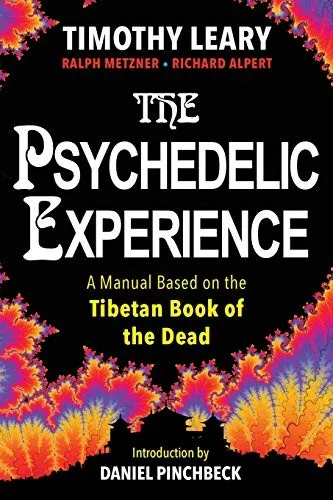
The Psychedelic Experience
Timothy Leary, Ralph Metzner, Richard Alpert (1964)
The foundational manual for navigating psychedelic experiences, reinterpreting the Tibetan Book of the Dead as a framework for ego dissolution, bardo states, and re-entry during LSD and psilocybin sessions. Written by the three Harvard researchers who launched the modern psychedelic movement, it established the concepts of preparation, set and setting, and guided sessions that remain central to all psychedelic practice today.
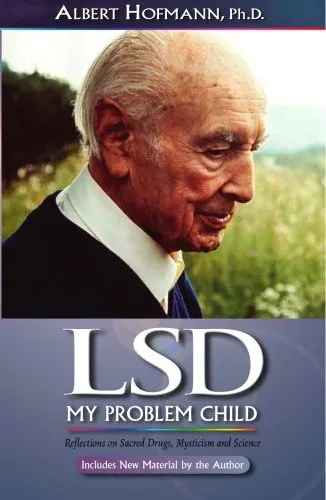
LSD: My Problem Child
Albert Hofmann (1979)
The firsthand account by the chemist who accidentally discovered LSD's psychoactive properties in 1943 — from the legendary "Bicycle Day" first trip to decades of promising psychiatric research and ultimate prohibition. Hofmann also documents his isolation of psilocybin from Mexican sacred mushrooms and his correspondence with Huxley, Leary, Wasson, and Jünger.
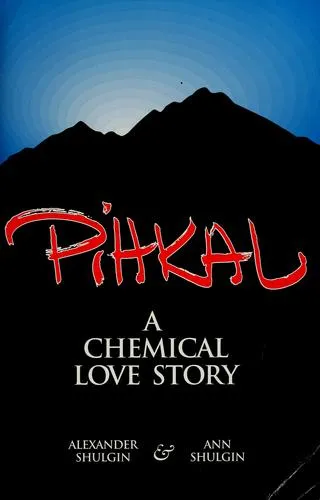
PiHKAL: A Chemical Love Story
Alexander Shulgin, Ann Shulgin (1991)
The most iconic book in psychedelic chemistry — part intimate love story memoir, part encyclopedic reference documenting 179 phenethylamine compounds with synthesis routes, precise dosage ranges, durations, and first-person experience reports. Written by Alexander "Sasha" Shulgin, who personally synthesized and bioassayed over 230 novel psychoactive compounds including popularizing MDMA for psychotherapy.
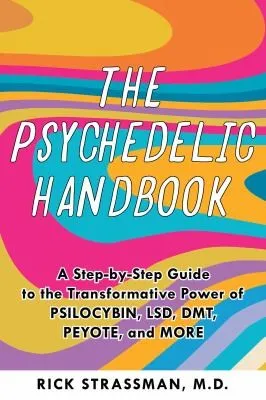
The Psychedelic Handbook
Rick Strassman (2022)
A comprehensive, evidence-based practical guide covering nine psychedelic substance classes — psilocybin, LSD, DMT/ayahuasca, mescaline, ketamine, MDMA, ibogaine, 5-MeO-DMT, and Salvia divinorum — written by the clinical researcher who conducted the first FDA-approved psychedelic study in a generation. Each chapter addresses pharmacology, therapeutic potential, safe use guidelines, microdosing, and recognition of adverse reactions.
Important Legal Notice
⚠️ Personal Responsibility
You use this application entirely at your own risk and responsibility. MicrodosingDiary is only a tool for recording personal experiences.
🚫 Not a Medical Service
This application IS NOT a medical tool, does not provide medical advice, does not diagnose or treat any conditions. Always consult a qualified physician.
⚖️ Legislation and Laws
Many substances used for microdosing are illegal in many countries. Users are fully responsible for complying with local laws. The application does not support or promote illegal activity.
❌ No Guarantees
We provide no guarantees regarding results, safety or efficacy of microdosing. All information is for informational purposes only.
🔞 Age Restriction
Application is intended only for persons over 18 years of age. By using the application you confirm that you are an adult.
🔒 Data Privacy
Your diary entries are private and encrypted. The application is for personal use. Public-page analytics is described in Privacy and Terms.
By using this application you accept all the above risks and waive any claims against the application operator.