Intuitive Protocol
The Flexible Schedule - Listen to Your Body
On this page
The Intuitive Protocol is a flexible, self-directed approach to microdosing that emphasizes listening to your body and mind rather than following a fixed schedule. While this protocol suggests a general pattern (dosing every other day with occasional double rest days), the key principle is dosing only when it feels right.
This approach requires more self-awareness and experience with microdosing. You learn to recognize when you would benefit from a dose versus when your body needs rest. Many experienced microdosers eventually transition to an intuitive protocol after months of structured scheduling.
The Intuitive Protocol respects individual variation in metabolism, lifestyle, and goals. It acknowledges that your needs may change based on stress levels, workload, sleep quality, and life circumstances. While less predictable than fixed schedules, it can lead to more personalized and sustainable microdosing practices.
📅 Schedule Overview
Dose on day 1, 3, 5, rest on days 2, 4, 6, 7, 7-day cycle
✨ Benefits
Body Awareness
Learn to recognize when you truly need a dose
Maximum Flexibility
Adapt to changing life circumstances and needs
Personalized
Create your own perfect rhythm over time
Sustainable
Long-term approach that evolves with you
💡 Important Considerations
Who should try intuitive dosing?
Best for experienced microdosers who have completed structured protocols and developed self-awareness. Not recommended for beginners.
What does "intuitive" mean?
Dose when you feel it would be beneficial, not out of habit. Consider stress, sleep, workload, and how you felt on previous doses.
How to avoid tolerance?
Maintain at least 1 day between doses. If effects diminish, take a 5-7 day break regardless of intuition.
How to start intuitive dosing?
Begin with a structured protocol for 2-3 months, then gradually transition to intuitive dosing while tracking results.
Can structure return?
Absolutely! Many people alternate between structured and intuitive protocols based on life phases.
🎯 Best For
Ideal for experienced microdosers who have completed at least 2-3 months of structured protocols. Perfect for those who value flexibility and have developed strong body awareness. Great for people with variable schedules or those transitioning to long-term, sustainable microdosing.
Recommended Books
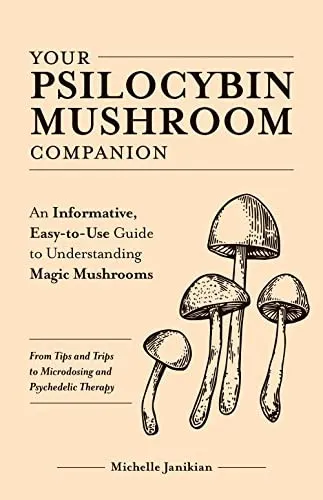
Your Psilocybin Mushroom Companion
Michelle Janikian (2019)
A comprehensive, beginner-friendly guide to psilocybin mushrooms covering everything from planning safe trips and training guides to microdosing protocols and psychedelic therapy. Journalist Michelle Janikian pairs the latest research with practical, step-by-step advice for both newcomers and experienced users, emphasizing harm reduction throughout.
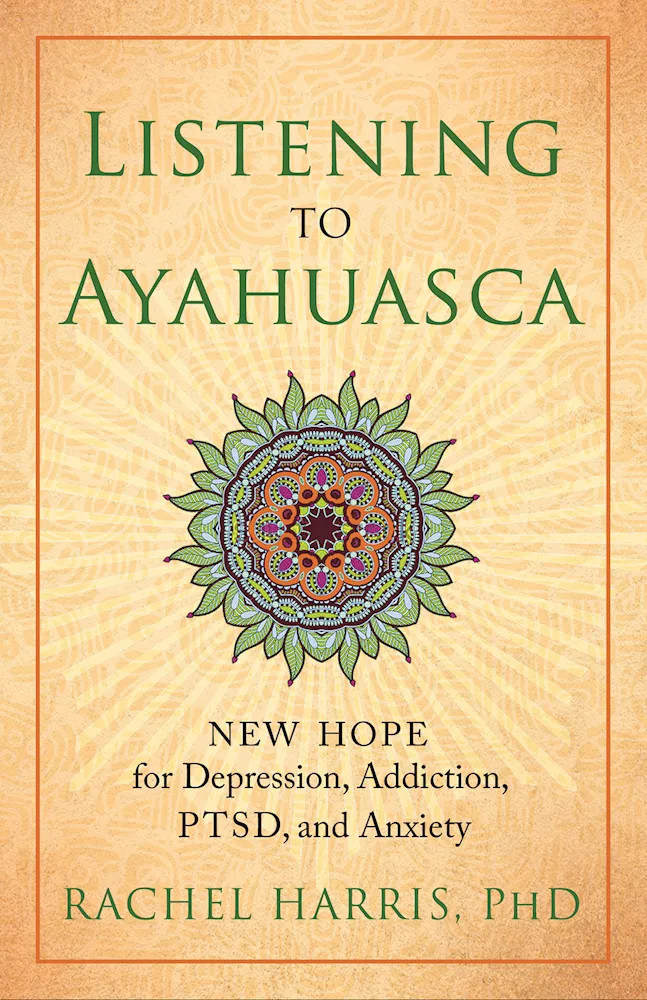
Listening to Ayahuasca
Rachel Harris (2017)
Psychologist Rachel Harris presents the findings of the largest study of ayahuasca use in North America, combined with her own experiences and clinical perspective. The book explores ayahuasca's therapeutic potential for depression, addiction, PTSD, and anxiety while providing practical guidance for those considering the experience, with a strong focus on integration.
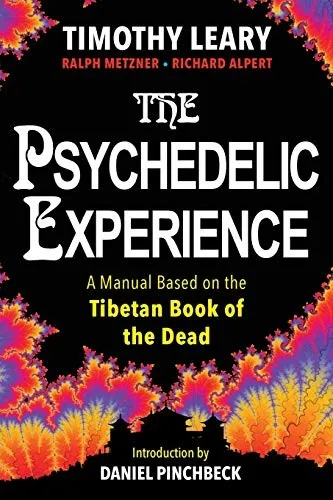
The Psychedelic Experience
Timothy Leary, Ralph Metzner, Richard Alpert (1964)
The foundational manual for navigating psychedelic experiences, reinterpreting the Tibetan Book of the Dead as a framework for ego dissolution, bardo states, and re-entry during LSD and psilocybin sessions. Written by the three Harvard researchers who launched the modern psychedelic movement, it established the concepts of preparation, set and setting, and guided sessions that remain central to all psychedelic practice today.
Drug, Set, and Setting
Norman E. Zinberg (1984)
The foundational academic text on controlled drug use, written by Harvard psychiatrist Norman Zinberg, which established the theoretical framework that drug outcomes are determined not just by pharmacology ("drug") but equally by the user's mindset ("set") and their social and physical environment ("setting"). This book provided the scientific basis for the harm-reduction approach that now underpins all responsible psychedelic practice, including microdosing protocols.
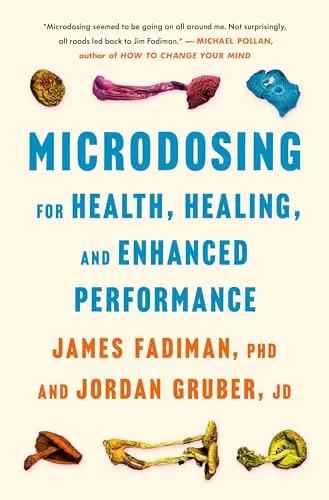
Microdosing for Health, Healing, and Enhanced Performance
James Fadiman, Jordan Gruber (2025)
The long-awaited follow-up to The Psychedelic Explorer's Guide, written by the man whose name is on the most widely used microdosing protocol. Fadiman and Gruber distil over a decade of self-reports from thousands of microdosers, alongside the latest clinical research, into the most complete book on the practice to date.
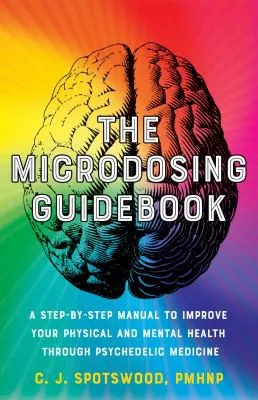
The Microdosing Guidebook
C. J. Spotswood (2022)
A hands-on workbook on microdosing written by a psychiatric nurse practitioner with two decades of clinical experience. Spotswood combines a plain-language summary of the research with worksheets, intention-setting exercises and a guided journal for tracking your own protocol.
Important Legal Notice
⚠️ Personal Responsibility
You use this application entirely at your own risk and responsibility. MicrodosingDiary is only a tool for recording personal experiences.
🚫 Not a Medical Service
This application IS NOT a medical tool, does not provide medical advice, does not diagnose or treat any conditions. Always consult a qualified physician.
⚖️ Legislation and Laws
Many substances used for microdosing are illegal in many countries. Users are fully responsible for complying with local laws. The application does not support or promote illegal activity.
❌ No Guarantees
We provide no guarantees regarding results, safety or efficacy of microdosing. All information is for informational purposes only.
🔞 Age Restriction
Application is intended only for persons over 18 years of age. By using the application you confirm that you are an adult.
🔒 Data Privacy
Your diary entries are private and encrypted. The application is for personal use. Public-page analytics is described in Privacy and Terms.
By using this application you accept all the above risks and waive any claims against the application operator.