Trip Sitter
What is a trip sitter?
A trip sitter (also called a guide, companion, or sitter) is a sober individual who stays with someone during a psychedelic experience to provide:
- Physical safety — ensuring the person doesn't harm themselves or encounter dangerous situations
- Emotional support — offering reassurance during challenging moments
- Grounding — helping the person stay connected to reality when needed
- Practical assistance — managing logistics (water, temperature, music, bathroom)
- Non-judgmental presence — simply being there, without trying to direct or control the experience
The concept originates from harm reduction practice and has been formalized in psychedelic-assisted therapy as the "therapist" or "guide" role.
Why it matters for microdosing
While a trip sitter is not typically needed for microdosing (since effects are sub-perceptual), the concept is relevant for several reasons:
- Dose miscalculation — if a dose turns out to be higher than intended, knowing someone you can call is important
- First-time dosing — during initial titration, having someone aware of what you're doing provides a safety net
- Higher-dose exploration — many microdosers eventually explore higher doses, where a sitter becomes essential
- Community building — learning to sit for others builds trust, deepens understanding, and strengthens the microdosing community
- Emergency preparation — knowing who to contact if something goes wrong is always important
How it works in practice
What a good trip sitter does:
- Stays sober — this is non-negotiable
- Stays present — available but not intrusive
- Follows the experiencer's lead — doesn't impose their agenda
- Provides reassurance — "You're safe. This will pass. I'm here."
- Manages the environment — adjusts music, lighting, temperature as needed
- Knows when to seek help — recognizes signs that professional medical attention is needed
What a good trip sitter does NOT do:
- Interrogate the person about their experience
- Try to "guide" or direct the experience
- Become anxious or panicked themselves
- Leave the person alone in a vulnerable state
- Take psychedelics at the same time
What to watch out for
- Untrained sitters — good intentions aren't enough; basic knowledge of psychedelic experiences and emergency protocols is essential
- Power dynamics — the person having the experience is in a vulnerable state; sitters must be trustworthy and ethical
- Reciprocity — in community settings, sitting for each other builds mutual trust and experience
- Professional vs. peer — for therapeutic use or high-dose experiences, trained facilitators are preferable to well-meaning friends
Related Terms
Recommended Books
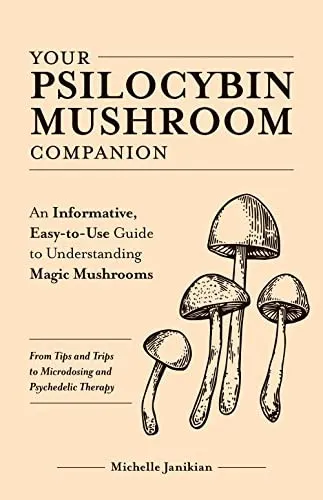
Your Psilocybin Mushroom Companion
Michelle Janikian (2019)
A comprehensive, beginner-friendly guide to psilocybin mushrooms covering everything from planning safe trips and training guides to microdosing protocols and psychedelic therapy. Journalist Michelle Janikian pairs the latest research with practical, step-by-step advice for both newcomers and experienced users, emphasizing harm reduction throughout.
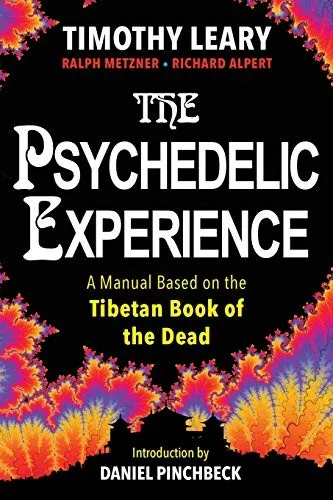
The Psychedelic Experience
Timothy Leary, Ralph Metzner, Richard Alpert (1964)
The foundational manual for navigating psychedelic experiences, reinterpreting the Tibetan Book of the Dead as a framework for ego dissolution, bardo states, and re-entry during LSD and psilocybin sessions. Written by the three Harvard researchers who launched the modern psychedelic movement, it established the concepts of preparation, set and setting, and guided sessions that remain central to all psychedelic practice today.