Harm Reduction
What is harm reduction?
Harm reduction is a pragmatic, evidence-based approach to substance use that focuses on minimizing negative consequences rather than demanding abstinence. It acknowledges that people use substances and seeks to make that use as safe as possible.
In the microdosing context, harm reduction means taking every reasonable precaution to ensure your practice is physically safe, psychologically healthy, and well-informed.
Core principles
- Informed consent — Know what you're taking, how it works, and what the risks are
- Start low, go slow — Begin with the lowest reasonable dose and increase gradually
- Test your substances — Use reagent kits to verify identity and purity
- Know your contraindications — Understand which conditions and medications are incompatible
- Follow a protocol — Structured schedules with rest days prevent tolerance and overuse
- Track your experience — Data-driven practice catches problems early
- Have a support system — Don't practice in complete isolation
- Respect the substance — Even sub-perceptual doses deserve careful, intentional use
Harm reduction checklist for microdosers
Before starting
- [ ] Research your substance — understand pharmacology, effects, risks
- [ ] Check contraindications — family/personal history of psychosis, bipolar disorder
- [ ] Review medications — SSRIs, MAOIs, lithium, antipsychotics
- [ ] Reagent test your substance (Ehrlich for tryptamines, Marquis for broader screening)
- [ ] Establish a baseline — 1–2 weeks of tracking before first dose
- [ ] Choose a protocol — decide on schedule before starting
- [ ] Prepare your doses — use volumetric dosing or homogenized capsules for consistency
- [ ] Inform someone — at least one trusted person should know what you're doing
During your protocol
- [ ] Track daily — mood, energy, focus, sleep, any unusual experiences
- [ ] Follow the schedule — don't skip rest days
- [ ] Don't increase dose without careful titration
- [ ] No combining with alcohol, cannabis, or other substances on dose days (at minimum)
- [ ] Be honest in your self-assessment — don't rationalize away negative effects
- [ ] Stop if needed — if you experience persistent negative effects, pause the protocol
Red flags to watch for
- Increasing anxiety or paranoia that doesn't resolve on off-days
- Sleep disruption persisting beyond the first week
- Emotional instability or mood swings
- Difficulty functioning at work or in relationships
- Urge to increase dose frequently
- Feeling dependent on dose days
- Any symptoms of serotonin syndrome (tremor, agitation, rapid heart rate, high temperature)
Specific harm reduction practices
Reagent testing
Before consuming any substance:
- Ehrlich reagent — turns purple in presence of tryptamines (psilocybin, LSD). No reaction suggests the substance isn't what it claims to be.
- Marquis reagent — broader screening that produces different colors for different substance classes
- Mecke reagent — additional confirmation
Important: Reagent tests confirm the presence of a substance class but cannot verify purity or exact concentration.
Contraindication awareness
Absolute contraindications (do NOT microdose):
- Personal history of psychotic disorders (schizophrenia, schizoaffective)
- Family history of psychotic disorders (first-degree relatives)
- Current use of lithium
- Pregnancy or breastfeeding
Relative contraindications (consult a professional):
- Bipolar disorder
- Severe anxiety disorders
- Current SSRI or MAOI use
- Heart conditions
- Seizure disorders
Responsible sourcing
- Know your source — reliability and consistency matter
- Single-source per protocol — don't switch mid-cycle
- Homogenize natural materials — critical for consistent dosing
- Store properly — cool, dark, dry, with desiccant
The broader harm reduction philosophy
Harm reduction isn't just about physical safety — it extends to:
- Psychological safety — maintaining honest self-assessment, not using microdosing to avoid dealing with underlying issues
- Social safety — being aware of legal risks, having trusted support
- Financial safety — not spending beyond your means on substances or related products
- Informational safety — relying on evidence-based sources, not hype or marketing
Related Terms
Recommended Books
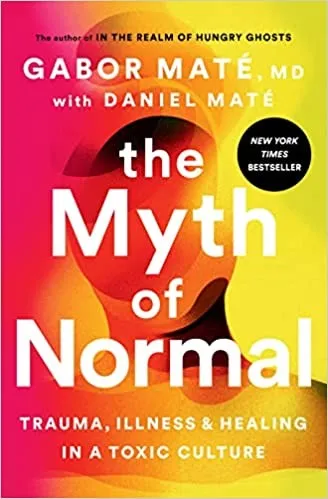
The Myth of Normal
Gabor Maté (2022)
Gabor Maté's most ambitious work investigates why chronic illness, mental health disorders, and addiction are soaring in Western societies. Drawing on four decades of clinical experience, he connects individual suffering to the toxic culture of modern life and provides a compassionate framework for healing.
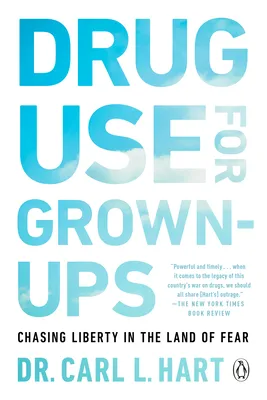
Drug Use for Grown-Ups
Carl L. Hart (2021)
Columbia University professor Carl Hart argues from decades of pharmacological research that the criminalization of drugs — not drugs themselves — causes the greatest harm. A provocative, evidence-based case for responsible adult drug use and rational drug policy.
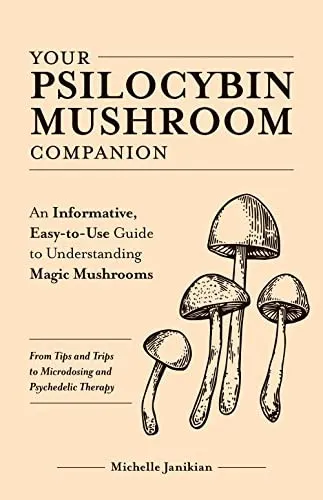
Your Psilocybin Mushroom Companion
Michelle Janikian (2019)
A comprehensive, beginner-friendly guide to psilocybin mushrooms covering everything from planning safe trips and training guides to microdosing protocols and psychedelic therapy. Journalist Michelle Janikian pairs the latest research with practical, step-by-step advice for both newcomers and experienced users, emphasizing harm reduction throughout.
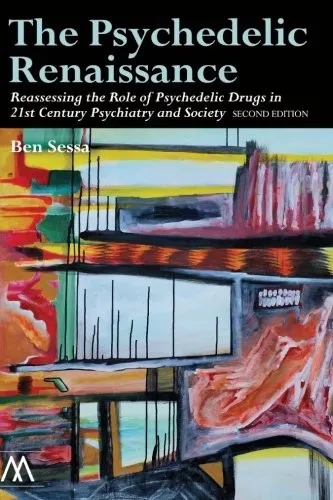
The Psychedelic Renaissance
Ben Sessa (2017)
A psychiatrist and clinical researcher who has personally conducted MDMA and psilocybin therapy trials provides a thorough overview of psychedelic science, history, pharmacology, and clinical potential. Extensively revised for the 2017 second edition, the book surveys every major psychedelic substance and its evidence base for treating psychiatric disorders.
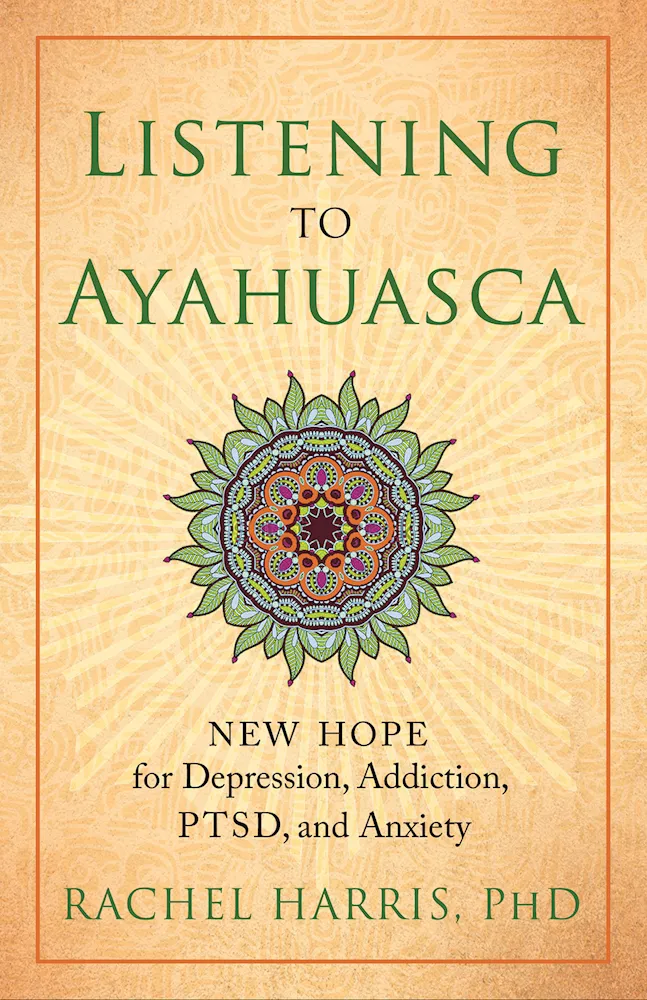
Listening to Ayahuasca
Rachel Harris (2017)
Psychologist Rachel Harris presents the findings of the largest study of ayahuasca use in North America, combined with her own experiences and clinical perspective. The book explores ayahuasca's therapeutic potential for depression, addiction, PTSD, and anxiety while providing practical guidance for those considering the experience, with a strong focus on integration.

PiHKAL: A Chemical Love Story
Alexander Shulgin, Ann Shulgin (1991)
The most iconic book in psychedelic chemistry — part intimate love story memoir, part encyclopedic reference documenting 179 phenethylamine compounds with synthesis routes, precise dosage ranges, durations, and first-person experience reports. Written by Alexander "Sasha" Shulgin, who personally synthesized and bioassayed over 230 novel psychoactive compounds including popularizing MDMA for psychotherapy.