Integration Circle
What is an integration circle?
An integration circle is a structured group setting where people come together to share, process, and make meaning of their psychedelic and microdosing experiences. Think of it as a support group specifically designed for the unique challenges and insights that psychedelic work brings up.
Integration circles are typically:
- Facilitated by a trained professional (therapist, counselor, or experienced facilitator)
- Confidential — what's shared stays in the circle
- Non-judgmental — no hierarchy of experiences; all are valid
- Substance-free — participants are sober during the circle
- Regular — often meeting weekly, biweekly, or monthly
Why integration circles matter
1. Microdosing can be isolating
Because psychedelics remain stigmatized and often illegal, many microdosers practice in secrecy. Having a dedicated space to openly discuss your experience reduces isolation and normalizes the practice.
2. Others see what you can't
Insights that feel confusing or insignificant to you may be immediately recognizable to others in the circle. Group reflection provides perspectives you can't generate alone.
3. Accountability and structure
Regular circles provide external structure for your integration practice. Knowing you'll share your experience with others motivates more careful observation and reflection.
4. Normalization of difficulty
Microdosing isn't always positive. Challenging emotions, anxiety, and confusing experiences are common. A circle normalizes these experiences and provides strategies for working with them.
5. Community and belonging
The sense of connectedness that many microdosers report extends naturally to community. Integration circles foster genuine connection around shared experience.
What happens in an integration circle?
Typical structure (90–120 minutes)
- Opening (10 min) — Facilitator sets intentions, reviews guidelines, leads a brief grounding exercise
- Check-in round (20 min) — Each participant briefly shares how they're doing and what's present for them
- Sharing round (40–60 min) — Deeper sharing about experiences, insights, challenges. One person speaks at a time.
- Reflection round (20 min) — Participants offer observations, resonances, and support to each other
- Closing (10 min) — Facilitator summarizes themes, participants share one takeaway, closing ritual
Circle guidelines (common)
- Speak from personal experience — "I" statements, not advice
- Listen without fixing — presence is more valuable than solutions
- Confidentiality — names and stories stay in the circle
- No cross-talk during sharing — wait until the reflection round
- Right to pass — no one is required to share
- No substance use during circle — clear-headed participation
Types of integration circles
General psychedelic integration
Open to all types of psychedelic experience, including macrodoses, microdoses, and ceremonial use. Broad scope.
Microdosing-specific
Focused specifically on the microdosing practice — protocols, dose calibration, tracking, and the subtle effects unique to sub-perceptual dosing.
Therapeutic / clinical
Led by licensed therapists within a clinical framework. May integrate standard therapeutic techniques with psychedelic-specific processing.
Peer-led
Organized and facilitated by experienced community members rather than professionals. Lower barrier to entry, but less clinical support.
Online / virtual
Remote circles via video call. More accessible geographically but may lack the somatic and energetic quality of in-person gatherings.
How to find an integration circle
- MAPS (Multidisciplinary Association for Psychedelic Studies) — maintains a directory of integration professionals and groups
- Psychedelic.Support — global directory of therapists and circles
- Local psychedelic societies — many cities now have active communities
- Meetup.com — search for psychedelic integration or harm reduction groups
- Your therapist or coach — may know of local resources
Related Terms
Recommended Books
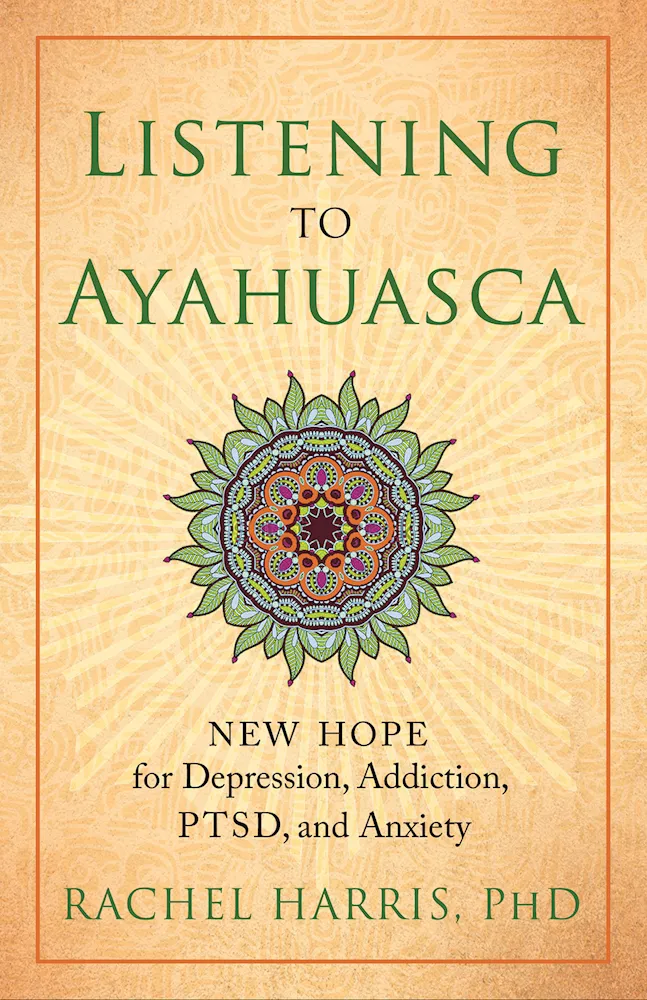
Listening to Ayahuasca
Rachel Harris (2017)
Psychologist Rachel Harris presents the findings of the largest study of ayahuasca use in North America, combined with her own experiences and clinical perspective. The book explores ayahuasca's therapeutic potential for depression, addiction, PTSD, and anxiety while providing practical guidance for those considering the experience, with a strong focus on integration.
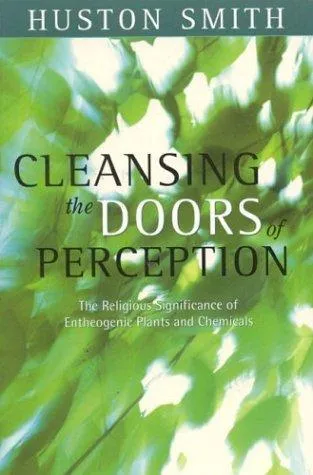
Cleansing the Doors of Perception
Huston Smith (2000)
The definitive scholarly treatment of whether psychedelic experiences qualify as authentically religious, written by the 20th century's foremost authority on comparative religion. Drawing on his personal participation in the 1962 Good Friday Experiment, his friendship with Aldous Huxley, and four decades of studying the world's spiritual traditions, Smith concludes that entheogens can trigger genuine mystical experiences but cannot by themselves produce religious lives — integration is where the real work begins.
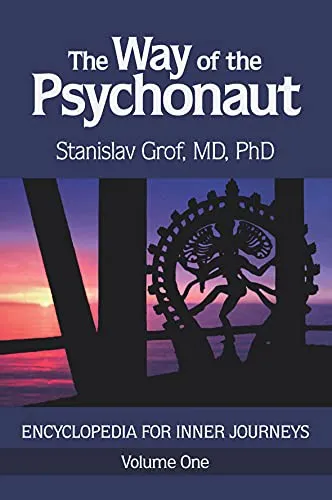
The Way of the Psychonaut
Stanislav Grof (2019)
Written in his late eighties, this is Stanislav Grof's magnum opus — a comprehensive synthesis of over sixty years of consciousness research through psychedelic-assisted therapy and Holotropic Breathwork. Volume One covers maps of the psyche, the architecture of emotional disorders, perinatal matrices, spiritual emergency, and a fundamental revision of depth psychology based on non-ordinary states of consciousness.