Ego Dissolution
What is ego dissolution?
Ego dissolution (also called ego death or ego loss) refers to the temporary diminishment or complete loss of the subjective sense of self — the feeling of being a separate "I" distinct from the rest of the world. It is one of the most profound and frequently reported effects of psychedelic experiences at higher doses.
Neuroscientifically, ego dissolution is associated with:
- Decreased activity in the Default Mode Network (DMN) — the brain network responsible for self-referential thinking
- Increased global brain connectivity — brain regions that don't normally communicate begin to interact
- Temporary loss of predictive processing hierarchies — the brain's usual model of "self vs. world" becomes fluid
The experience can range from a gentle loosening of self-boundaries to a complete dissolution of personal identity, often accompanied by feelings of oceanic boundlessness, cosmic unity, or timelessness.
Why it matters for microdosing
At true microdose levels, full ego dissolution should not occur. However, understanding this concept matters because:
- Spectrum awareness — microdosers may occasionally take slightly higher doses and experience mild ego-softening
- Therapeutic mechanism — research suggests that even subtle reductions in DMN rigidity (which microdosing may facilitate) contribute to therapeutic benefits like reduced rumination
- Integration context — many people who microdose also have experience with higher doses; understanding ego dissolution helps integrate those experiences
- Dosing calibration — if you experience anything resembling ego dissolution, your dose is likely too high for microdosing
What to watch out for
- Dose accuracy — ego-softening effects at what should be a microdose suggest the dose is too high or the material is more potent than expected
- Romanticization — ego dissolution is often idealized in psychedelic culture, but it can be terrifying without proper preparation
- Not a goal of microdosing — the purpose of microdosing is sub-perceptual enhancement, not mystical experience
- Vulnerability — even mild ego-softening can increase emotional openness; ensure safe settings
Related Terms
Recommended Books
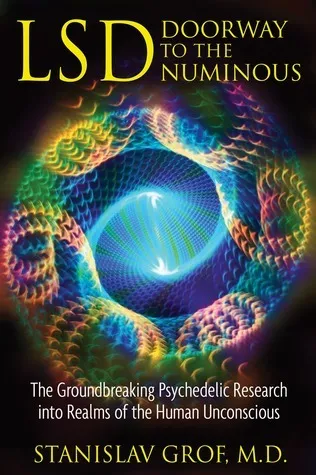
LSD: Doorway to the Numinous
Stanislav Grof (1975)
Based on approximately 2,500 clinical LSD sessions over 17 years, Stanislav Grof maps three domains of the human unconscious — the psychodynamic, the perinatal, and the transpersonal — demonstrating how LSD acts as a nonspecific amplifier of unconscious processes.
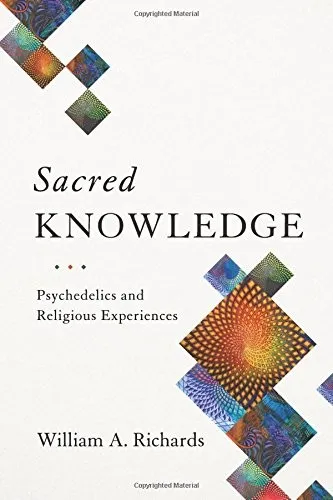
Sacred Knowledge
William A. Richards (2015)
Drawing on nearly three decades of legal psychedelic research at Johns Hopkins, Bill Richards bridges neuroscience, clinical psychology, theology, and mystical experience in the most sophisticated account of psychedelic spirituality available.
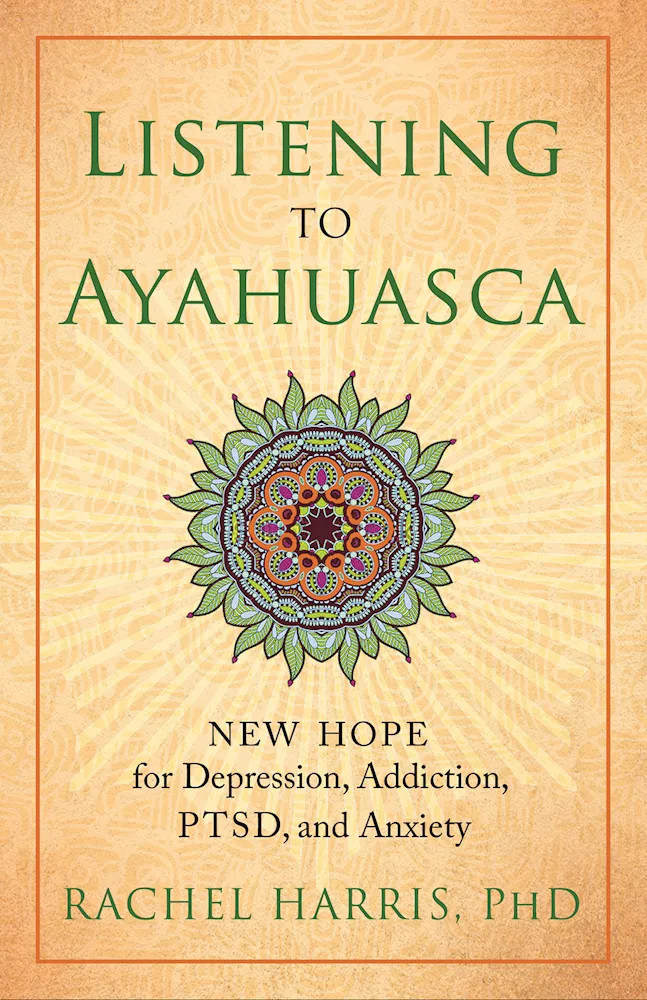
Listening to Ayahuasca
Rachel Harris (2017)
Psychologist Rachel Harris presents the findings of the largest study of ayahuasca use in North America, combined with her own experiences and clinical perspective. The book explores ayahuasca's therapeutic potential for depression, addiction, PTSD, and anxiety while providing practical guidance for those considering the experience, with a strong focus on integration.
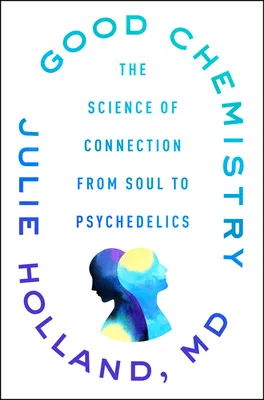
Good Chemistry
Julie Holland (2020)
Psychiatrist and MAPS clinical researcher Julie Holland explores the neuroscience of human connection — why we need it, how modern life undermines it, and how psychedelic medicines can help restore it. The book bridges oxytocin research, attachment theory, and psychedelic pharmacology to make the case that the "chemistry of connection" is the key to both individual healing and collective wellbeing.
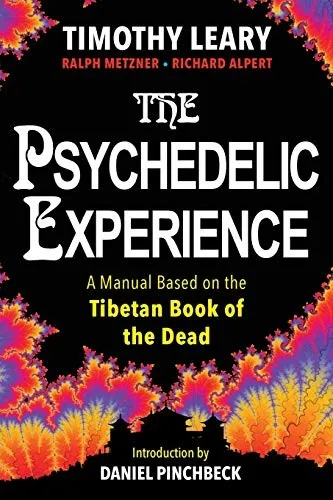
The Psychedelic Experience
Timothy Leary, Ralph Metzner, Richard Alpert (1964)
The foundational manual for navigating psychedelic experiences, reinterpreting the Tibetan Book of the Dead as a framework for ego dissolution, bardo states, and re-entry during LSD and psilocybin sessions. Written by the three Harvard researchers who launched the modern psychedelic movement, it established the concepts of preparation, set and setting, and guided sessions that remain central to all psychedelic practice today.
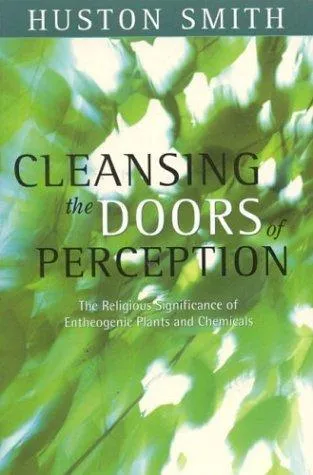
Cleansing the Doors of Perception
Huston Smith (2000)
The definitive scholarly treatment of whether psychedelic experiences qualify as authentically religious, written by the 20th century's foremost authority on comparative religion. Drawing on his personal participation in the 1962 Good Friday Experiment, his friendship with Aldous Huxley, and four decades of studying the world's spiritual traditions, Smith concludes that entheogens can trigger genuine mystical experiences but cannot by themselves produce religious lives — integration is where the real work begins.