Set and Setting
What is set and setting?
"Set and setting" is arguably the most important concept in all of psychedelic use. Coined and popularized by Timothy Leary in the 1960s (and later refined by researchers like James Fadiman), it describes the two factors that most powerfully shape the quality, safety, and outcome of a psychedelic experience:
- Set (mindset): Your internal state — mood, expectations, fears, hopes, mental health, personality, intentions, and psychological readiness
- Setting (environment): Your external context — physical location, social company, music, lighting, time of day, cultural context, and the presence (or absence) of a guide or sitter
While set and setting are most critical for macrodose experiences, they also meaningfully influence microdosing outcomes.
Set: Your internal landscape
What shapes your "set":
- Current mood — Are you anxious, calm, excited, depressed?
- Expectations — What do you believe microdosing will do for you?
- Intentions — Have you set a clear purpose for this session?
- Mental health history — Do you have any conditions that could interact?
- Recent life events — Stress, grief, conflict, or celebration
- Sleep and physical health — Fatigue and illness affect your state
- Relationship with the substance — Curiosity vs. fear vs. desperation
How set affects microdosing:
Even at sub-perceptual doses, psychedelics appear to amplify your existing mental state. If you're anxious, a microdose might increase that anxiety. If you're calm and open, it might deepen that calm.
This is why intention-setting is so valuable — it primes your mindset in a constructive direction before the dose takes effect.
Setting: Your external world
What shapes your "setting":
- Physical environment — Is it familiar, safe, comfortable?
- Social context — Who are you with? Are they supportive?
- Schedule — Do you have demanding obligations or a relaxed day?
- Nature access — Many microdosers report enhanced effects in nature
- Music — What you listen to can subtly shape your experience
- Digital environment — Doom-scrolling on a dose day is different from a walk in the park
How setting affects microdosing:
While setting is less critical for microdosing than macrodosing (you're functioning normally, after all), it still matters:
- Stressful environments can override or obscure the subtle benefits of a microdose
- Natural settings tend to amplify the sense of connectedness and presence
- Creative environments can enhance the creative benefits
- High-pressure work may feel either enhanced (better focus) or more stressful (heightened sensitivity)
Set and setting for microdosing: practical guide
Before your first microdose
- [ ] Check your mental health — avoid microdosing during acute crises
- [ ] Set a clear intention for the protocol (not just the day)
- [ ] Ensure your home and work environments feel stable
- [ ] Clear your first dose day of high-stakes meetings or driving if possible
- [ ] Have a trusted person you can reach if you feel uncomfortable
Before each on-day
- [ ] Brief morning check-in: How do I feel? What's my intention today?
- [ ] Ensure you've slept adequately
- [ ] Plan your day with some flexibility
- [ ] Minimize unnecessary stressors where possible
Optimizing your setting
- Early doses: Keep your first few on-days in familiar, low-stakes environments until you know how you respond
- Nature time: If possible, spend time outdoors on dose days
- Music: Create a playlist that supports your intention (focus music for work days, ambient music for creative days)
- Social awareness: Notice how different social contexts affect your experience
The research behind set and setting
Research has consistently shown that set and setting are stronger predictors of psychedelic experience quality than dose alone:
- Hartogsohn (2016): Comprehensive review showing set and setting as the primary determinants of psychedelic outcomes
- Carhart-Harris et al. (2018): Context and expectations significantly predicted therapeutic outcomes in psilocybin trials
- Johnson et al. (2008): Guidelines emphasizing environmental factors as essential safety parameters
Related Terms
Recommended Books
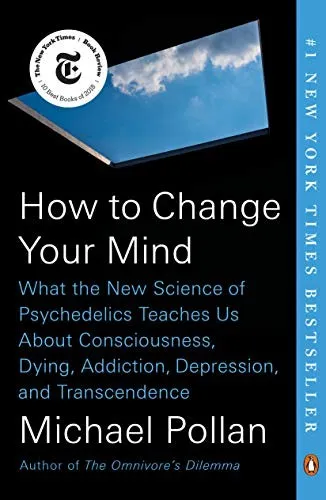
How to Change Your Mind
Michael Pollan (2018)
A groundbreaking exploration of the renaissance in psychedelic research. Michael Pollan takes readers on a journey through the history, science, and personal experience of psychedelic substances.
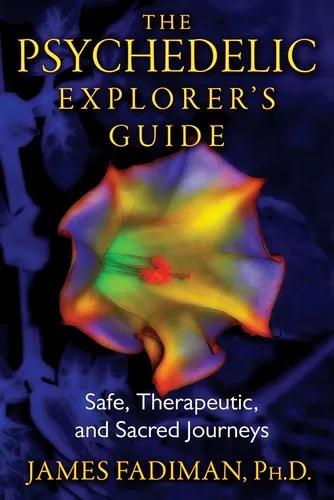
The Psychedelic Explorer's Guide
James Fadiman (2011)
The definitive handbook for safe psychedelic use. James Fadiman distills decades of research and thousands of session reports into practical guidance covering microdosing, therapeutic sessions, and high-dose experiences.
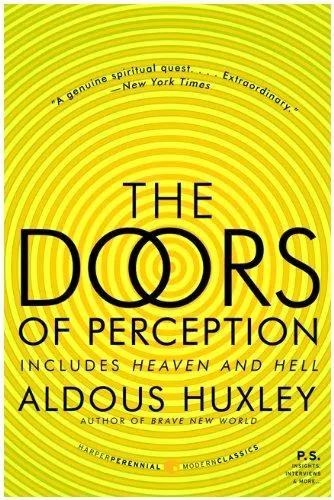
The Doors of Perception
Aldous Huxley (1954)
A seminal essay in which Aldous Huxley recounts his first experience with mescaline in 1953, exploring how the drug dissolves the brain's filtering mechanisms and opens the mind to a richer, unmediated perception of reality.
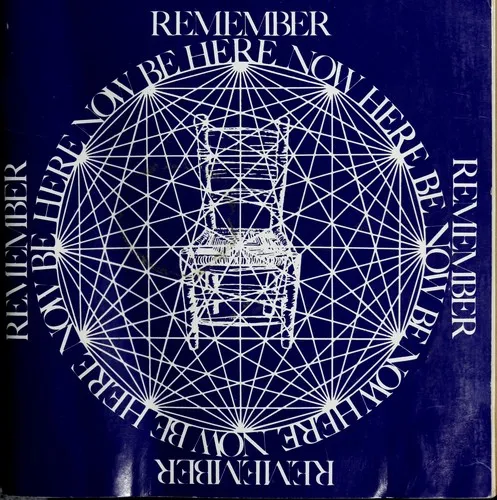
Be Here Now
Ram Dass (1971)
The foundational countercultural classic in which Richard Alpert — Harvard psychologist turned spiritual teacher Ram Dass — traces his journey from psychedelic experimentation to Eastern spiritual practice, offering a roadmap for integrating transcendent experience into everyday life.
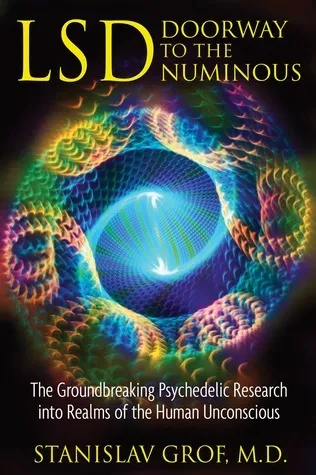
LSD: Doorway to the Numinous
Stanislav Grof (1975)
Based on approximately 2,500 clinical LSD sessions over 17 years, Stanislav Grof maps three domains of the human unconscious — the psychodynamic, the perinatal, and the transpersonal — demonstrating how LSD acts as a nonspecific amplifier of unconscious processes.
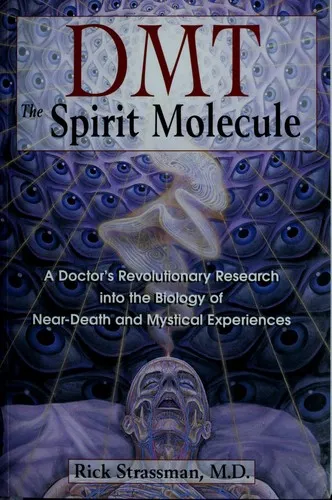
DMT: The Spirit Molecule
Rick Strassman (2001)
Rick Strassman documents the first U.S. government-approved clinical research with a psychedelic substance in over 20 years, administering approximately 400 doses of DMT to 60 volunteers at the University of New Mexico between 1990 and 1995.