Psychedelic-Assisted Therapy
What is psychedelic-assisted therapy?
Psychedelic-assisted therapy (PAT) is a clinical treatment model that uses psychedelic substances as a catalyst within a broader therapeutic framework. Unlike recreational use or self-directed microdosing, PAT involves:
- Professional guidance — trained therapists guide the experience
- Preparation sessions — therapeutic sessions before the psychedelic experience to establish rapport, set intentions, and prepare the participant
- Dosing session — the psychedelic experience itself, conducted in a controlled, comfortable setting with therapist support
- Integration sessions — follow-up therapeutic sessions to process and integrate insights from the experience
The model typically uses full (macro) doses rather than microdoses, though some emerging protocols explore sub-threshold approaches.
Substances in clinical development:
- Psilocybin — Phase II/III trials for depression, end-of-life anxiety, addiction, OCD
- MDMA — Phase III trials for PTSD (FDA Breakthrough Therapy designation)
- LSD — Phase II trials for anxiety, depression
- Ketamine — already legally available for treatment-resistant depression (esketamine/Spravato)
Why it matters for microdosing
PAT and microdosing exist on the same spectrum of psychedelic use for well-being:
- Complementary approaches — some people begin with microdosing and later explore PAT, or use microdosing as maintenance between PAT sessions
- Shared principles — preparation, set and setting, and integration are equally important in both approaches
- Research spillover — PAT clinical trials generate knowledge that informs microdosing practice
- Legitimization — the success of PAT in clinical trials is driving broader acceptance of psychedelic medicine, benefiting the microdosing community
- Professional support — understanding PAT helps microdosers know when professional guidance might be more appropriate than self-directed practice
What to watch out for
- DIY ≠ clinical — self-directed microdosing lacks the safety net of professional therapeutic support
- When to seek professional help — if you're dealing with serious mental health conditions (PTSD, severe depression, addiction), PAT with professional support is more appropriate than self-directed microdosing
- Credentials matter — as interest grows, unqualified practitioners may offer "psychedelic therapy"; verify training and credentials
- Legal access — outside of clinical trials, legal PAT options are currently limited to ketamine (widely available) and psilocybin (Oregon, Colorado)
- Cost — PAT can be expensive; insurance coverage is limited and varies by jurisdiction
Related Terms
Recommended Books
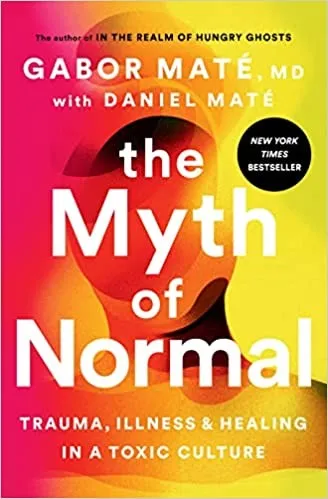
The Myth of Normal
Gabor Maté (2022)
Gabor Maté's most ambitious work investigates why chronic illness, mental health disorders, and addiction are soaring in Western societies. Drawing on four decades of clinical experience, he connects individual suffering to the toxic culture of modern life and provides a compassionate framework for healing.
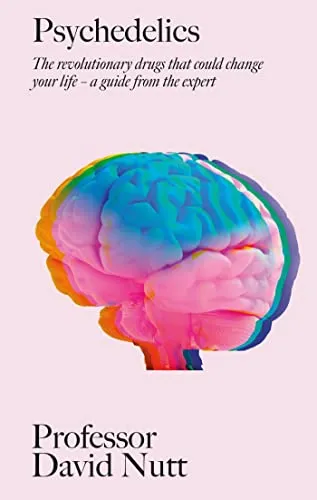
Psychedelics
David Nutt (2023)
The definitive accessible guide to psychedelic science by one of the world's leading neuropsychopharmacologists. Professor David Nutt covers the pharmacology, neuroscience, and clinical evidence for LSD, psilocybin, MDMA, DMT, ayahuasca, and ketamine.
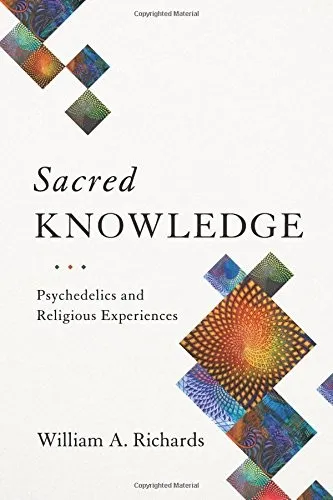
Sacred Knowledge
William A. Richards (2015)
Drawing on nearly three decades of legal psychedelic research at Johns Hopkins, Bill Richards bridges neuroscience, clinical psychology, theology, and mystical experience in the most sophisticated account of psychedelic spirituality available.
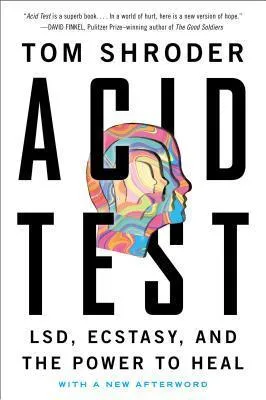
Acid Test
Tom Shroder (2014)
Award-winning Washington Post journalist Tom Shroder tells the story of the psychedelic renaissance through three interconnected lives: Rick Doblin, founder of MAPS; Michael Mithoefer, the psychiatrist pioneering MDMA-assisted therapy; and Nick Blackston, a Marine suffering from severe PTSD. The book traces the arc from LSD's discovery through prohibition to the modern clinical trials that are bringing psychedelics back into medicine.
The Psychedelic Renaissance
Ben Sessa (2017)
A psychiatrist and clinical researcher who has personally conducted MDMA and psilocybin therapy trials provides a thorough overview of psychedelic science, history, pharmacology, and clinical potential. Extensively revised for the 2017 second edition, the book surveys every major psychedelic substance and its evidence base for treating psychiatric disorders.
Listening to Ayahuasca
Rachel Harris (2017)
Psychologist Rachel Harris presents the findings of the largest study of ayahuasca use in North America, combined with her own experiences and clinical perspective. The book explores ayahuasca's therapeutic potential for depression, addiction, PTSD, and anxiety while providing practical guidance for those considering the experience, with a strong focus on integration.