Psychedelic Renaissance
What is the psychedelic renaissance?
The psychedelic renaissance refers to the dramatic revival of interest in psychedelic substances that has been accelerating since approximately 2006, after a ~40 year period of near-total suppression following the criminalization of psychedelics in the late 1960s and 1970s.
Timeline:
First wave (1950s–1960s):
- Thousands of studies on LSD and psilocybin
- Promising results for depression, alcoholism, end-of-life anxiety
- Over 40,000 patients treated
- Cultural explosion: Timothy Leary, Aldous Huxley, counterculture movement
Suppression (1970–2000s):
- Nixon's War on Drugs; psychedelics classified as Schedule I
- Research effectively halted
- Demonization in media and public discourse
- Underground use continued but without scientific framework
Renaissance (2006–present):
- 2006: Johns Hopkins publishes landmark psilocybin study
- 2016: Michael Pollan begins research for How to Change Your Mind
- 2018: FDA grants Breakthrough Therapy designation to psilocybin for depression
- 2020: Oregon legalizes psilocybin therapy; several cities decriminalize
- 2022: Colorado decriminalizes; Australia approves medical use of psilocybin and MDMA
- Ongoing: Hundreds of clinical trials, billions in investment, growing mainstream acceptance
Why it matters for microdosing
The psychedelic renaissance provides the context in which modern microdosing exists:
- Scientific legitimacy — growing research validates the therapeutic potential of psychedelics, lending credibility to microdosing practice
- Policy change — decriminalization and legalization efforts reduce legal risk and increase access
- Quality information — more research means better understanding of mechanisms, risks, and best practices
- Cultural shift — decreasing stigma allows for more open discussion and community building
- Commercial development — investment in psychedelic medicine is driving innovation in dosing, delivery, and therapeutic protocols
- Microdosing as gateway — microdosing has been a significant driver of mainstream interest in psychedelics, and vice versa
What to watch out for
- Hype cycle — not everything claimed during a "renaissance" will prove true; maintain scientific skepticism
- Commercialization — corporate interests may prioritize profit over patient access and equity
- Equity concerns — the communities most harmed by the War on Drugs must be included in the benefits of reform
- Regulation quality — rushed or poorly designed regulations can create problems; thoughtful policy matters
- Backlash risk — irresponsible use or overhyped claims could trigger a second wave of prohibition
Related Terms
Recommended Books
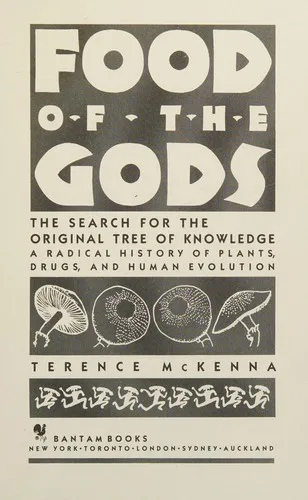
Food of the Gods
Terence McKenna (1992)
McKenna presents a sweeping argument that psychoactive plants — especially psilocybin mushrooms — played a pivotal role in human cognitive evolution, language development, and cultural formation. A provocative blend of ethnobotany, anthropology, and cultural history.
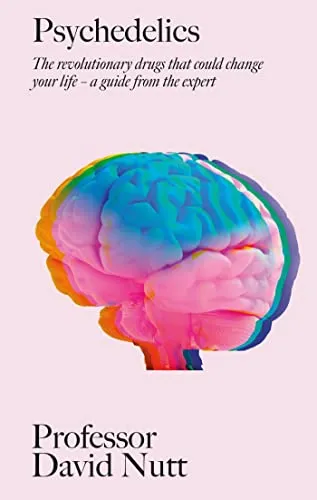
Psychedelics
David Nutt (2023)
The definitive accessible guide to psychedelic science by one of the world's leading neuropsychopharmacologists. Professor David Nutt covers the pharmacology, neuroscience, and clinical evidence for LSD, psilocybin, MDMA, DMT, ayahuasca, and ketamine.
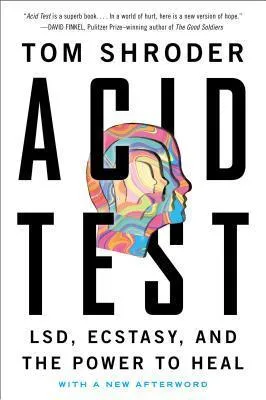
Acid Test
Tom Shroder (2014)
Award-winning Washington Post journalist Tom Shroder tells the story of the psychedelic renaissance through three interconnected lives: Rick Doblin, founder of MAPS; Michael Mithoefer, the psychiatrist pioneering MDMA-assisted therapy; and Nick Blackston, a Marine suffering from severe PTSD. The book traces the arc from LSD's discovery through prohibition to the modern clinical trials that are bringing psychedelics back into medicine.
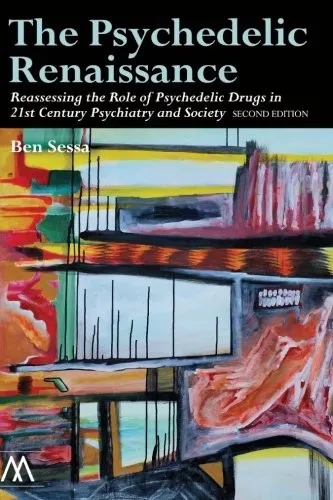
The Psychedelic Renaissance
Ben Sessa (2017)
A psychiatrist and clinical researcher who has personally conducted MDMA and psilocybin therapy trials provides a thorough overview of psychedelic science, history, pharmacology, and clinical potential. Extensively revised for the 2017 second edition, the book surveys every major psychedelic substance and its evidence base for treating psychiatric disorders.
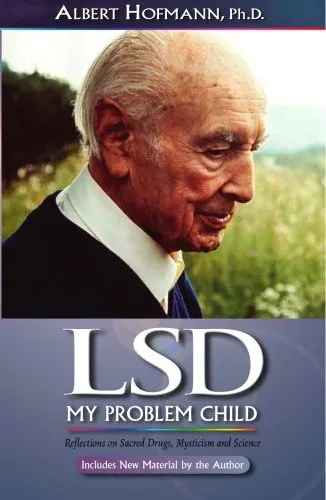
LSD: My Problem Child
Albert Hofmann (1979)
The firsthand account by the chemist who accidentally discovered LSD's psychoactive properties in 1943 — from the legendary "Bicycle Day" first trip to decades of promising psychiatric research and ultimate prohibition. Hofmann also documents his isolation of psilocybin from Mexican sacred mushrooms and his correspondence with Huxley, Leary, Wasson, and Jünger.
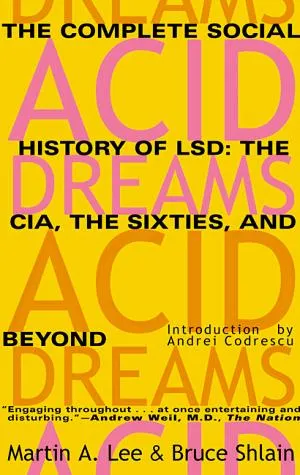
Acid Dreams
Martin A. Lee, Bruce Shlain (1985)
The definitive social history of LSD, tracing the substance from its synthesis by Albert Hofmann in 1938 through CIA mind-control experiments (MK-Ultra), the Harvard Psilocybin Project, the counterculture explosion of the 1960s, and the backlash that led to prohibition. Drawn partly from declassified government files, the book reveals how LSD shaped — and was shaped by — some of the most turbulent decades of American history.