Clinical Trial
What is a clinical trial?
A clinical trial is a systematic research study involving human participants, designed to answer specific health-related questions. Clinical trials follow rigorous protocols and are essential for advancing medical knowledge and gaining regulatory approval for new treatments.
Phases of clinical trials:
| Phase | Purpose | Participants | Duration |
|---|---|---|---|
| Phase I | Safety, dosing, side effects | 20–80 healthy volunteers | Months |
| Phase II | Efficacy, side effects | 100–300 patients | Months–2 years |
| Phase III | Confirm efficacy, monitor adverse effects | 1,000–3,000+ patients | 1–4 years |
| Phase IV | Post-marketing surveillance | Broader population | Ongoing |
Key features of well-designed clinical trials:
- Randomization — participants are randomly assigned to treatment or control groups
- Blinding — participants and/or researchers don't know who receives treatment vs. placebo
- Control groups — comparison against placebo or existing treatments
- Statistical rigor — pre-defined endpoints and sample sizes
Why it matters for microdosing
Clinical trials are the gold standard for evidence and are crucial for the future of microdosing:
- Current state — while there is extensive anecdotal evidence for microdosing benefits, rigorous clinical trial data is still limited
- Ongoing research — several universities and research organizations are conducting microdosing trials (Imperial College London, University of Chicago, Maastricht University, and others)
- Key findings so far:
- Some trials show improvements in mood and well-being
- Several controlled studies have found results comparable to placebo, suggesting expectancy effects play a significant role
- The relationship between microdosing and cognitive enhancement remains unclear in controlled settings
- Regulatory pathway — clinical trials are required for any future FDA/EMA approval of microdosing as a medical treatment
How it works in practice
As a microdoser, clinical trial literacy helps you:
- Evaluate claims — distinguish between "one study found" and "robust evidence shows"
- Understand limitations — anecdotal reports ≠ clinical evidence; your positive experience is real but may not generalize
- Participate — consider joining clinical trials if available in your area; this contributes to the evidence base
- Stay informed — follow research from reputable institutions and read beyond headlines
- Maintain intellectual honesty — be open to evidence that challenges your beliefs about microdosing
What to watch out for
- Cherry-picking — the microdosing community sometimes highlights positive findings while ignoring null results
- Pre-prints — studies that haven't been peer-reviewed should be treated with extra caution
- Sample size — small studies (n < 50) can show dramatic results that don't replicate in larger trials
- Conflict of interest — some research is funded by organizations with commercial interests in psychedelics
- Media hype — science journalism often oversimplifies or sensationalizes findings
Related Terms
Recommended Books
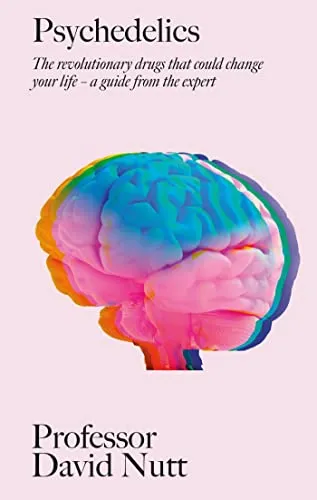
Psychedelics
David Nutt (2023)
The definitive accessible guide to psychedelic science by one of the world's leading neuropsychopharmacologists. Professor David Nutt covers the pharmacology, neuroscience, and clinical evidence for LSD, psilocybin, MDMA, DMT, ayahuasca, and ketamine.
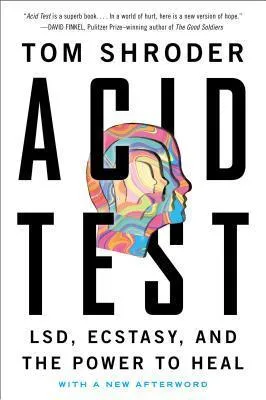
Acid Test
Tom Shroder (2014)
Award-winning Washington Post journalist Tom Shroder tells the story of the psychedelic renaissance through three interconnected lives: Rick Doblin, founder of MAPS; Michael Mithoefer, the psychiatrist pioneering MDMA-assisted therapy; and Nick Blackston, a Marine suffering from severe PTSD. The book traces the arc from LSD's discovery through prohibition to the modern clinical trials that are bringing psychedelics back into medicine.
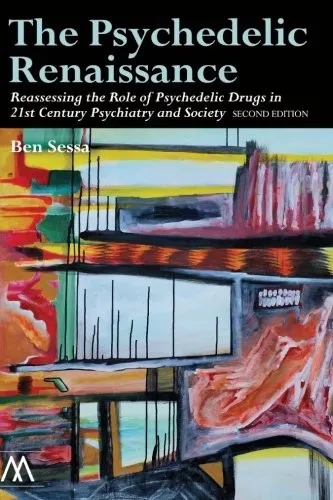
The Psychedelic Renaissance
Ben Sessa (2017)
A psychiatrist and clinical researcher who has personally conducted MDMA and psilocybin therapy trials provides a thorough overview of psychedelic science, history, pharmacology, and clinical potential. Extensively revised for the 2017 second edition, the book surveys every major psychedelic substance and its evidence base for treating psychiatric disorders.
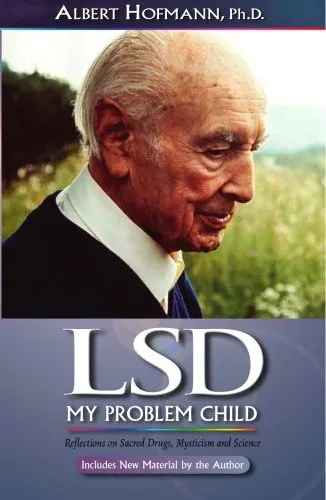
LSD: My Problem Child
Albert Hofmann (1979)
The firsthand account by the chemist who accidentally discovered LSD's psychoactive properties in 1943 — from the legendary "Bicycle Day" first trip to decades of promising psychiatric research and ultimate prohibition. Hofmann also documents his isolation of psilocybin from Mexican sacred mushrooms and his correspondence with Huxley, Leary, Wasson, and Jünger.
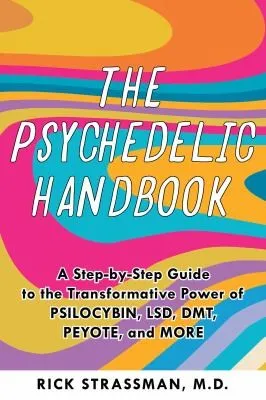
The Psychedelic Handbook
Rick Strassman (2022)
A comprehensive, evidence-based practical guide covering nine psychedelic substance classes — psilocybin, LSD, DMT/ayahuasca, mescaline, ketamine, MDMA, ibogaine, 5-MeO-DMT, and Salvia divinorum — written by the clinical researcher who conducted the first FDA-approved psychedelic study in a generation. Each chapter addresses pharmacology, therapeutic potential, safe use guidelines, microdosing, and recognition of adverse reactions.
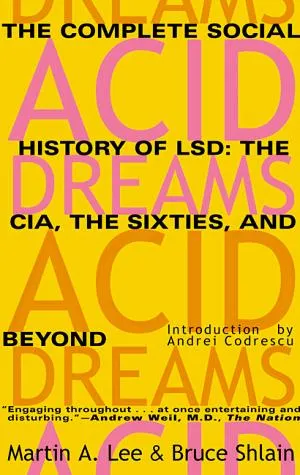
Acid Dreams
Martin A. Lee, Bruce Shlain (1985)
The definitive social history of LSD, tracing the substance from its synthesis by Albert Hofmann in 1938 through CIA mind-control experiments (MK-Ultra), the Harvard Psilocybin Project, the counterculture explosion of the 1960s, and the backlash that led to prohibition. Drawn partly from declassified government files, the book reveals how LSD shaped — and was shaped by — some of the most turbulent decades of American history.