Macrodose (Full Dose)
What is a macrodose?
A macrodose is a full psychoactive dose of a psychedelic substance — the amount needed to produce a complete psychedelic experience with significant changes in perception, thought, emotion, and sense of self. This is what most people mean when they talk about "taking psychedelics" or "tripping."
Macrodoses produce effects that are unmistakable and impossible to ignore:
- Vivid visual and auditory changes
- Profound shifts in thinking and emotional processing
- Altered sense of time and space
- Possible ego dissolution or mystical experiences
- Duration of 4–12 hours depending on the substance
Macrodose ranges
| Substance | Macrodose range | Duration |
|---|---|---|
| Psilocybin mushrooms | 2–5 g dried | 4–6 hours |
| LSD | 100–200 µg | 8–12 hours |
| Mescaline | 200–400 mg | 8–12 hours |
| DMT (smoked) | 20–50 mg | 15–30 min |
| Ayahuasca | Varies by brew | 4–6 hours |
Why macrodoses matter for microdosing
Even though microdosing and macrodosing are fundamentally different practices, understanding macrodoses is important for microdosers because:
1. Microdoses are defined relative to macrodoses
A microdose is typically 1/10th to 1/20th of a macrodose. Without knowing the macrodose reference point, you can't properly calibrate a microdose.
2. Macrodose experiences can inform microdosing intentions
Many microdosers have had prior macrodose experiences that revealed insights, patterns, or areas for growth. Microdosing can serve as a way to integrate and sustain the benefits of those larger experiences.
3. Accidental macrodosing is a real risk
Potency variation in natural materials means a dose intended as a microdose can occasionally cross into macrodose territory. Understanding what a macrodose feels like — and having safety strategies in place — is part of responsible harm reduction.
4. Research context
Most clinical research on psychedelics uses macrodoses in therapeutic settings. Understanding the macrodose research helps contextualize the more limited microdosing research.
Macrodosing vs. microdosing: key differences
| Microdose | Macrodose | |
|---|---|---|
| Intensity | Sub-perceptual | Fully psychoactive |
| Function | Normal daily activity | Requires dedicated time and space |
| Duration | No noticeable duration | 4–12 hours |
| Frequency | Regular schedule (2-4x/week) | Occasional (weeks to months apart) |
| Setting | Normal environment | Safe, controlled environment |
| Support | Self-directed | Trip sitter or therapist recommended |
| Integration | Ongoing, subtle | Intensive, post-experience |
Safety considerations
If you're a microdoser who accidentally takes too much:
- Don't panic — the effects are temporary
- Move to a safe, comfortable environment
- Contact a trip sitter or trusted person
- Avoid driving or operating machinery
- Practice grounding techniques: cold water on wrists, slow breathing, familiar music
- Remember: no one has ever fatally overdosed on psilocybin or LSD
Related Terms
Recommended Books
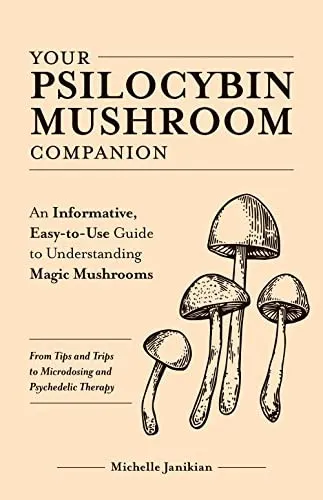
Your Psilocybin Mushroom Companion
Michelle Janikian (2019)
A comprehensive, beginner-friendly guide to psilocybin mushrooms covering everything from planning safe trips and training guides to microdosing protocols and psychedelic therapy. Journalist Michelle Janikian pairs the latest research with practical, step-by-step advice for both newcomers and experienced users, emphasizing harm reduction throughout.
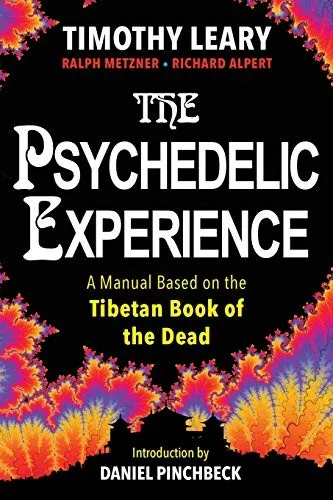
The Psychedelic Experience
Timothy Leary, Ralph Metzner, Richard Alpert (1964)
The foundational manual for navigating psychedelic experiences, reinterpreting the Tibetan Book of the Dead as a framework for ego dissolution, bardo states, and re-entry during LSD and psilocybin sessions. Written by the three Harvard researchers who launched the modern psychedelic movement, it established the concepts of preparation, set and setting, and guided sessions that remain central to all psychedelic practice today.