Microdosing
What is microdosing?
Microdosing is the practice of taking sub-perceptual doses of psychedelic substances on a regular schedule. The goal is not to "trip" or experience dramatic shifts in perception, but to gently nudge the brain toward improved functioning in everyday life.
The most commonly microdosed substances are psilocybin (from magic mushrooms) and LSD (lysergic acid diethylamide). A typical microdose ranges from 0.05–0.3 g of dried psilocybin mushrooms or 5–20 µg of LSD — roughly 1/10th to 1/20th of a full recreational dose.
The concept gained mainstream attention around 2015, largely driven by Silicon Valley professionals who reported enhanced creativity, focus, and emotional well-being. Since then, interest has expanded well beyond tech circles into mental health, personal development, and wellness communities worldwide.
Why people microdose
People turn to microdosing for a variety of reasons:
- Mental health support — reducing symptoms of depression, anxiety, PTSD, or emotional numbness
- Cognitive enhancement — sharper focus, faster problem-solving, improved memory
- Creative boost — new perspectives, divergent thinking, artistic inspiration
- Emotional regulation — greater equanimity, less reactivity, more empathy
- Spiritual exploration — deeper mindfulness, sense of connectedness, self-awareness
- Breaking habits — reduced cravings for alcohol, nicotine, or other substances
Importantly, microdosing is not about escaping reality. It's about engaging with reality more fully.
How microdosing works in practice
1. Choose a substance
Most microdosers use psilocybin mushrooms or LSD. Each has a different duration and character of effects. Mushrooms tend to feel warmer and more body-oriented; LSD tends to feel more energizing and analytical.
2. Establish your dose
Start with the lowest reasonable dose and gradually increase through a process called titration. The goal is to find the highest dose that remains sub-perceptual — your "sweet spot."
3. Follow a protocol
Popular microdosing protocols include:
- Fadiman Protocol — 1 day on, 2 days off (dose on Day 1, observe on Day 2, rest on Day 3, repeat)
- Stamets Stack — 4 days on, 3 days off (often combined with Lion's Mane and niacin)
- Every Other Day — dose, rest, dose, rest
- Intuitive — dose when you feel called to, with at least 1 day between doses
Most protocols run for 4–8 weeks, followed by a 2–4 week break to prevent tolerance and allow integration.
4. Track and reflect
Keep a daily journal or use a tracking app (like MicrodosingDiary) to log your dose, mood, energy, sleep, creativity, and any notable observations. This data is invaluable for optimizing your practice.
What to watch out for
- Overshooting the dose — If you feel noticeably "different" or have visual disturbances, you've taken too much. Scale back.
- Tolerance buildup — Psychedelics build tolerance rapidly. Rest days are non-negotiable.
- Drug interactions — SSRIs, MAOIs, lithium, and other serotonergic medications can interact dangerously. Research thoroughly or consult a medical professional.
- Legal status — Psilocybin and LSD remain controlled substances in most jurisdictions. Know your local laws.
- Expectancy effects — Your beliefs about what microdosing will do can influence your experience. Stay curious but honest in your self-observations.
- Not a magic pill — Microdosing works best as one tool within a broader toolkit of healthy habits: sleep, exercise, nutrition, therapy, mindfulness.
The current state of research
Scientific research on microdosing is still in its early stages. While anecdotal reports are overwhelmingly positive, controlled studies have produced mixed results — some showing benefits, others attributing much of the effect to placebo and expectancy.
Key studies to know:
- Polito & Stevenson (2019) — Systematic observation study showing small but consistent improvements in psychological functioning
- Szigeti et al. (2021) — Self-blinding study suggesting expectancy plays a significant role
- Hutten et al. (2020) — Survey study documenting reported benefits and challenges
The field is evolving rapidly, and more rigorous clinical trials are underway.
Related Terms
Recommended Books
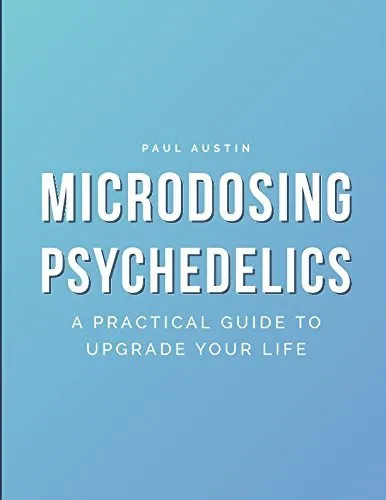
Microdosing Psychedelics
Paul Austin (2018)
A hands-on guide to microdosing protocols for LSD, psilocybin, mescaline, and other substances. Covers scheduling, safety, sourcing, and practical applications for creativity, performance, and well-being.
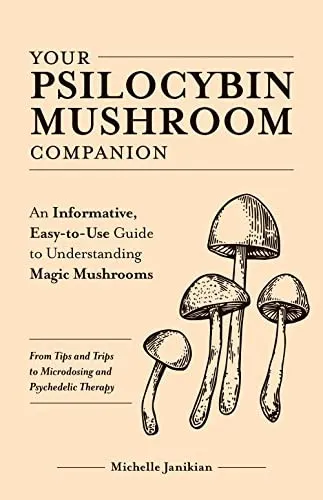
Your Psilocybin Mushroom Companion
Michelle Janikian (2019)
A comprehensive, beginner-friendly guide to psilocybin mushrooms covering everything from planning safe trips and training guides to microdosing protocols and psychedelic therapy. Journalist Michelle Janikian pairs the latest research with practical, step-by-step advice for both newcomers and experienced users, emphasizing harm reduction throughout.
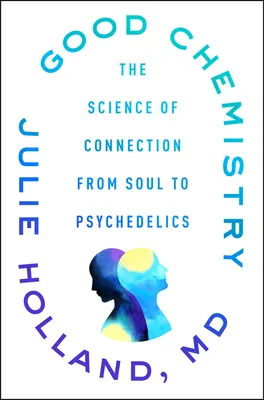
Good Chemistry
Julie Holland (2020)
Psychiatrist and MAPS clinical researcher Julie Holland explores the neuroscience of human connection — why we need it, how modern life undermines it, and how psychedelic medicines can help restore it. The book bridges oxytocin research, attachment theory, and psychedelic pharmacology to make the case that the "chemistry of connection" is the key to both individual healing and collective wellbeing.
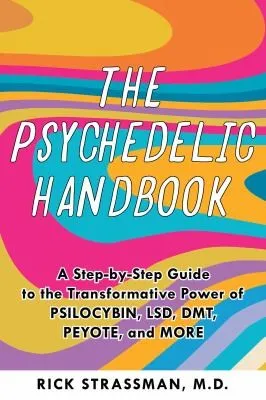
The Psychedelic Handbook
Rick Strassman (2022)
A comprehensive, evidence-based practical guide covering nine psychedelic substance classes — psilocybin, LSD, DMT/ayahuasca, mescaline, ketamine, MDMA, ibogaine, 5-MeO-DMT, and Salvia divinorum — written by the clinical researcher who conducted the first FDA-approved psychedelic study in a generation. Each chapter addresses pharmacology, therapeutic potential, safe use guidelines, microdosing, and recognition of adverse reactions.
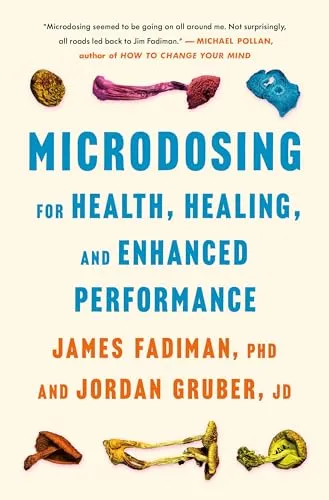
Microdosing for Health, Healing, and Enhanced Performance
James Fadiman, Jordan Gruber (2025)
The long-awaited follow-up to The Psychedelic Explorer's Guide, written by the man whose name is on the most widely used microdosing protocol. Fadiman and Gruber distil over a decade of self-reports from thousands of microdosers, alongside the latest clinical research, into the most complete book on the practice to date.