Emotional Regulation
What is emotional regulation?
Emotional regulation refers to the processes by which individuals influence which emotions they have, when they have them, and how they experience and express them. It includes:
- Awareness — recognizing and naming emotions as they arise
- Tolerance — being able to sit with uncomfortable emotions without reacting impulsively
- Modulation — adjusting the intensity of emotional responses to match the situation
- Expression — communicating emotions in healthy, appropriate ways
- Recovery — returning to a balanced state after emotional activation
Poor emotional regulation is a transdiagnostic factor in many mental health conditions, including depression, anxiety, PTSD, and borderline personality disorder. Improving emotional regulation is therefore a high-leverage therapeutic target.
Why it matters for microdosing
Improved emotional regulation is one of the most therapeutically relevant benefits reported by microdosers:
- Reduced reactivity — many microdosers report being less reactive to triggers that would normally cause anger, anxiety, or frustration
- Increased emotional granularity — the ability to distinguish between different emotional states (not just "good" or "bad") often improves
- Greater window of tolerance — the range of emotional intensity that can be managed without becoming overwhelmed expands
- Faster recovery — emotional disruptions resolve more quickly, with less rumination
- Neuroplasticity connection — psychedelics promote neuroplasticity, which may help rewire maladaptive emotional response patterns
How it works in practice
- Name the emotion — when you notice a strong feeling, pause and identify it specifically (not just "stressed" but "anxious about the deadline" or "frustrated by being misunderstood")
- Track reactivity — journal situations where you responded differently than you normally would; this is regulation in action
- Combine with breathwork — 4-7-8 breathing or box breathing can help manage acute emotional activation
- RAIN technique — Recognize, Allow, Investigate, Non-identify; a mindfulness-based approach that pairs well with microdosing
- Notice the gap — microdosing may widen the gap between stimulus and response; use that gap consciously
What to watch out for
- Emotional blunting vs. regulation — if you feel emotionally flat or numb, that's not regulation; it may indicate the dose is wrong or there's an underlying issue
- Suppression is not regulation — pushing emotions down is different from processing them; microdosing should facilitate feeling, not avoiding
- Increased sensitivity — some microdosers initially experience more emotional intensity before developing better regulation; this is normal but can be challenging
- Context matters — improved emotional regulation while microdosing should translate into lasting skills; if it only works on dose days, the integration practice needs adjustment
Related Terms
Recommended Books
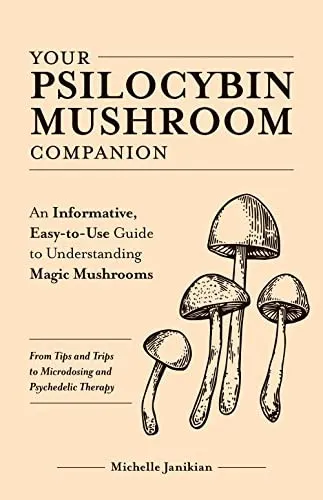
Your Psilocybin Mushroom Companion
Michelle Janikian (2019)
A comprehensive, beginner-friendly guide to psilocybin mushrooms covering everything from planning safe trips and training guides to microdosing protocols and psychedelic therapy. Journalist Michelle Janikian pairs the latest research with practical, step-by-step advice for both newcomers and experienced users, emphasizing harm reduction throughout.
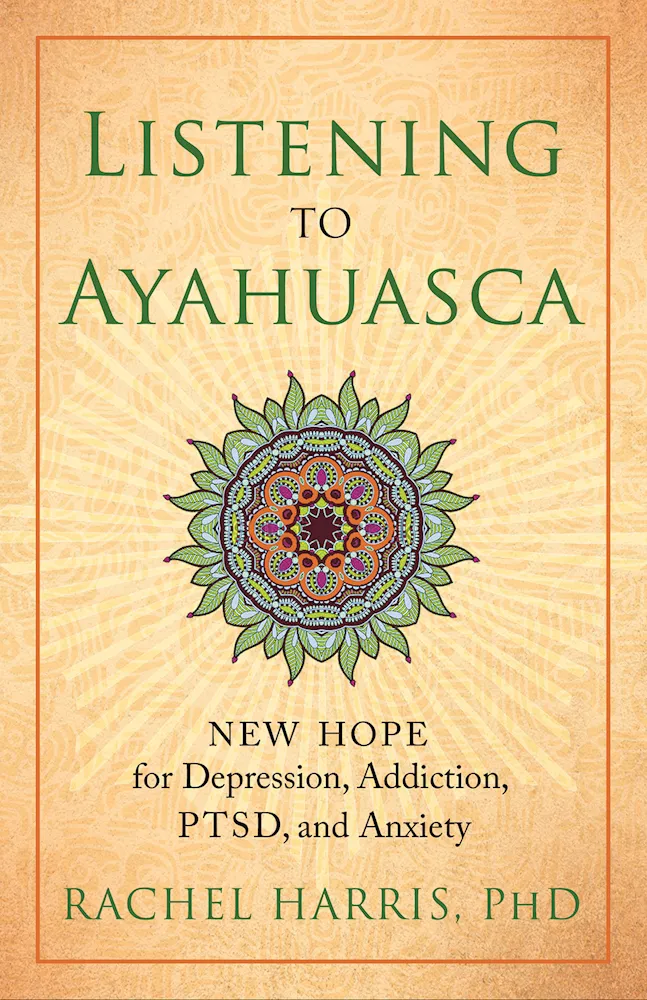
Listening to Ayahuasca
Rachel Harris (2017)
Psychologist Rachel Harris presents the findings of the largest study of ayahuasca use in North America, combined with her own experiences and clinical perspective. The book explores ayahuasca's therapeutic potential for depression, addiction, PTSD, and anxiety while providing practical guidance for those considering the experience, with a strong focus on integration.
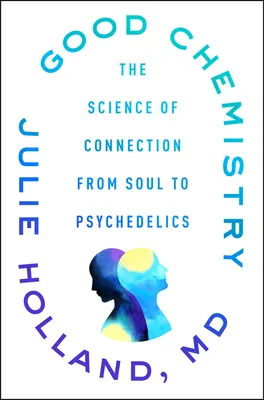
Good Chemistry
Julie Holland (2020)
Psychiatrist and MAPS clinical researcher Julie Holland explores the neuroscience of human connection — why we need it, how modern life undermines it, and how psychedelic medicines can help restore it. The book bridges oxytocin research, attachment theory, and psychedelic pharmacology to make the case that the "chemistry of connection" is the key to both individual healing and collective wellbeing.
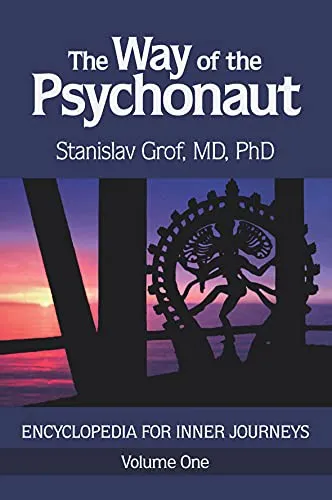
The Way of the Psychonaut
Stanislav Grof (2019)
Written in his late eighties, this is Stanislav Grof's magnum opus — a comprehensive synthesis of over sixty years of consciousness research through psychedelic-assisted therapy and Holotropic Breathwork. Volume One covers maps of the psyche, the architecture of emotional disorders, perinatal matrices, spiritual emergency, and a fundamental revision of depth psychology based on non-ordinary states of consciousness.