Somatic Awareness
What is somatic awareness?
Somatic awareness is the practice of paying deliberate attention to the physical sensations in your body — tension, warmth, tingling, heaviness, lightness, constriction, expansion, pain, pleasure, and everything in between.
The word "somatic" comes from the Greek soma, meaning "body." Somatic awareness recognizes that the body is not separate from the mind — emotions, thoughts, and psychological states always have a physical counterpart, even when we're not aware of it.
In the microdosing context, somatic awareness serves as both a tracking tool and an integration practice that can reveal information not accessible through thinking alone.
Why somatic awareness matters for microdosing
1. The body often knows first
Physical sensations frequently signal emotional states before conscious awareness catches up. That knot in your stomach might be anxiety. The warmth in your chest might be gratitude. A microdose may heighten your ability to notice these signals.
2. Psychedelics are somatic
Even at microdose levels, many users report subtle physical effects:
- Slight tingling or warmth in the first 30–60 minutes
- Relaxation of chronic tension
- Increased awareness of breath
- Heightened sensitivity to touch, temperature, or movement
- Subtle changes in posture or movement quality
3. Trauma lives in the body
Research by Bessel van der Kolk and others has shown that trauma is stored somatically — in patterns of muscular tension, nervous system dysregulation, and habitual bracing. Somatic awareness during microdosing can gently begin to release these patterns.
4. Body data is harder to fabricate
While mental and emotional reports are vulnerable to expectancy effects and cognitive bias, physical sensations are more grounded and immediate. Tracking somatic changes provides a more objective data stream.
How to practice somatic awareness
Body scan (5 minutes)
A foundational practice to do before, during, or after a microdose:
- Sit or lie comfortably. Close your eyes.
- Start at the top of your head. Notice any sensations — warmth, pressure, tingling, numbness.
- Move slowly down through your face, jaw, neck, shoulders, arms, hands, chest, abdomen, hips, legs, feet.
- At each area, pause for 3–5 breaths. Don't try to change anything. Just notice.
- Note areas of tension or sensation. These often correspond to held emotions.
- End with whole-body awareness. Feel your body as a unified field of sensation.
Somatic check-in prompts
Incorporate these into your daily journaling:
- Where in my body do I feel the most sensation right now?
- Is there tension I wasn't aware of before this check-in?
- How does my body feel different on dose days vs. off days?
- When a strong emotion arises, where do I feel it physically?
Movement practices
Somatic awareness pairs powerfully with:
- Yoga — especially slow, mindful practices
- Walking in nature — attention to the sensory experience of movement
- Dance — free, intuitive movement without choreography
- Tai chi or qigong — slow, deliberate, body-centered movement
- Swimming — full-body sensory immersion
Somatic awareness and emotional processing
One of the most powerful applications of somatic awareness in microdosing is emotional processing through the body:
- Notice an emotion arising (anxiety, sadness, anger)
- Locate it in your body (tight chest, heavy stomach, clenched jaw)
- Breathe into that area — send slow, gentle breath to the sensation
- Stay with it without trying to fix it — let the sensation exist
- Notice what happens — sensations often shift, move, or release when given attention
This approach draws from somatic experiencing (Peter Levine), focusing (Eugene Gendlin), and mindfulness-based traditions.
What to track
Add these somatic metrics to your microdosing journal:
- Body tension level (1–10)
- Areas of notable sensation (location and quality)
- Physical energy (1–10)
- Any unusual physical experiences (tingling, warmth, heaviness, etc.)
- Movement quality — did exercise feel different today?
Related Terms
Recommended Books

The Body Keeps the Score
Bessel van der Kolk (2014)
Drawing on over 30 years of clinical experience and neuroscience research, Bessel van der Kolk shows how traumatic stress reshapes the brain and body, and explores innovative treatments — including MDMA-assisted psychotherapy — that activate the brain's natural neuroplasticity.
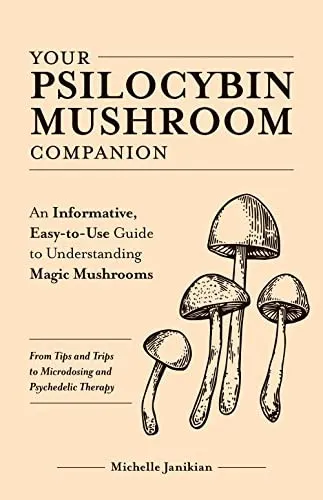
Your Psilocybin Mushroom Companion
Michelle Janikian (2019)
A comprehensive, beginner-friendly guide to psilocybin mushrooms covering everything from planning safe trips and training guides to microdosing protocols and psychedelic therapy. Journalist Michelle Janikian pairs the latest research with practical, step-by-step advice for both newcomers and experienced users, emphasizing harm reduction throughout.
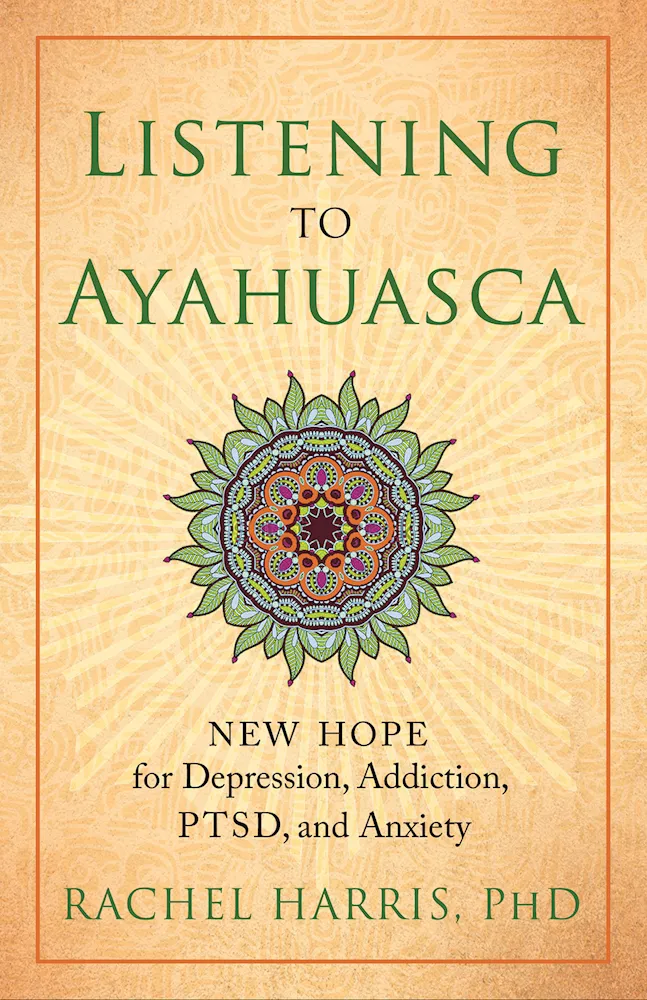
Listening to Ayahuasca
Rachel Harris (2017)
Psychologist Rachel Harris presents the findings of the largest study of ayahuasca use in North America, combined with her own experiences and clinical perspective. The book explores ayahuasca's therapeutic potential for depression, addiction, PTSD, and anxiety while providing practical guidance for those considering the experience, with a strong focus on integration.
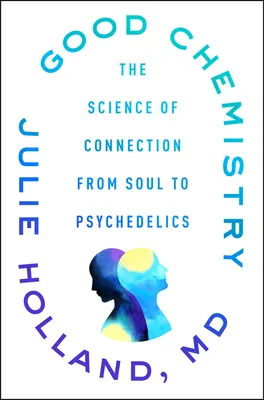
Good Chemistry
Julie Holland (2020)
Psychiatrist and MAPS clinical researcher Julie Holland explores the neuroscience of human connection — why we need it, how modern life undermines it, and how psychedelic medicines can help restore it. The book bridges oxytocin research, attachment theory, and psychedelic pharmacology to make the case that the "chemistry of connection" is the key to both individual healing and collective wellbeing.

The Way of the Psychonaut
Stanislav Grof (2019)
Written in his late eighties, this is Stanislav Grof's magnum opus — a comprehensive synthesis of over sixty years of consciousness research through psychedelic-assisted therapy and Holotropic Breathwork. Volume One covers maps of the psyche, the architecture of emotional disorders, perinatal matrices, spiritual emergency, and a fundamental revision of depth psychology based on non-ordinary states of consciousness.