Mindfulness
What is mindfulness?
Mindfulness is a mental practice rooted in Buddhist meditation traditions, now widely adopted in secular psychology and medicine. At its core, mindfulness involves:
- Present-moment awareness — paying attention to what is happening right now, rather than dwelling on the past or worrying about the future
- Non-judgmental observation — noticing thoughts, feelings, and sensations without labeling them as good or bad
- Curiosity — approaching experience with openness and interest rather than avoidance
- Acceptance — allowing things to be as they are without trying to change them
Mindfulness can be practiced formally (meditation sessions) or informally (bringing awareness to everyday activities like eating, walking, or listening).
Why it matters for microdosing
Mindfulness and microdosing are deeply complementary practices:
- Enhanced awareness — microdosing may increase sensitivity to subtle internal and external stimuli, making mindfulness practice richer and more accessible
- Integration tool — mindfulness provides the framework for processing and integrating microdosing experiences
- Amplification effect — many practitioners report that microdosing deepens their meditation practice, and meditation deepens their microdosing experience
- Self-observation — the non-judgmental awareness cultivated through mindfulness is exactly what's needed to accurately track microdosing effects
- Emotional regulation — both practices independently improve emotional regulation; together, the effect may be synergistic
How it works in practice
- Start simple — even 5 minutes of focused breathing before or after dosing can significantly enhance the experience
- Body scan on dose days — spend a few minutes scanning your body for sensations; microdosing may make subtle sensations more noticeable
- Mindful journaling — bring non-judgmental awareness to your journal entries; notice if you're editorializing rather than observing
- Walking meditation — particularly effective on dose days; combine movement with present-moment awareness
- Mindful transitions — use the transition between activities as mindfulness anchors throughout the day
What to watch out for
- Spiritual bypassing — using mindfulness or microdosing to avoid dealing with difficult emotions rather than processing them
- Performance mindset — mindfulness is not about "doing it right"; if you're judging your meditation, you're missing the point
- Over-reliance on substance — develop a mindfulness practice that stands on its own, independent of microdosing
- Intensity management — if microdosing makes emotions more vivid, mindfulness can help you stay grounded rather than overwhelmed
Related Terms
Recommended Books
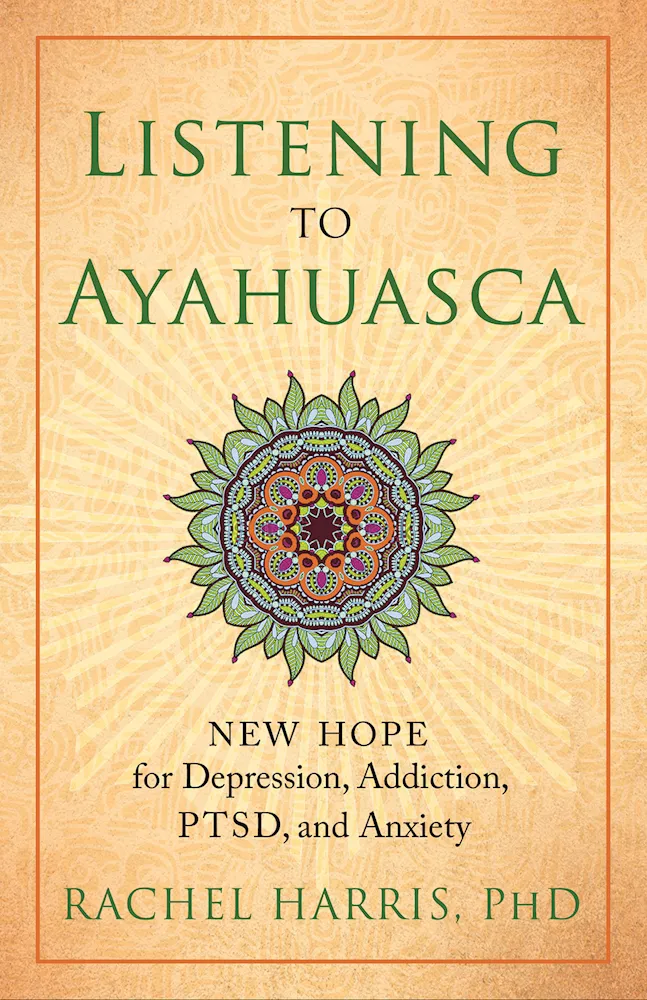
Listening to Ayahuasca
Rachel Harris (2017)
Psychologist Rachel Harris presents the findings of the largest study of ayahuasca use in North America, combined with her own experiences and clinical perspective. The book explores ayahuasca's therapeutic potential for depression, addiction, PTSD, and anxiety while providing practical guidance for those considering the experience, with a strong focus on integration.
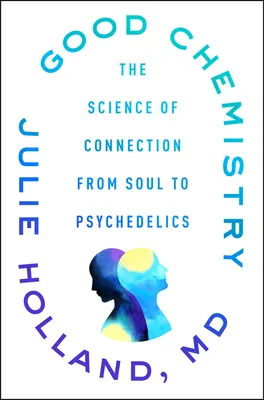
Good Chemistry
Julie Holland (2020)
Psychiatrist and MAPS clinical researcher Julie Holland explores the neuroscience of human connection — why we need it, how modern life undermines it, and how psychedelic medicines can help restore it. The book bridges oxytocin research, attachment theory, and psychedelic pharmacology to make the case that the "chemistry of connection" is the key to both individual healing and collective wellbeing.
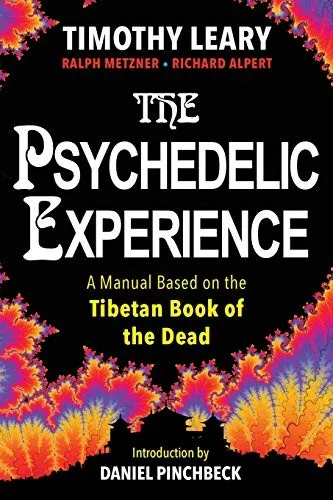
The Psychedelic Experience
Timothy Leary, Ralph Metzner, Richard Alpert (1964)
The foundational manual for navigating psychedelic experiences, reinterpreting the Tibetan Book of the Dead as a framework for ego dissolution, bardo states, and re-entry during LSD and psilocybin sessions. Written by the three Harvard researchers who launched the modern psychedelic movement, it established the concepts of preparation, set and setting, and guided sessions that remain central to all psychedelic practice today.
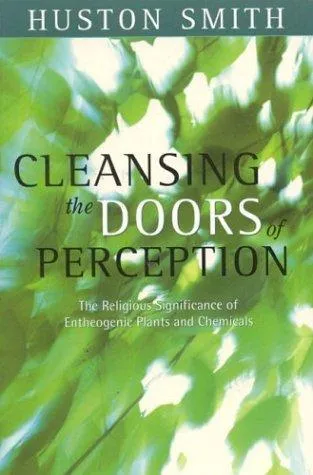
Cleansing the Doors of Perception
Huston Smith (2000)
The definitive scholarly treatment of whether psychedelic experiences qualify as authentically religious, written by the 20th century's foremost authority on comparative religion. Drawing on his personal participation in the 1962 Good Friday Experiment, his friendship with Aldous Huxley, and four decades of studying the world's spiritual traditions, Smith concludes that entheogens can trigger genuine mystical experiences but cannot by themselves produce religious lives — integration is where the real work begins.
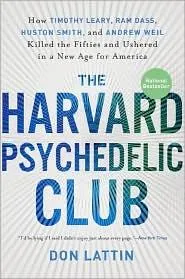
The Harvard Psychedelic Club
Don Lattin (2010)
The story of four men who crossed paths at Harvard in the early 1960s during the Psilocybin Project and went on to transform American culture: Timothy Leary (the trickster), Richard Alpert/Ram Dass (the seeker), Huston Smith (the scholar), and Andrew Weil (the healer). Journalist Don Lattin weaves their interconnected lives into a group biography that reveals how personal rivalries, spiritual quests, and institutional politics shaped the psychedelic movement.
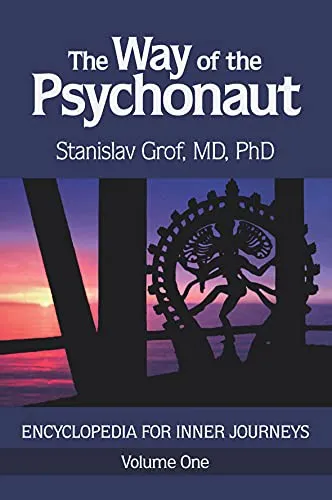
The Way of the Psychonaut
Stanislav Grof (2019)
Written in his late eighties, this is Stanislav Grof's magnum opus — a comprehensive synthesis of over sixty years of consciousness research through psychedelic-assisted therapy and Holotropic Breathwork. Volume One covers maps of the psyche, the architecture of emotional disorders, perinatal matrices, spiritual emergency, and a fundamental revision of depth psychology based on non-ordinary states of consciousness.