Journaling
What is journaling in microdosing?
Journaling in the microdosing context goes beyond keeping a diary. It's a structured self-observation practice that serves three purposes simultaneously:
- Data collection — building a reliable record of your experiences over time
- Integration — processing and anchoring insights so they don't fade
- Self-awareness — developing a deeper understanding of your patterns, triggers, and growth edges
If microdosing is the experiment, your journal is the lab notebook. Without it, you're flying blind.
Why journaling is essential for microdosers
Microdose effects are subtle
The effects of a properly calibrated microdose are almost too subtle to notice in the moment. Journaling captures what you might otherwise miss. Patterns that are invisible day-to-day become obvious when you review weeks of entries.
Memory is unreliable
Without a written record, you'll reconstruct your experience based on how you feel now, not how you felt then. This is especially problematic for distinguishing placebo/expectancy effects from genuine pharmacological effects.
Writing changes the brain
The act of writing engages different neural processes than thinking alone. Putting experiences into words helps organize them, creates emotional distance, and activates integration processes in the prefrontal cortex.
Journaling frameworks for microdosing
Framework 1: The Quick Check-In (2 minutes)
Ideal for daily use — minimal friction, maximum consistency.
Morning (on dose days):
- Dose: [substance, amount, time]
- Intention: [one sentence]
- Mood: [1–10]
- Energy: [1–10]
Evening (every day):
- Mood: [1–10]
- Focus: [1–10]
- Creativity: [1–10]
- Notable: [one sentence about the day]
Framework 2: The Reflective Journal (10 minutes)
Ideal for transition days and weekly reviews.
Prompt questions:
- What did I notice today that I wouldn't normally notice?
- How did I handle stress or conflict today?
- What creative ideas or connections appeared?
- How did my body feel throughout the day?
- What emotions came up, and how did I respond to them?
- Is there anything I want to explore further?
Framework 3: The Integration Journal (20 minutes)
Ideal for end-of-cycle reviews.
Structure:
- Summary — What were the key themes of this cycle?
- Insights — What did I learn about myself?
- Actions — What did I actually change in my behavior?
- Patterns — What recurring themes need more attention?
- Adjustments — What will I do differently in the next cycle?
- Gratitude — What am I grateful for from this experience?
Journaling best practices
Consistency over quality
A one-sentence entry every day is infinitely more valuable than a beautiful, detailed entry once a month. Lower the bar for what counts as "journaling."
Same time, same place
Build the habit by anchoring it to an existing routine. Morning coffee → morning check-in. Brushing teeth → evening rating.
Quantify AND qualify
Numbers (mood 1–10) let you spot trends. Words ("felt unusually patient in the meeting") provide context. Use both.
Review regularly
A journal you never re-read is a journal that doesn't integrate. Schedule a weekly review (5 minutes) and a cycle review (20 minutes).
Be honest
The journal is for you, not for an audience. Record negative experiences, doubts, and disappointments alongside the positives. This is essential for distinguishing real effects from wishful thinking.
Digital vs. analog
- Digital (apps, spreadsheets): Better for data analysis, pattern recognition, and consistent formatting
- Analog (paper journal): Better for reflective depth, creative expression, and the tactile experience of writing
- Both: Many microdosers use a tracking app for daily metrics and a paper journal for deeper reflections
What to watch for in your journal data
After 4+ weeks of entries, look for:
- On-day vs. off-day differences — Are your metrics consistently higher on dose days?
- Trend lines — Is your baseline mood/energy/focus shifting over the protocol?
- Dose-response patterns — How do different doses affect your metrics?
- External correlations — How do sleep, exercise, stress, and other factors interact with your microdosing?
- Recurring themes — What insights keep coming back? These are usually the most important ones.
Related Terms
Recommended Books
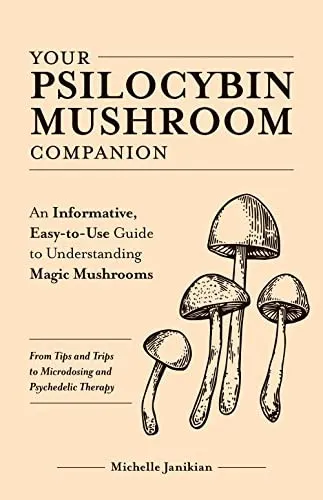
Your Psilocybin Mushroom Companion
Michelle Janikian (2019)
A comprehensive, beginner-friendly guide to psilocybin mushrooms covering everything from planning safe trips and training guides to microdosing protocols and psychedelic therapy. Journalist Michelle Janikian pairs the latest research with practical, step-by-step advice for both newcomers and experienced users, emphasizing harm reduction throughout.
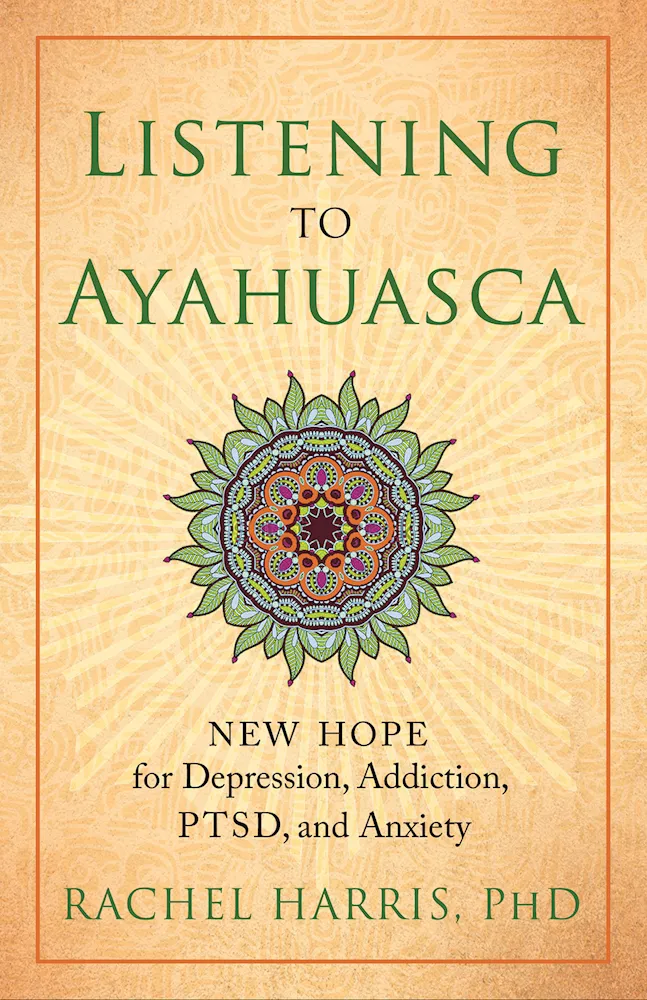
Listening to Ayahuasca
Rachel Harris (2017)
Psychologist Rachel Harris presents the findings of the largest study of ayahuasca use in North America, combined with her own experiences and clinical perspective. The book explores ayahuasca's therapeutic potential for depression, addiction, PTSD, and anxiety while providing practical guidance for those considering the experience, with a strong focus on integration.
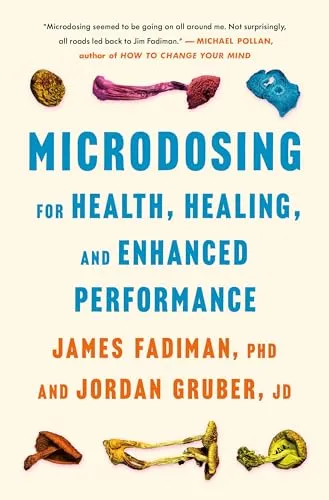
Microdosing for Health, Healing, and Enhanced Performance
James Fadiman, Jordan Gruber (2025)
The long-awaited follow-up to The Psychedelic Explorer's Guide, written by the man whose name is on the most widely used microdosing protocol. Fadiman and Gruber distil over a decade of self-reports from thousands of microdosers, alongside the latest clinical research, into the most complete book on the practice to date.
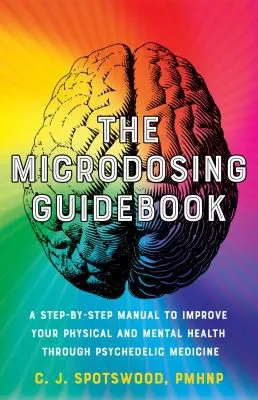
The Microdosing Guidebook
C. J. Spotswood (2022)
A hands-on workbook on microdosing written by a psychiatric nurse practitioner with two decades of clinical experience. Spotswood combines a plain-language summary of the research with worksheets, intention-setting exercises and a guided journal for tracking your own protocol.