Connectedness
What is connectedness?
Connectedness is a psychological and experiential state characterized by a felt sense of meaningful connection that extends beyond the individual self. It can manifest as:
- Social connectedness — feeling genuinely bonded to other people, experiencing empathy and warmth
- Nature connectedness — feeling part of the natural world rather than separate from it
- Existential connectedness — a sense of belonging to something larger — the universe, humanity, or life itself
- Self-connectedness — feeling aligned with one's own values, emotions, and authentic self
Research in positive psychology consistently identifies connectedness as one of the strongest predictors of well-being, life satisfaction, and mental health.
Why it matters for microdosing
Increased connectedness is one of the most consistently reported effects of psychedelics at all dose levels:
- Neurological basis — psychedelics reduce Default Mode Network activity and increase global brain connectivity, which may correspond to the subjective experience of reduced boundaries between self and other
- Therapeutic potential — depression and anxiety are often characterized by feelings of isolation and disconnection; increased connectedness directly addresses this
- Relationship quality — microdosers frequently report improved empathy, patience, and presence in relationships
- Nature connection — many microdosers describe a renewed appreciation for nature that persists beyond dose days
- Lasting changes — unlike mood improvements that may fluctuate, connectedness often shows sustained improvement throughout a microdosing protocol
How it works in practice
- Notice connection moments — on dose days, pay attention to moments of warmth, empathy, or feeling "part of something"
- Social dosing — some microdosers find social interactions richer on dose days; schedule meaningful conversations
- Nature time — spend time outdoors on dose days; even brief nature exposure can amplify connectedness feelings
- Journal connections — track your sense of connectedness as a specific metric alongside mood and energy
- Integrate insights — if microdosing reveals how disconnected you've been, use that insight to make concrete changes in your social life
What to watch out for
- Emotional overwhelm — increased empathy and connection can feel overwhelming, especially in difficult social situations
- Boundary awareness — feeling deeply connected doesn't mean you should abandon healthy boundaries
- Comparison trap — if you don't feel dramatically more connected, that doesn't mean microdosing isn't working; effects are often subtle
- Integration is key — fleeting feelings of connection on dose days need to be translated into lasting behavioral and relational changes
Related Terms
Recommended Books
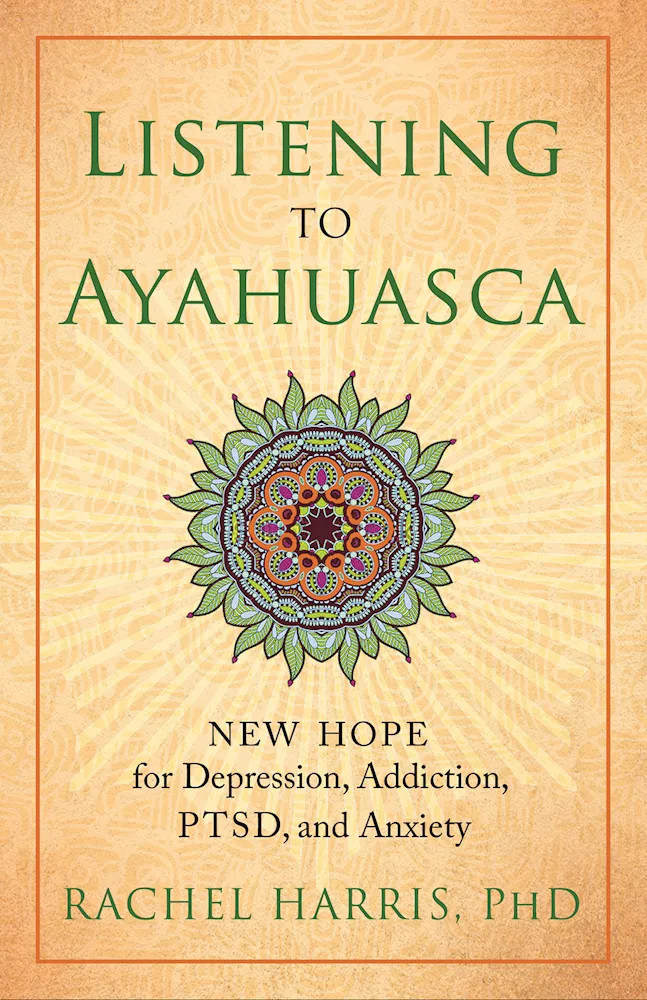
Listening to Ayahuasca
Rachel Harris (2017)
Psychologist Rachel Harris presents the findings of the largest study of ayahuasca use in North America, combined with her own experiences and clinical perspective. The book explores ayahuasca's therapeutic potential for depression, addiction, PTSD, and anxiety while providing practical guidance for those considering the experience, with a strong focus on integration.
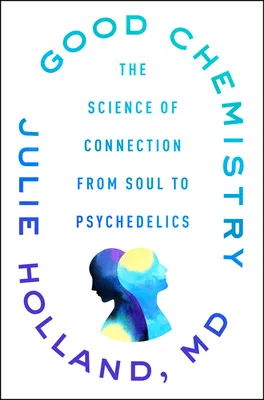
Good Chemistry
Julie Holland (2020)
Psychiatrist and MAPS clinical researcher Julie Holland explores the neuroscience of human connection — why we need it, how modern life undermines it, and how psychedelic medicines can help restore it. The book bridges oxytocin research, attachment theory, and psychedelic pharmacology to make the case that the "chemistry of connection" is the key to both individual healing and collective wellbeing.
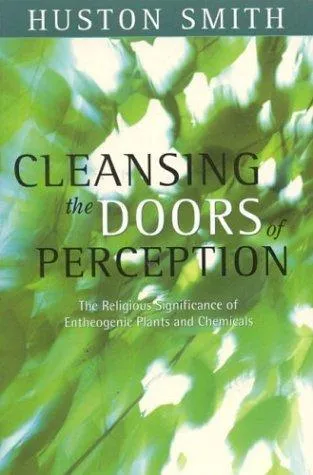
Cleansing the Doors of Perception
Huston Smith (2000)
The definitive scholarly treatment of whether psychedelic experiences qualify as authentically religious, written by the 20th century's foremost authority on comparative religion. Drawing on his personal participation in the 1962 Good Friday Experiment, his friendship with Aldous Huxley, and four decades of studying the world's spiritual traditions, Smith concludes that entheogens can trigger genuine mystical experiences but cannot by themselves produce religious lives — integration is where the real work begins.
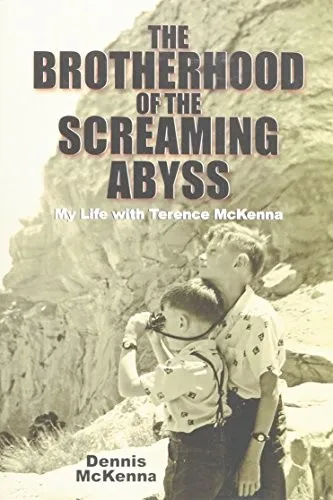
The Brotherhood of the Screaming Abyss
Dennis McKenna (2012)
Dennis McKenna's memoir of growing up with his brother Terence McKenna and their legendary 1971 expedition to La Chorrera, Colombia, where experiments with psilocybin mushrooms and ayahuasca produced experiences so extreme they challenged both brothers' understanding of reality. Equal parts love story, adventure narrative, and philosophical meditation on the nature of consciousness.
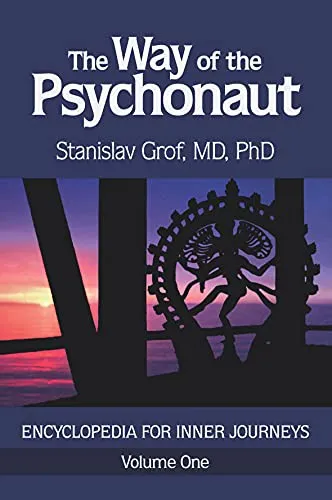
The Way of the Psychonaut
Stanislav Grof (2019)
Written in his late eighties, this is Stanislav Grof's magnum opus — a comprehensive synthesis of over sixty years of consciousness research through psychedelic-assisted therapy and Holotropic Breathwork. Volume One covers maps of the psyche, the architecture of emotional disorders, perinatal matrices, spiritual emergency, and a fundamental revision of depth psychology based on non-ordinary states of consciousness.
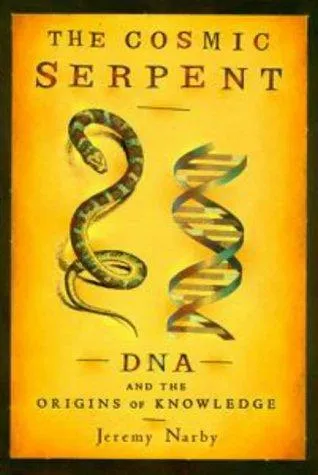
The Cosmic Serpent
Jeremy Narby (1998)
An anthropologist's account of ayahuasca among the Ashaninca of the Peruvian Amazon, and the bold hypothesis it led him to: that the twin serpents of shamanic vision and the double helix of DNA may be the same thing seen from two sides. A cult classic that has shaped how a generation thinks about plant medicine and indigenous knowledge.