Volumetric Dosing
What is volumetric dosing?
Volumetric dosing is a technique borrowed from laboratory pharmacology that allows for precise measurement of very small doses that would be impossible to weigh accurately with consumer-grade scales. The principle is simple:
- Dissolve a known quantity of substance in a known volume of liquid
- Each unit of liquid (e.g., 1 mL) now contains a calculable amount of substance
- Use a graduated syringe or pipette to measure exact doses
Example calculation:
- 100 µg of LSD dissolved in 100 mL of distilled water
- Each 1 mL = 1 µg of LSD
- A 10 µg microdose = 10 mL of solution
This method is primarily used for LSD microdosing, as psilocybin mushrooms are typically dosed by weight after homogenization.
Why it matters for microdosing
Precise dosing is essential for effective microdosing, and volumetric dosing is the gold standard for liquid or highly potent substances:
- Accuracy — consumer scales cannot reliably measure microgram quantities; volumetric dosing solves this
- Consistency — every dose is the same, eliminating the variability that comes with cutting tabs or eyeballing amounts
- Adjustability — easy to fine-tune doses in small increments (e.g., going from 8 µg to 10 µg)
- Titration — allows systematic dose-finding by making small, controlled adjustments
- Data quality — consistent dosing means your journal data is actually meaningful and comparable across sessions
How it works in practice
For LSD:
- Choose your solvent — distilled water or high-proof vodka/ethanol (alcohol preserves better)
- Place the tab in a measured volume of solvent in an amber glass bottle
- Wait — let it sit for at least 24 hours in a cool, dark place
- Calculate — if one tab is 100 µg in 100 mL, then 1 mL = 1 µg
- Measure doses — use an oral syringe (available at any pharmacy) for precise measurement
- Store properly — amber glass, refrigerated, away from light
For psilocybin (alternative method):
- Make a tea or tincture from a known weight of dried, homogenized mushroom material
- Measure total volume of the resulting liquid
- Calculate concentration and dose accordingly
What to watch out for
- Unknown tab potency — volumetric dosing is only as accurate as your knowledge of the starting material's potency; if the tab isn't actually 100 µg, your calculations will be off
- Degradation — LSD degrades with exposure to light, heat, and chlorinated water; use distilled water or alcohol, and store properly
- Chlorine — tap water contains chlorine which destroys LSD; always use distilled water
- Uneven distribution — shake the solution gently before each dose to ensure even distribution
- Syringe accuracy — use graduated oral syringes, not kitchen measuring tools
Related Terms
Recommended Books
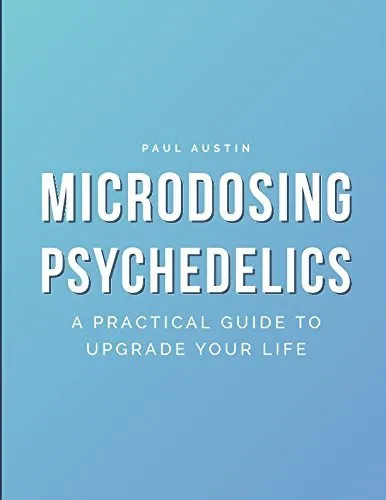
Microdosing Psychedelics
Paul Austin (2018)
A hands-on guide to microdosing protocols for LSD, psilocybin, mescaline, and other substances. Covers scheduling, safety, sourcing, and practical applications for creativity, performance, and well-being.
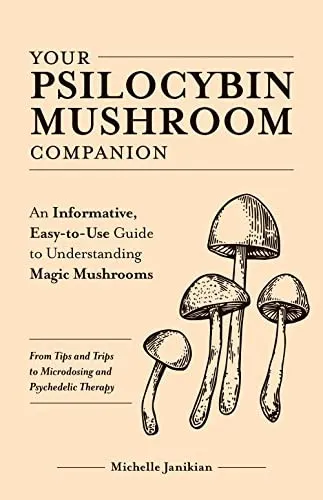
Your Psilocybin Mushroom Companion
Michelle Janikian (2019)
A comprehensive, beginner-friendly guide to psilocybin mushrooms covering everything from planning safe trips and training guides to microdosing protocols and psychedelic therapy. Journalist Michelle Janikian pairs the latest research with practical, step-by-step advice for both newcomers and experienced users, emphasizing harm reduction throughout.
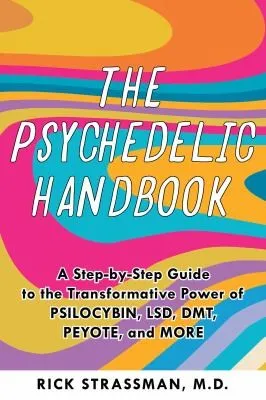
The Psychedelic Handbook
Rick Strassman (2022)
A comprehensive, evidence-based practical guide covering nine psychedelic substance classes — psilocybin, LSD, DMT/ayahuasca, mescaline, ketamine, MDMA, ibogaine, 5-MeO-DMT, and Salvia divinorum — written by the clinical researcher who conducted the first FDA-approved psychedelic study in a generation. Each chapter addresses pharmacology, therapeutic potential, safe use guidelines, microdosing, and recognition of adverse reactions.