Sub-Perceptual Dose
What is a sub-perceptual dose?
A sub-perceptual dose is an amount of a psychedelic substance that falls below the threshold of obvious conscious awareness. You shouldn't see visual distortions, feel intoxicated, or experience significant cognitive impairment. Instead, the effects — if any — are subtle: a slight lift in mood, a gentle sharpening of focus, or a marginally greater sense of presence.
The term "sub-perceptual" literally means "below perception." Some researchers prefer the term "sub-hallucinogenic" since users may still perceive subtle shifts in awareness, emotional tone, or sensory sensitivity — the dose is sub-hallucinogenic but not necessarily imperceptible.
Why it matters for microdosing
The sub-perceptual dose is the defining boundary of microdosing. Cross it, and you're no longer microdosing — you're taking a low recreational dose, which can impair your ability to function normally at work, in social situations, or while driving.
Staying sub-perceptual means:
- You can go about your normal day without anyone noticing
- You maintain full cognitive function and motor control
- The effects integrate naturally into your experience rather than dominating it
- You avoid the emotional and perceptual intensity of a "trip"
How to find your sub-perceptual sweet spot
Start low
Begin with the lowest commonly suggested dose for your substance:
- Psilocybin mushrooms: 0.05–0.1 g dried
- LSD: 5–10 µg
- 1P-LSD: 5–10 µg
Increase gradually
If you feel nothing after 2–3 sessions, increase by the smallest practical increment (e.g., 0.025 g for mushrooms, 2.5 µg for LSD). This process is called titration.
The "sweet spot" test
Your ideal dose should feel like:
- ✅ A good day, but slightly better than usual
- ✅ You can work, drive, and interact normally
- ✅ You might notice subtle improvements only in retrospect
- ❌ Not: feeling "high," seeing patterns, difficulty concentrating
Track it
Use a dose log to record the exact amount and your subjective experience each session. Over 2–3 weeks, patterns will emerge.
Common mistakes
- Taking too much, too soon — Enthusiasm often leads people to start with doses that are actually perceptual. Always err on the low side.
- Confusing "feeling good" with "feeling the drug" — If you're noticeably altered, you've overshot. A good microdose is almost boringly subtle.
- Ignoring potency variation — Two batches of mushrooms can have wildly different psilocybin content. Always homogenize and re-titrate with new material.
- Expecting immediate effects — Some people notice benefits only after several sessions or upon reviewing their tracking data over weeks.
The perception paradox
Here's the tricky part: if the dose is truly sub-perceptual, how do you know it's working?
This is where systematic tracking becomes essential. Instead of relying on "how you feel right now," you compare patterns across dosing days, off-days, and baseline measurements over weeks. The signal often only becomes visible in the aggregate data — not in the moment.
This is also why the placebo effect is such a major factor in microdosing research. When effects are this subtle, expectation can easily fill in the gaps.
Related Terms
Recommended Books
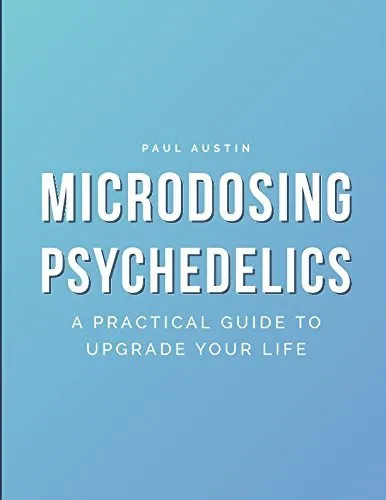
Microdosing Psychedelics
Paul Austin (2018)
A hands-on guide to microdosing protocols for LSD, psilocybin, mescaline, and other substances. Covers scheduling, safety, sourcing, and practical applications for creativity, performance, and well-being.
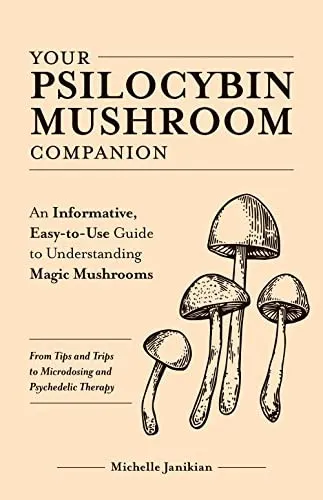
Your Psilocybin Mushroom Companion
Michelle Janikian (2019)
A comprehensive, beginner-friendly guide to psilocybin mushrooms covering everything from planning safe trips and training guides to microdosing protocols and psychedelic therapy. Journalist Michelle Janikian pairs the latest research with practical, step-by-step advice for both newcomers and experienced users, emphasizing harm reduction throughout.
The Psychedelic Handbook
Rick Strassman (2022)
A comprehensive, evidence-based practical guide covering nine psychedelic substance classes — psilocybin, LSD, DMT/ayahuasca, mescaline, ketamine, MDMA, ibogaine, 5-MeO-DMT, and Salvia divinorum — written by the clinical researcher who conducted the first FDA-approved psychedelic study in a generation. Each chapter addresses pharmacology, therapeutic potential, safe use guidelines, microdosing, and recognition of adverse reactions.
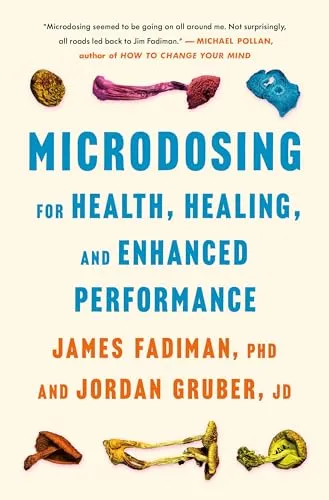
Microdosing for Health, Healing, and Enhanced Performance
James Fadiman, Jordan Gruber (2025)
The long-awaited follow-up to The Psychedelic Explorer's Guide, written by the man whose name is on the most widely used microdosing protocol. Fadiman and Gruber distil over a decade of self-reports from thousands of microdosers, alongside the latest clinical research, into the most complete book on the practice to date.