Titration
What is titration?
Titration is a term borrowed from chemistry and pharmacology that refers to the systematic, incremental adjustment of dosage to achieve the desired effect while minimizing side effects. In clinical medicine, titration is standard practice — starting with a low dose and gradually increasing until the therapeutic target is reached.
The key principles:
- Start low — begin with a dose well below what you expect to need
- Go slow — make small adjustments with adequate time between changes
- Observe carefully — document effects at each dose level
- Find your sweet spot — the optimal dose where benefits are maximized and unwanted effects are absent
Why it matters for microdosing
Titration is the most important practical skill for new microdosers because:
- Individual variation — optimal doses vary significantly between individuals due to body weight, metabolism, sensitivity, and genetics
- Material variation — potency varies between batches, sources, and even individual mushrooms
- Sub-perceptual target — the goal is to find the dose that produces benefits without noticeable psychoactive effects; this requires precision
- Safety — starting low and going slow minimizes the risk of accidentally taking too much
How it works in practice
Typical titration protocol for psilocybin:
- Start at 50 mg dried mushroom powder (well below most people's threshold)
- Increase by 25–50 mg per dose day
- Journal each session — rate mood, energy, focus, and any perceptual changes
- If you notice perceptual effects — you've gone too far; step back one increment
- Your optimal dose is typically one step below where you first notice effects
Typical titration protocol for LSD:
- Start at 5 µg using volumetric dosing
- Increase by 2–3 µg per dose day
- Follow the same observation process as above
- Common sweet spot falls between 6–15 µg for most people
What to watch out for
- Impatience — the desire to "feel something" can lead to increasing doses too quickly; remember, sub-perceptual is the goal
- Confounding variables — sleep, stress, diet, and other factors affect how you feel; don't attribute everything to the dose
- Tolerance — if you're adjusting dose during an active protocol, remember that tolerance develops; take this into account
- One variable at a time — don't change dose AND protocol timing simultaneously; you won't know which change caused which effect
Related Terms
Recommended Books
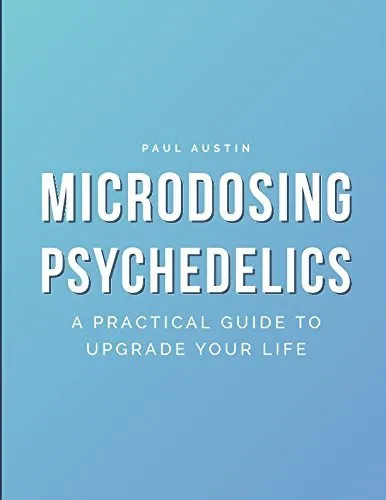
Microdosing Psychedelics
Paul Austin (2018)
A hands-on guide to microdosing protocols for LSD, psilocybin, mescaline, and other substances. Covers scheduling, safety, sourcing, and practical applications for creativity, performance, and well-being.

PiHKAL: A Chemical Love Story
Alexander Shulgin, Ann Shulgin (1991)
The most iconic book in psychedelic chemistry — part intimate love story memoir, part encyclopedic reference documenting 179 phenethylamine compounds with synthesis routes, precise dosage ranges, durations, and first-person experience reports. Written by Alexander "Sasha" Shulgin, who personally synthesized and bioassayed over 230 novel psychoactive compounds including popularizing MDMA for psychotherapy.
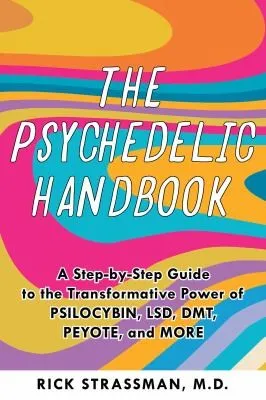
The Psychedelic Handbook
Rick Strassman (2022)
A comprehensive, evidence-based practical guide covering nine psychedelic substance classes — psilocybin, LSD, DMT/ayahuasca, mescaline, ketamine, MDMA, ibogaine, 5-MeO-DMT, and Salvia divinorum — written by the clinical researcher who conducted the first FDA-approved psychedelic study in a generation. Each chapter addresses pharmacology, therapeutic potential, safe use guidelines, microdosing, and recognition of adverse reactions.
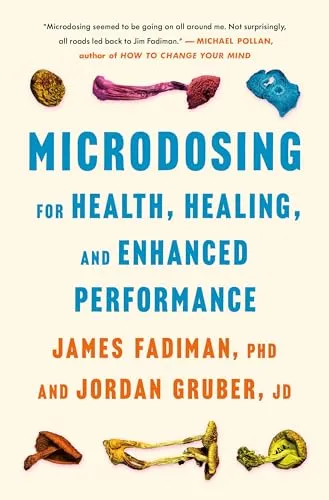
Microdosing for Health, Healing, and Enhanced Performance
James Fadiman, Jordan Gruber (2025)
The long-awaited follow-up to The Psychedelic Explorer's Guide, written by the man whose name is on the most widely used microdosing protocol. Fadiman and Gruber distil over a decade of self-reports from thousands of microdosers, alongside the latest clinical research, into the most complete book on the practice to date.