Serotonin Syndrome
What is serotonin syndrome?
Serotonin syndrome is a medical emergency that occurs when there is too much serotonin activity in the central and peripheral nervous system. It typically results from combining two or more substances that increase serotonin signaling through different mechanisms.
Serotonin syndrome ranges from mild (discomfort) to life-threatening (organ failure) and requires immediate medical attention in severe cases.
Symptoms
Mild
- Agitation and restlessness
- Tremor (especially in hands)
- Dilated pupils
- Diarrhea
- Rapid heart rate
- Increased sweating
- Muscle twitching (myoclonus)
Moderate
- All mild symptoms intensified
- High blood pressure
- Hyperthermia (elevated body temperature)
- Hyperreflexia (exaggerated reflexes)
- Clonus (involuntary rhythmic muscle contractions, especially in ankles)
- Confusion and disorientation
Severe (life-threatening)
- Temperature above 41°C (106°F)
- Seizures
- Irregular heartbeat
- Rhabdomyolysis (muscle breakdown)
- Organ failure
- Loss of consciousness
If you or someone you're with shows moderate to severe symptoms, seek emergency medical care immediately.
The risk in microdosing context
Classical psychedelics alone
Classical psychedelics (psilocybin, LSD) at microdose levels have a very low risk of causing serotonin syndrome on their own because:
- They are receptor agonists (they activate receptors directly) rather than serotonin releasers
- At microdose levels, receptor activation is minimal
- They don't significantly increase overall serotonin levels in the synapse
The dangerous combinations
Serotonin syndrome risk increases dramatically when psychedelics are combined with:
HIGH RISK:
- MAOIs (monoamine oxidase inhibitors) — dramatically increase serotonin by preventing its breakdown. Combining MAOIs with psychedelics is the most dangerous common interaction.
- Lithium — can cause seizures and serotonin-related complications with psychedelics. Absolute contraindication.
MODERATE RISK:
- SSRIs (fluoxetine, sertraline, etc.) — increase synaptic serotonin. Risk with microdose psychedelics is theoretically low but not zero.
- SNRIs (venlafaxine, duloxetine) — similar mechanism to SSRIs
- Tramadol — opioid with serotonergic properties
- St. John's Wort — herbal supplement with serotonergic activity
- MDMA — serotonin releaser; risk is higher than with classical psychedelics
LOWER RISK (but not zero):
- Triptans (migraine medications) — act on serotonin receptors
- Dextromethorphan (cough suppressant) — weak serotonin reuptake inhibitor
- 5-HTP / L-tryptophan — serotonin precursor supplements
What to do
Prevention
- Know your medications — make a complete list of everything you take, including supplements
- Research interactions — check every medication for serotonergic properties
- Consult a professional — especially if you're on any psychiatric medication
- Don't combine serotonergic substances without expert guidance
- Observe washout periods — when switching from one serotonergic substance to another
If symptoms appear
- Stop all serotonergic substances immediately
- Seek medical attention — especially if symptoms are moderate or severe
- Tell medical staff exactly what you took, when, and how much (don't withhold information out of fear of legal consequences — medical staff are there to help you, and your health comes first)
- Cool down — remove excess clothing, apply cool cloths if body temperature is elevated
- Hydrate — drink water if conscious and able to swallow
Medical treatment
In clinical settings, serotonin syndrome is treated with:
- Cyproheptadine — a serotonin antagonist that blocks excess serotonin activity
- Benzodiazepines — for agitation and muscle rigidity
- Active cooling — for hyperthermia
- IV fluids — for hydration and temperature management
Related Terms
Recommended Books
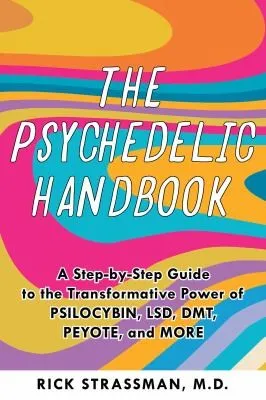
The Psychedelic Handbook
Rick Strassman (2022)
A comprehensive, evidence-based practical guide covering nine psychedelic substance classes — psilocybin, LSD, DMT/ayahuasca, mescaline, ketamine, MDMA, ibogaine, 5-MeO-DMT, and Salvia divinorum — written by the clinical researcher who conducted the first FDA-approved psychedelic study in a generation. Each chapter addresses pharmacology, therapeutic potential, safe use guidelines, microdosing, and recognition of adverse reactions.
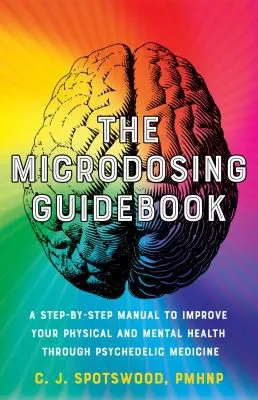
The Microdosing Guidebook
C. J. Spotswood (2022)
A hands-on workbook on microdosing written by a psychiatric nurse practitioner with two decades of clinical experience. Spotswood combines a plain-language summary of the research with worksheets, intention-setting exercises and a guided journal for tracking your own protocol.