Contraindication
What is a contraindication?
A contraindication is any condition, factor, or circumstance that serves as a reason to withhold a certain medical treatment, substance, or practice because it could be harmful. In pharmacology, contraindications are categorized as:
- Absolute contraindications: The substance must NOT be used under any circumstances (e.g., psilocybin with lithium)
- Relative contraindications: The substance may be used with caution, weighing risks against potential benefits
Contraindications can be based on existing medical conditions, concurrent medications, pregnancy, family history, or psychological state.
Why it matters for microdosing
Understanding contraindications is one of the most critical aspects of safe microdosing. Key contraindications for psilocybin and other classical psychedelics include:
- Lithium and other mood stabilizers — documented risk of seizures when combined with psychedelics
- SSRIs and SNRIs — can reduce efficacy and, in rare cases, contribute to serotonin syndrome
- Personal or family history of psychosis or schizophrenia — psychedelics may trigger or worsen psychotic episodes
- Severe cardiovascular conditions — psilocybin can temporarily affect heart rate and blood pressure
- Pregnancy and breastfeeding — insufficient safety data
How it works in practice
Before starting any microdosing protocol, you should:
- Review your current medications — especially psychiatric medications, MAOIs, and heart medications
- Assess your mental health history — including family history of psychotic disorders
- Consult a healthcare professional — ideally one familiar with psychedelic medicine
- Research interactions — use reliable pharmacological resources, not just anecdotal reports
What to watch out for
- "Natural means safe" fallacy — psilocybin mushrooms are natural, but still have real pharmacological interactions
- Self-discontinuation of prescribed medication — never stop psychiatric medication to microdose without medical guidance
- Incomplete self-assessment — be honest with yourself about your medical and psychological history
Related Terms
Recommended Books
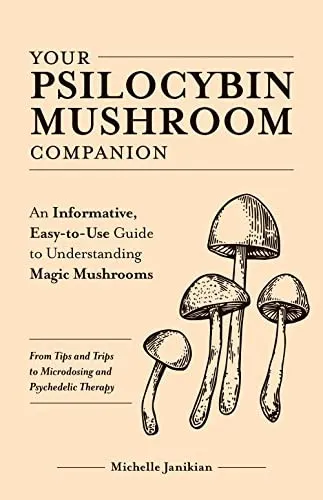
Your Psilocybin Mushroom Companion
Michelle Janikian (2019)
A comprehensive, beginner-friendly guide to psilocybin mushrooms covering everything from planning safe trips and training guides to microdosing protocols and psychedelic therapy. Journalist Michelle Janikian pairs the latest research with practical, step-by-step advice for both newcomers and experienced users, emphasizing harm reduction throughout.
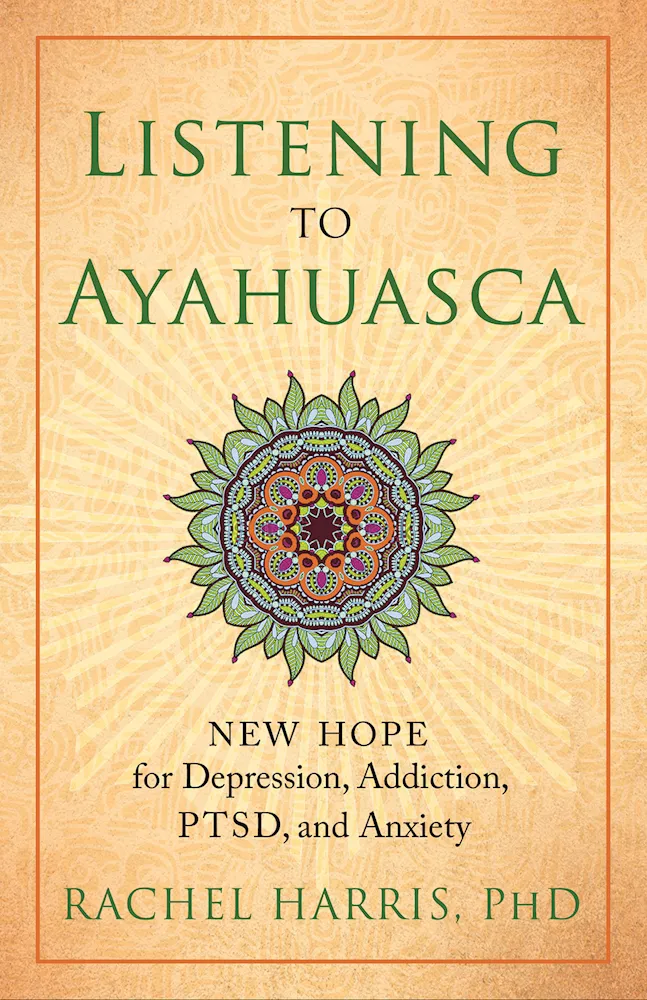
Listening to Ayahuasca
Rachel Harris (2017)
Psychologist Rachel Harris presents the findings of the largest study of ayahuasca use in North America, combined with her own experiences and clinical perspective. The book explores ayahuasca's therapeutic potential for depression, addiction, PTSD, and anxiety while providing practical guidance for those considering the experience, with a strong focus on integration.
The Psychedelic Handbook
Rick Strassman (2022)
A comprehensive, evidence-based practical guide covering nine psychedelic substance classes — psilocybin, LSD, DMT/ayahuasca, mescaline, ketamine, MDMA, ibogaine, 5-MeO-DMT, and Salvia divinorum — written by the clinical researcher who conducted the first FDA-approved psychedelic study in a generation. Each chapter addresses pharmacology, therapeutic potential, safe use guidelines, microdosing, and recognition of adverse reactions.
The Microdosing Guidebook
C. J. Spotswood (2022)
A hands-on workbook on microdosing written by a psychiatric nurse practitioner with two decades of clinical experience. Spotswood combines a plain-language summary of the research with worksheets, intention-setting exercises and a guided journal for tracking your own protocol.