Drug Interaction
What is a drug interaction?
A drug interaction occurs when the effects of one substance are altered by the presence of another — whether that's a prescription medication, over-the-counter drug, supplement, or recreational substance. Interactions can be:
- Synergistic — the combined effect is greater than either substance alone
- Antagonistic — one substance reduces or blocks the effect of the other
- Metabolic — one substance affects how the body processes the other (through liver enzymes like CYP450)
Drug interactions can be beneficial (intentionally combining substances for greater therapeutic effect) or harmful (unexpected side effects, toxicity, or reduced efficacy).
Why it matters for microdosing
Psilocybin and other classical psychedelics interact with the serotonin system, which is also the target of many common medications. Understanding these interactions is essential for safety:
| Medication Class | Interaction Type | Risk Level |
|---|---|---|
| SSRIs (fluoxetine, sertraline) | Reduced psychedelic effect, serotonin risk | Moderate |
| Lithium | Seizure risk | High |
| MAOIs | Dramatically increased potency | High |
| Tramadol | Seizure and serotonin syndrome risk | High |
| Cannabis | Unpredictable amplification | Low–Moderate |
| Caffeine | Mild anxiety amplification | Low |
How it works in practice
- Make a complete list of everything you take — prescription, OTC, supplements, and recreational substances
- Research each combination — use resources like TripSit interaction charts or consult a pharmacist
- Consider timing — some interactions depend on when substances are taken relative to each other
- Start with awareness — even "mild" interactions can be significant at the individual level
What to watch out for
- Supplement blind spots — St. John's Wort, 5-HTP, and tryptophan all affect serotonin and can interact with psychedelics
- Grapefruit effect — grapefruit juice inhibits CYP3A4 enzymes and can affect psilocin metabolism
- Alcohol — while not a dangerous interaction per se, it can muddy the microdosing experience and self-assessment
- Timing matters — residual effects of medications can persist even after discontinuation (see: Washout Period)
Related Terms
Recommended Books
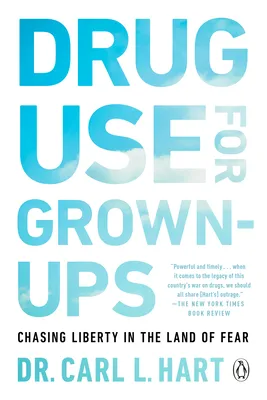
Drug Use for Grown-Ups
Carl L. Hart (2021)
Columbia University professor Carl Hart argues from decades of pharmacological research that the criminalization of drugs — not drugs themselves — causes the greatest harm. A provocative, evidence-based case for responsible adult drug use and rational drug policy.
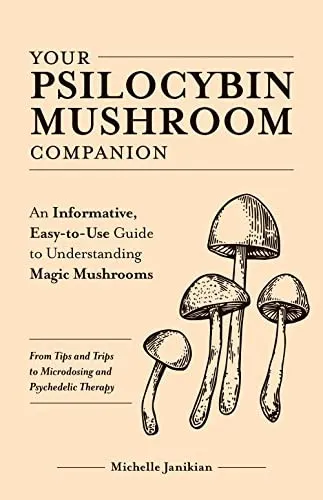
Your Psilocybin Mushroom Companion
Michelle Janikian (2019)
A comprehensive, beginner-friendly guide to psilocybin mushrooms covering everything from planning safe trips and training guides to microdosing protocols and psychedelic therapy. Journalist Michelle Janikian pairs the latest research with practical, step-by-step advice for both newcomers and experienced users, emphasizing harm reduction throughout.
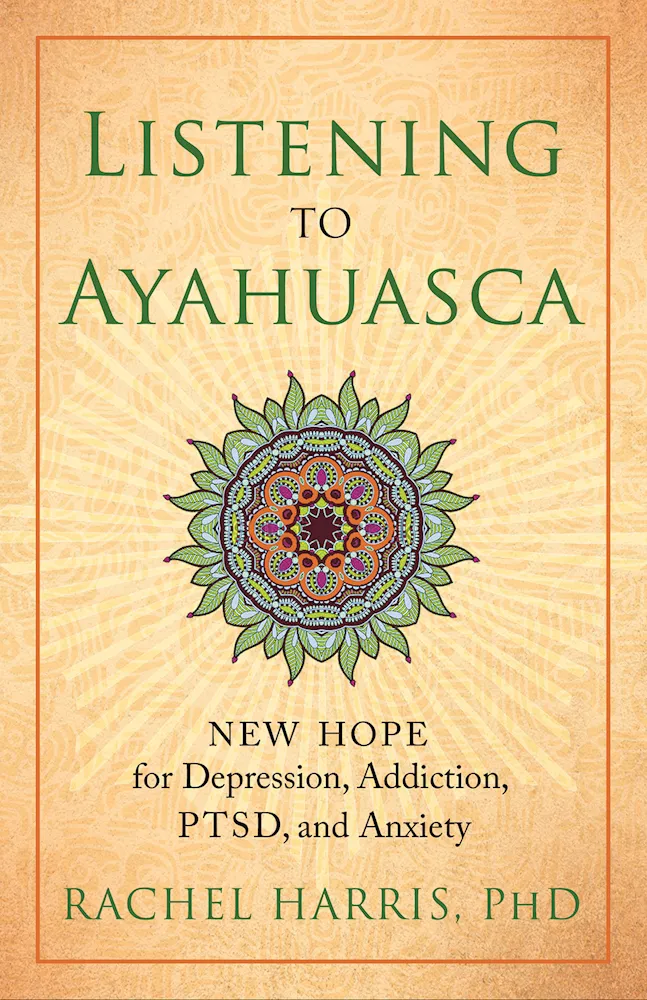
Listening to Ayahuasca
Rachel Harris (2017)
Psychologist Rachel Harris presents the findings of the largest study of ayahuasca use in North America, combined with her own experiences and clinical perspective. The book explores ayahuasca's therapeutic potential for depression, addiction, PTSD, and anxiety while providing practical guidance for those considering the experience, with a strong focus on integration.
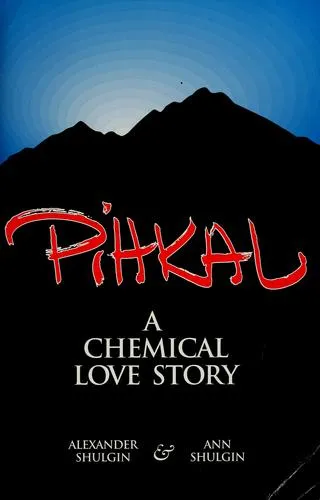
PiHKAL: A Chemical Love Story
Alexander Shulgin, Ann Shulgin (1991)
The most iconic book in psychedelic chemistry — part intimate love story memoir, part encyclopedic reference documenting 179 phenethylamine compounds with synthesis routes, precise dosage ranges, durations, and first-person experience reports. Written by Alexander "Sasha" Shulgin, who personally synthesized and bioassayed over 230 novel psychoactive compounds including popularizing MDMA for psychotherapy.
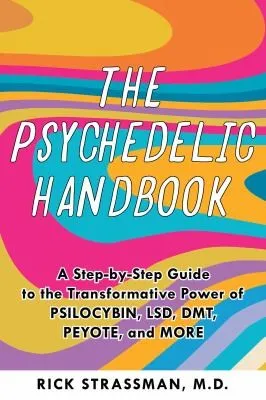
The Psychedelic Handbook
Rick Strassman (2022)
A comprehensive, evidence-based practical guide covering nine psychedelic substance classes — psilocybin, LSD, DMT/ayahuasca, mescaline, ketamine, MDMA, ibogaine, 5-MeO-DMT, and Salvia divinorum — written by the clinical researcher who conducted the first FDA-approved psychedelic study in a generation. Each chapter addresses pharmacology, therapeutic potential, safe use guidelines, microdosing, and recognition of adverse reactions.
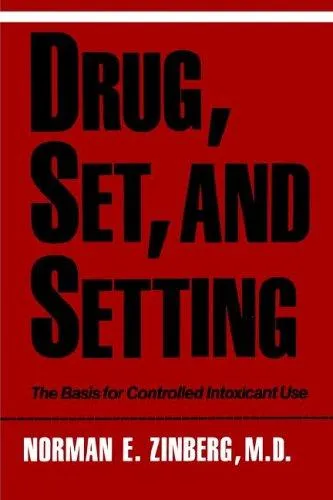
Drug, Set, and Setting
Norman E. Zinberg (1984)
The foundational academic text on controlled drug use, written by Harvard psychiatrist Norman Zinberg, which established the theoretical framework that drug outcomes are determined not just by pharmacology ("drug") but equally by the user's mindset ("set") and their social and physical environment ("setting"). This book provided the scientific basis for the harm-reduction approach that now underpins all responsible psychedelic practice, including microdosing protocols.