Serotonin (5-HT)
What is serotonin?
Serotonin (chemically known as 5-hydroxytryptamine or 5-HT) is one of the brain's most important neurotransmitters — chemical messengers that carry signals between neurons. Despite being popularly known as the "happiness chemical," serotonin's role is far more complex and wide-ranging.
Serotonin is involved in regulating:
- Mood and emotional state — the most publicized function
- Sleep-wake cycles — serotonin is a precursor to melatonin
- Appetite and digestion — ~95% of serotonin is produced in the gut
- Cognition and memory — attention, learning, decision-making
- Pain perception — modulation of pain signals
- Body temperature — thermoregulation
- Sexual function — desire, arousal, orgasm
- Blood clotting — serotonin stored in platelets aids clotting
Serotonin and psychedelics
The fundamental connection
Classical psychedelics (psilocybin, LSD, DMT, mescaline) produce their effects by mimicking serotonin at specific receptor sites — particularly the 5-HT2A receptor. They are structurally similar enough to serotonin to bind to its receptors, but they activate those receptors in different ways, producing the characteristic psychedelic effects.
Structural similarity
Psilocin (the active form of psilocybin) and DMT are tryptamine derivatives — they share the same basic chemical backbone as serotonin. LSD, while more structurally complex, also contains the tryptamine core. Mescaline is a phenethylamine but still acts on serotonin receptors.
The serotonin receptor family
There are at least 14 distinct serotonin receptor subtypes grouped into 7 families (5-HT1 through 5-HT7). Psychedelics interact with several of these, but the 5-HT2A subtype is the critical one for psychedelic effects.
Serotonin, SSRIs, and microdosing
How SSRIs work
Selective serotonin reuptake inhibitors (SSRIs) — the most commonly prescribed antidepressants — work by blocking the reuptake (recycling) of serotonin at synapses. This increases the amount of serotonin available in the synaptic cleft.
The SSRI-psychedelic interaction
Chronic SSRI use affects the psychedelic response in several ways:
- Receptor downregulation — Increased serotonin availability causes 5-HT2A receptors to downregulate, reducing the number of targets for psychedelics
- Blunted effects — Many people on SSRIs report that microdoses feel weaker or ineffective
- Safety concerns — Combining serotonergic substances carries a theoretical risk of serotonin syndrome, though this risk appears low with classical psychedelics at microdose levels
- Washout considerations — Discontinuing SSRIs to try microdosing requires medical supervision and a proper washout period
Important safety note
Never discontinue prescribed SSRIs without medical guidance. SSRI withdrawal can be severe and dangerous. If you're interested in microdosing while on SSRIs, consult a healthcare provider familiar with both treatments.
The serotonin myth
The popular narrative that depression is caused by "low serotonin" is an oversimplification that has been increasingly challenged. While serotonin clearly plays a role in mood regulation, depression is far more complex than a simple chemical imbalance.
This matters for microdosing because:
- The benefits of psychedelics likely extend beyond simple serotonin modulation
- Neuroplasticity, default mode network changes, and psychological factors are equally important
- Framing microdosing as "boosting serotonin" misrepresents both the problem and the solution
Related Terms
Recommended Books
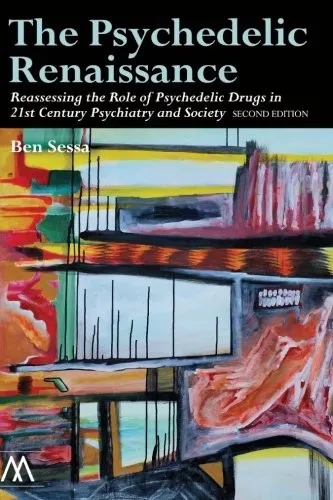
The Psychedelic Renaissance
Ben Sessa (2017)
A psychiatrist and clinical researcher who has personally conducted MDMA and psilocybin therapy trials provides a thorough overview of psychedelic science, history, pharmacology, and clinical potential. Extensively revised for the 2017 second edition, the book surveys every major psychedelic substance and its evidence base for treating psychiatric disorders.
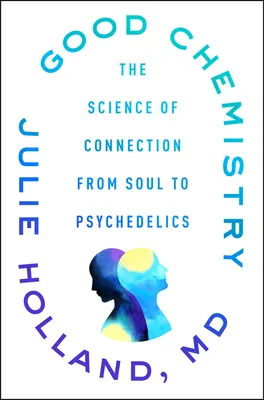
Good Chemistry
Julie Holland (2020)
Psychiatrist and MAPS clinical researcher Julie Holland explores the neuroscience of human connection — why we need it, how modern life undermines it, and how psychedelic medicines can help restore it. The book bridges oxytocin research, attachment theory, and psychedelic pharmacology to make the case that the "chemistry of connection" is the key to both individual healing and collective wellbeing.