HPPD (Hallucinogen Persisting Perception Disorder)
What is HPPD?
HPPD (Hallucinogen Persisting Perception Disorder) is a recognized clinical condition in which individuals continue to experience perceptual disturbances — such as visual snow, halos around objects, trailing images, or geometric patterns — weeks, months, or even years after their last psychedelic use. It is classified in the DSM-5 and affects a small percentage of psychedelic users.
There are two subtypes:
- Type 1 (Flashback type): Brief, episodic re-experiencing of perceptual disturbances
- Type 2 (Chronic type): Persistent, ongoing visual disturbances that can significantly impact quality of life
The exact mechanism is not fully understood, but it may involve lasting changes in how the visual cortex processes information, particularly related to serotonin receptor activity.
Why it matters for microdosing
Although HPPD is more commonly associated with full-dose psychedelic experiences, it is important for microdosers to be aware of this condition. Even sub-perceptual doses involve interaction with the same receptor systems. People with a personal or family history of perceptual disturbances should exercise extra caution.
Awareness of HPPD is a key component of harm reduction — understanding that psychedelics, even at low doses, are not entirely without risk.
What to watch out for
- Pre-existing visual disturbances — if you already notice visual snow or afterimages, microdosing may not be appropriate
- Frequency of dosing — not respecting off-days and protocols can increase risk
- Cannabis combination — some reports suggest cannabis can trigger or worsen HPPD symptoms
- Anxiety amplification — worrying about HPPD can create a feedback loop with normal visual phenomena
- If you notice persistent visual changes, stop microdosing immediately and consult a healthcare professional
Related Terms
Recommended Books
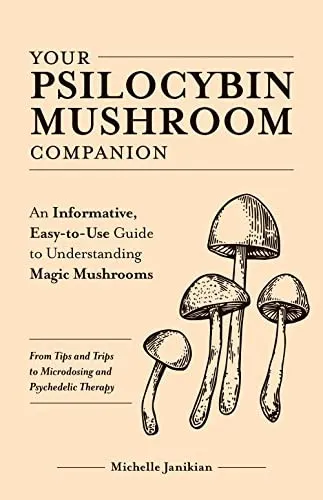
Your Psilocybin Mushroom Companion
Michelle Janikian (2019)
A comprehensive, beginner-friendly guide to psilocybin mushrooms covering everything from planning safe trips and training guides to microdosing protocols and psychedelic therapy. Journalist Michelle Janikian pairs the latest research with practical, step-by-step advice for both newcomers and experienced users, emphasizing harm reduction throughout.
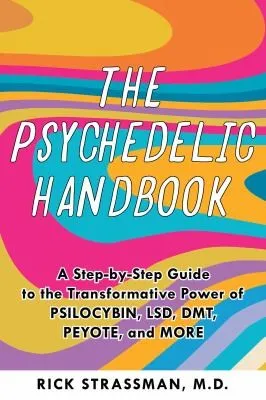
The Psychedelic Handbook
Rick Strassman (2022)
A comprehensive, evidence-based practical guide covering nine psychedelic substance classes — psilocybin, LSD, DMT/ayahuasca, mescaline, ketamine, MDMA, ibogaine, 5-MeO-DMT, and Salvia divinorum — written by the clinical researcher who conducted the first FDA-approved psychedelic study in a generation. Each chapter addresses pharmacology, therapeutic potential, safe use guidelines, microdosing, and recognition of adverse reactions.