Intention
What is an intention?
An intention is a deliberate, clearly stated purpose that you set before a microdosing session or protocol. It's not a rigid goal or a wish list — it's a gentle compass that orients your awareness and gives your practice direction.
Think of the difference between:
- Goal: "I will write 2,000 words today" (outcome-focused, rigid)
- Intention: "I want to approach my writing with curiosity and openness" (process-focused, flexible)
Intentions work at the level of orientation, not achievement. They prime your brain to notice certain things and engage with your experience in a particular way.
Why intentions matter in microdosing
1. They activate the "set" in set and setting
Your intention is the most controllable component of your mindset. While you can't always control your mood or anxiety levels, you can always set an intention.
2. They provide a tracking reference point
Without an intention, it's hard to evaluate your practice. "Did today go well?" is vague. "Was I more present in conversations today?" is assessable.
3. They may enhance neuroplasticity
Research on psychedelics and neuroplasticity suggests that having a direction for neural change may help the brain reorganize more effectively. Intention functions like a template for the new neural pathways.
4. They counteract the placebo trap
Ironically, specific intentions can help you distinguish real effects from placebo. Instead of a vague expectation that "things will be better," you're looking for something specific — which is either present or not.
Types of microdosing intentions
Awareness intentions
Focused on noticing rather than changing:
- "I want to notice my emotional reactions without judging them"
- "I want to be more aware of my body's signals today"
- "I want to observe my thought patterns during creative work"
Growth intentions
Focused on personal development:
- "I want to approach difficult conversations with more empathy"
- "I want to be less reactive when stress hits"
- "I want to explore what's behind my resistance to [specific thing]"
Performance intentions
Focused on functional enhancement:
- "I want to enter a flow state during my deep work block"
- "I want to bring fresh perspectives to today's brainstorming session"
- "I want to be fully present during this afternoon's meetings"
Healing intentions
Focused on emotional processing:
- "I want to sit with my grief today without running from it"
- "I want to explore my relationship with [a specific fear or pattern]"
- "I want to practice self-compassion when my inner critic shows up"
How to set effective intentions
1. Be specific but not rigid
- ❌ "I want today to be amazing" (too vague)
- ❌ "I will eliminate my anxiety today" (too rigid and unrealistic)
- ✅ "I want to notice what triggers my anxiety and respond with curiosity"
2. Use "I want to..." or "I'm open to..." language
This creates an orientation without pressure.
3. Write it down
The act of writing engages different neural processes than just thinking. Write your intention in your dose log or journal.
4. Keep it singular
One intention per session is usually enough. Multiple intentions dilute focus.
5. Revisit at day's end
During your evening reflection, return to your intention: Did I notice what I intended to notice? What surprised me?
Intention-setting ritual example
A simple 2-minute morning practice before taking your microdose:
- Pause — Sit quietly for 30 seconds. Take three slow breaths.
- Check in — How do I feel right now? What's on my mind?
- Set — Complete this sentence: "Today, I'm open to..."
- Write — Record your intention in your journal or tracking app
- Take your dose — With awareness of your intention
Related Terms
Recommended Books
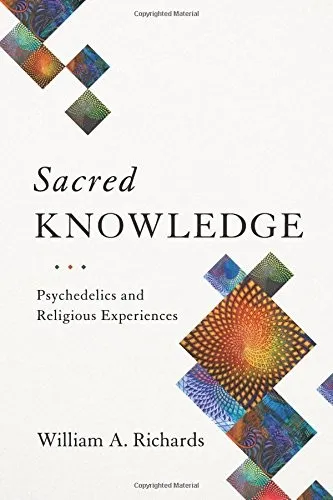
Sacred Knowledge
William A. Richards (2015)
Drawing on nearly three decades of legal psychedelic research at Johns Hopkins, Bill Richards bridges neuroscience, clinical psychology, theology, and mystical experience in the most sophisticated account of psychedelic spirituality available.
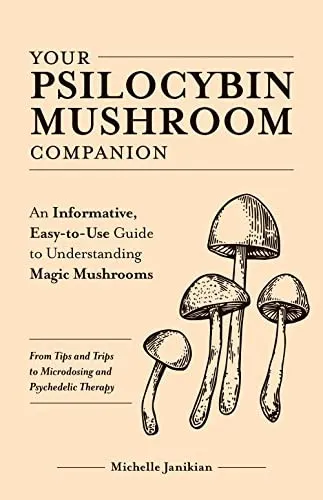
Your Psilocybin Mushroom Companion
Michelle Janikian (2019)
A comprehensive, beginner-friendly guide to psilocybin mushrooms covering everything from planning safe trips and training guides to microdosing protocols and psychedelic therapy. Journalist Michelle Janikian pairs the latest research with practical, step-by-step advice for both newcomers and experienced users, emphasizing harm reduction throughout.
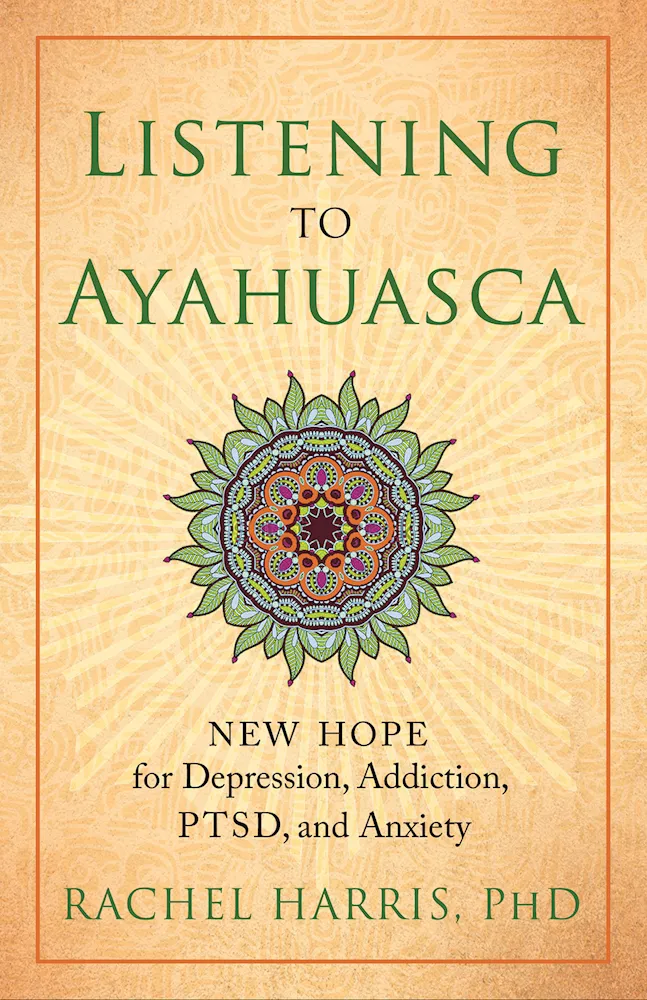
Listening to Ayahuasca
Rachel Harris (2017)
Psychologist Rachel Harris presents the findings of the largest study of ayahuasca use in North America, combined with her own experiences and clinical perspective. The book explores ayahuasca's therapeutic potential for depression, addiction, PTSD, and anxiety while providing practical guidance for those considering the experience, with a strong focus on integration.
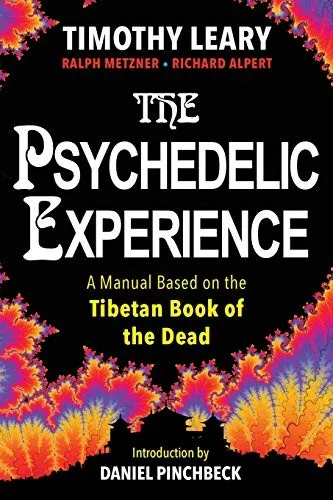
The Psychedelic Experience
Timothy Leary, Ralph Metzner, Richard Alpert (1964)
The foundational manual for navigating psychedelic experiences, reinterpreting the Tibetan Book of the Dead as a framework for ego dissolution, bardo states, and re-entry during LSD and psilocybin sessions. Written by the three Harvard researchers who launched the modern psychedelic movement, it established the concepts of preparation, set and setting, and guided sessions that remain central to all psychedelic practice today.
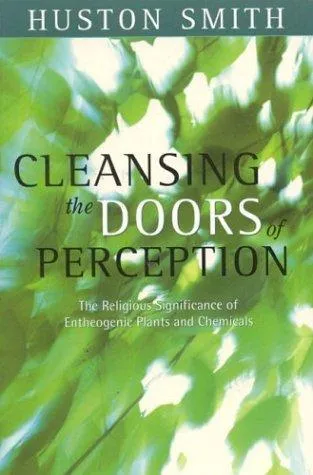
Cleansing the Doors of Perception
Huston Smith (2000)
The definitive scholarly treatment of whether psychedelic experiences qualify as authentically religious, written by the 20th century's foremost authority on comparative religion. Drawing on his personal participation in the 1962 Good Friday Experiment, his friendship with Aldous Huxley, and four decades of studying the world's spiritual traditions, Smith concludes that entheogens can trigger genuine mystical experiences but cannot by themselves produce religious lives — integration is where the real work begins.

The Brotherhood of the Screaming Abyss
Dennis McKenna (2012)
Dennis McKenna's memoir of growing up with his brother Terence McKenna and their legendary 1971 expedition to La Chorrera, Colombia, where experiments with psilocybin mushrooms and ayahuasca produced experiences so extreme they challenged both brothers' understanding of reality. Equal parts love story, adventure narrative, and philosophical meditation on the nature of consciousness.