Phenethylamine
What is a phenethylamine?
Phenethylamine (PEA) is an organic compound consisting of a phenyl ring (a six-carbon aromatic ring) connected to an amino group (NH2) through a two-carbon chain. This simple backbone is the structural foundation for an enormous number of biologically active compounds.
Phenethylamine itself is a naturally occurring trace amine found in the brain, where it modulates neurotransmitter release. But the phenethylamine family includes some of the most important molecules in both medicine and psychedelic science.
The phenethylamine family tree
Natural neurotransmitters
- Dopamine — reward, motivation, movement
- Norepinephrine — alertness, stress response
- Epinephrine (adrenaline) — fight-or-flight response
Psychedelic phenethylamines
- Mescaline — from peyote and San Pedro cacti; the classic phenethylamine psychedelic
- 2C-B — synthetic psychedelic with both psychedelic and empathogenic properties
- DOI — potent synthetic psychedelic used extensively in research
- Escaline, proscaline — mescaline analogs
Empathogenic phenethylamines
- MDMA — "ecstasy/molly"; empathogen with psychedelic properties
- MDA — related empathogen with more psychedelic character
Stimulant phenethylamines
- Amphetamine — stimulant
- Methamphetamine — potent stimulant
- Cathinone — natural stimulant from khat plant
Phenethylamines vs. tryptamines in microdosing
While tryptamines (psilocybin, LSD) dominate microdosing practice, phenethylamine psychedelics have distinct characteristics:
| Feature | Tryptamines | Phenethylamines |
|---|---|---|
| Resembles | Serotonin | Dopamine family |
| Subjective quality | Introspective, emotional, visual | Energetic, sensory, body-aware |
| Duration | 4–12 hours | Varies widely (4–24+ hours) |
| Microdosing use | Very common (psilocybin, LSD) | Uncommon (mescaline occasionally) |
| Availability | Moderate (mushrooms grow naturally) | Low (cacti are slow-growing) |
| Research | Extensive | Limited for microdosing |
Why phenethylamines are less commonly microdosed:
- Duration — Some (like DOI) last 16+ hours, making dosing management difficult
- Availability — Mescaline-containing cacti take years to grow; synthetic phenethylamines are harder to source
- Research — Almost all microdosing research uses psilocybin or LSD
- Body load — Phenethylamines can produce more physical side effects (nausea, muscle tension)
- Receptor profile — Broader receptor activity means more unpredictable effects at sub-perceptual doses
The significance for pharmacology
Understanding the phenethylamine class helps microdosers appreciate:
- Why different psychedelics feel different — tryptamines and phenethylamines have distinct receptor binding profiles
- Cross-tolerance patterns — phenethylamine psychedelics share cross-tolerance with tryptamines (both act on 5-HT2A)
- Drug interaction risks — phenethylamines interact with a broader range of neurotransmitter systems
Alexander Shulgin and PiHKAL
Pharmacologist Alexander Shulgin synthesized and personally tested hundreds of phenethylamine compounds, documenting his findings in the landmark book PiHKAL: A Chemical Love Story (Phenethylamines I Have Known And Loved, 1991). Shulgin's systematic exploration mapped the structure-activity relationships of the phenethylamine family and is foundational to modern psychedelic chemistry.
Related Terms
Recommended Books
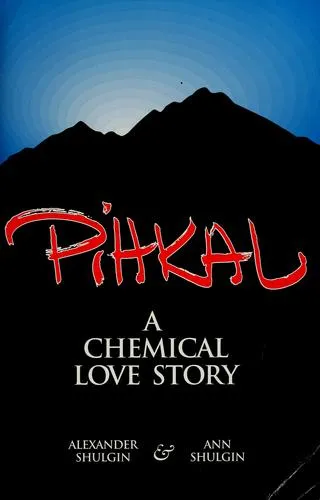
PiHKAL: A Chemical Love Story
Alexander Shulgin, Ann Shulgin (1991)
The most iconic book in psychedelic chemistry — part intimate love story memoir, part encyclopedic reference documenting 179 phenethylamine compounds with synthesis routes, precise dosage ranges, durations, and first-person experience reports. Written by Alexander "Sasha" Shulgin, who personally synthesized and bioassayed over 230 novel psychoactive compounds including popularizing MDMA for psychotherapy.
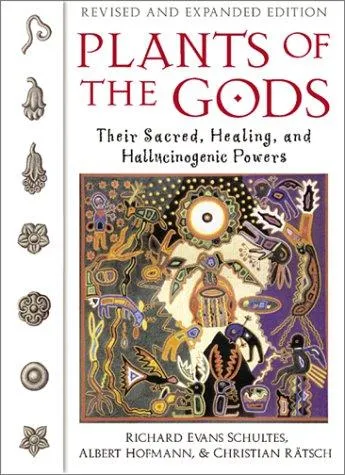
Plants of the Gods
Richard Evans Schultes, Albert Hofmann, Christian Rätsch (1979)
The classic illustrated reference on psychoactive plants, written by the founder of ethnobotany and the chemist who discovered LSD, and revised by Christian Rätsch. Fourteen major plant hallucinogens explored in depth, a lexicon of nearly a hundred more, and a clear account of the chemistry behind them.