
On this page
What is it?
Mescaline holds the distinction of being one of humanity's oldest psychedelic medicines, with archaeological evidence of use spanning over **5,700 years**. Found naturally in sacred cacti revered by Indigenous cultures across the Americas, it remains central to living spiritual traditions while inspiring some of the most influential writing on psychedelic experience.
**What is Mescaline?**
Mescaline (3,4,5-trimethoxyphenethylamine) is a naturally occurring psychedelic alkaloid belonging to the **phenethylamine class**—the same chemical family as dopamine and norepinephrine. First isolated by German pharmacologist Arthur Heffter in **1897** and synthesized by Ernst Späth in **1919**, it served as the template for many synthetic psychedelics.
**Natural Sources**
- **Peyote (Lophophora williamsii)** - Small, spineless cactus native to southwestern Texas and northern Mexico, containing **1-6% mescaline** by dry weight. An average 76mm peyote button contains approximately 25mg mescaline. Takes 7-30 years to mature.
- **San Pedro/Huachuma (Echinopsis pachanoi)** - Columnar cactus native to the Andes at 2,000-3,000m elevation, containing **0.05-2.375% mescaline**. Grows much faster than peyote (up to 30cm per year) and has become a sustainable alternative.
**Potency Comparison**
Mescaline is significantly less potent than other psychedelics:
- LSD is **1,000-3,000 times more potent**
- Psilocybin is approximately **30 times more potent**
- Typical dose: 200-400mg (vs. 100μg LSD or 15mg psilocybin)
- Effects last longer: approximately **11 hours average**
🚨 Important Warnings
Please read all warnings carefully before use.
Research associates mescaline with fetal abnormalities. Strongly contraindicated during pregnancy.
Peyote populations are declining due to overharvesting. Wild plants take 7-30 years to mature. Experts recommend San Pedro as a sustainable alternative and advocate preserving peyote for traditional Indigenous use.
⚠️ Interactions & Combinations
Important information about drug interactions and combinations. Always consult a physician before combining.
Antidepressants (SSRIs, SNRIs, MAOIs)
Potentially dangerous
High risk interactions. SSRIs/SNRIs may reduce effects. MAOIs can be dangerous. Not recommended to combine.
Cardiovascular medications
Sympathomimetic effects
Mescaline produces moderate sympathomimetic effects (increased heart rate, blood pressure). Consult physician if on heart medications.
Stimulants
Increased cardiovascular stress
Combining with stimulants may increase cardiovascular strain. Use caution.
💊 Dosage Guidelines
Typical dosage ranges from sub-perceptual microdoses to full psychoactive doses
Microdose
10.0 mg
Sub-perceptual
Threshold
50.0 mg
First noticeable effects
Moderate
300.0 mg
Full effects
Strong
600.0 mg
Intense experience
📋 Microdosing Protocols
Recommended protocols and regimens for microdosing this substance.
Fadiman Protocol (adapted for Mescaline)
Dosage:
- Mescaline Hcl: 17-50 mg
- Pure Mescaline: 10-50 mg
- Dried San Pedro Powder: ~0.5 grams
Schedule:
Day 1: dose, Day 2-3: off, repeat
Standard Fadiman protocol adapted for mescaline. Take in morning due to long duration (7-10 hours for microdose).
Detailed Schedule:
- Day 1: Take microdose in the morning
- Day 2: Transition day - observe afterglow effects
- Day 3: Normal day - reset/baseline
- Day 4: Repeat with microdose
✨ Reported Effects
Mood Enhancement
Warm, sustained improvements in emotional well-being and positive affect reported at sub-perceptual doses
Enhanced Creativity
Increased openness, novel idea generation and creative thinking without perceptual disruption at microdoses
Introspection
Deeper self-reflection and emotional insight reported even at low doses
Emotional Openness
Greater ease in accessing and processing emotional content; heightened empathy
Nature Connectedness
Increased sense of connection with nature and surroundings reported by regular microdosers
⚠️ Safety Information
Start with very low doses (50-100mg mescaline HCl equivalent). Avoid if you have a personal or family history of psychosis or schizophrenia. Do not combine with MAOIs, SSRIs, or lithium. Always know your source and test your substance.
🔬 Scientific Research
Current research findings and clinical studies.
Survey data shows self-reported improvements: depression (86%), anxiety (80%), PTSD (76%), alcohol use disorder (76%). Between 35-50% rated experiences among most spiritually significant of their lives.
Safety study found only moderate sympathomimetic effects with cardiovascular profile similar to LSD and psilocybin. No evidence of neurotoxicity. Not physically addictive with low abuse potential.
⚖️ Legal Status
Current legal status in various jurisdictions. Always respect local laws.
| Jurisdiction | Status | Details |
|---|---|---|
|
United States
(1970) |
Schedule I (mescaline molecule)
|
Mescaline is a Schedule I controlled substance since 1970. However, exceptions exist for religious use. |
|
United States - Native American Church
(1978) |
Legal for religious use
|
American Indian Religious Freedom Act (1978) and 1994 amendments federally protect Native American Church members' right to use peyote in religious ceremonies. This protection applies only to enrolled tribal members. |
| United States - San Pedro cactus |
Legal gray area
|
San Pedro cactus is legal to buy and possess as an ornamental plant. However, it becomes illegal when intended for extraction or consumption of mescaline. |
|
Colorado
(2022) |
Decriminalized
|
Colorado decriminalized personal use for adults 21+ through Proposition 122 (2022). Includes mescaline-containing cacti. |
👤 Key Figures
Notable figures associated with the research and history of this substance.
Arthur Heffter
German pharmacologist
First isolated mescaline from peyote in 1897. Identified it as the primary psychoactive alkaloid.
Ernst Späth
Austrian chemist
First synthesized mescaline in 1919, enabling broader research and therapeutic exploration.
Aldous Huxley
Author, philosopher
Took 400mg mescaline on May 4, 1953 under supervision of Humphry Osmond. Wrote "The Doors of Perception" (1954), which profoundly influenced cultural attitudes toward psychedelics.
Dr. Humphry Osmond
Psychiatrist
Supervised Aldous Huxley's mescaline experience. Coined the term "psychedelic" in 1956. Pioneered psychedelic therapy research.
❓ FAQ
What is mescaline and how does it work?
Mescaline (3,4,5-trimethoxyphenethylamine) is a naturally occurring alkaloid found in several cacti, including peyote (Lophophora williamsii), San Pedro (Echinopsis pachanoi), and Peruvian torch (Echinopsis peruviana). Like LSD and psilocybin, it acts primarily as a partial agonist at serotonin 5-HT2A receptors in the prefrontal cortex, producing altered perception, enhanced sensory experience, and introspective states. Mescaline also has affinity for dopamine and norepinephrine receptors, which contributes to its stimulating quality.
Is microdosing mescaline safe?
Research specifically on mescaline microdosing is limited. Mescaline is a phenethylamine stimulant in addition to a psychedelic, and low doses may cause mild cardiovascular stimulation — increased heart rate and blood pressure. Individuals with heart conditions or those taking serotonergic medications (SSRIs, MAOIs) should exercise caution. Individual variability is significant. Consult a healthcare professional before use.
How long do the effects of a full dose last?
Mescaline has one of the longest durations of any classic psychedelic. Effects begin 1–2 hours after ingestion and can last 10–14 hours, with some residual stimulation extending beyond this. The extended duration makes it important to plan for a full day of uninterrupted time in a safe environment.
How does mescaline compare to psilocybin and LSD?
All three are serotonergic psychedelics, but mescaline's phenethylamine structure gives it a distinct character: it tends to produce more vivid, colourful visuals, greater body stimulation, and a warmer, more empathogenic quality compared to LSD. Compared to psilocybin, the experience is often described as more visual and physically energising, with less of the introspective depth associated with mushrooms.
Is mescaline legal?
Mescaline is a controlled substance in the United States and most countries. Peyote use is legally protected for members of the Native American Church in the US. Legal status varies internationally — verify local regulations before any research activity.
Recommended Books
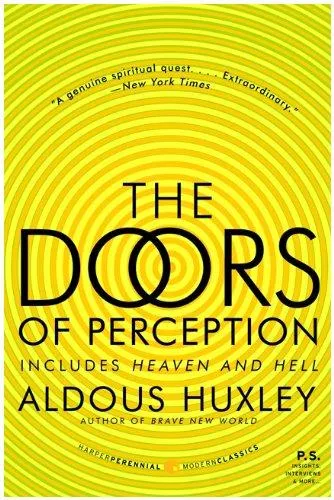
The Doors of Perception
Aldous Huxley (1954)
A seminal essay in which Aldous Huxley recounts his first experience with mescaline in 1953, exploring how the drug dissolves the brain's filtering mechanisms and opens the mind to a richer, unmediated perception of reality.
Microdosing Psychedelics
Paul Austin (2018)
A hands-on guide to microdosing protocols for LSD, psilocybin, mescaline, and other substances. Covers scheduling, safety, sourcing, and practical applications for creativity, performance, and well-being.
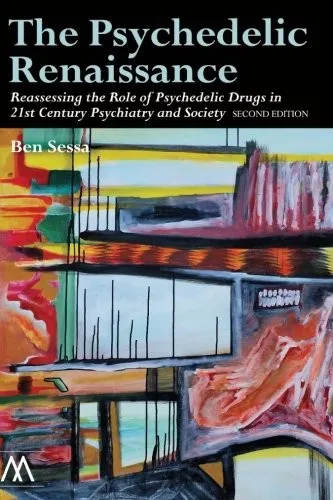
The Psychedelic Renaissance
Ben Sessa (2017)
A psychiatrist and clinical researcher who has personally conducted MDMA and psilocybin therapy trials provides a thorough overview of psychedelic science, history, pharmacology, and clinical potential. Extensively revised for the 2017 second edition, the book surveys every major psychedelic substance and its evidence base for treating psychiatric disorders.
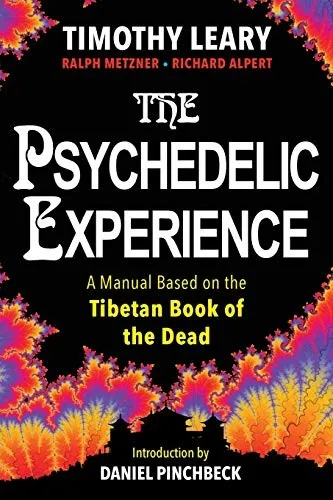
The Psychedelic Experience
Timothy Leary, Ralph Metzner, Richard Alpert (1964)
The foundational manual for navigating psychedelic experiences, reinterpreting the Tibetan Book of the Dead as a framework for ego dissolution, bardo states, and re-entry during LSD and psilocybin sessions. Written by the three Harvard researchers who launched the modern psychedelic movement, it established the concepts of preparation, set and setting, and guided sessions that remain central to all psychedelic practice today.
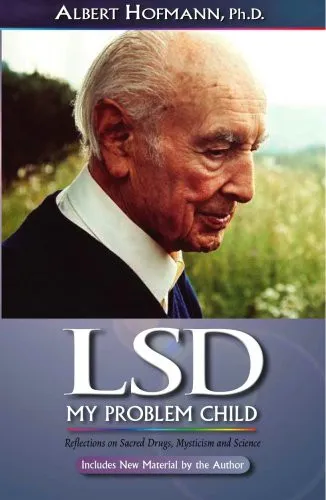
LSD: My Problem Child
Albert Hofmann (1979)
The firsthand account by the chemist who accidentally discovered LSD's psychoactive properties in 1943 — from the legendary "Bicycle Day" first trip to decades of promising psychiatric research and ultimate prohibition. Hofmann also documents his isolation of psilocybin from Mexican sacred mushrooms and his correspondence with Huxley, Leary, Wasson, and Jünger.
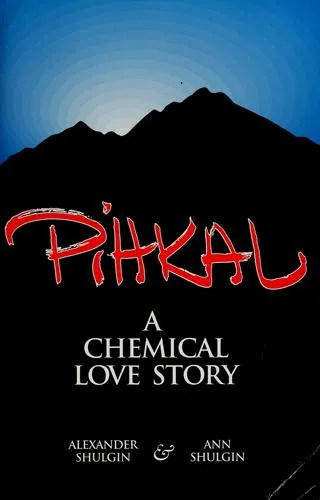
PiHKAL: A Chemical Love Story
Alexander Shulgin, Ann Shulgin (1991)
The most iconic book in psychedelic chemistry — part intimate love story memoir, part encyclopedic reference documenting 179 phenethylamine compounds with synthesis routes, precise dosage ranges, durations, and first-person experience reports. Written by Alexander "Sasha" Shulgin, who personally synthesized and bioassayed over 230 novel psychoactive compounds including popularizing MDMA for psychotherapy.
Important Legal Notice
⚠️ Personal Responsibility
You use this application entirely at your own risk and responsibility. MicrodosingDiary is only a tool for recording personal experiences.
🚫 Not a Medical Service
This application IS NOT a medical tool, does not provide medical advice, does not diagnose or treat any conditions. Always consult a qualified physician.
⚖️ Legislation and Laws
Many substances used for microdosing are illegal in many countries. Users are fully responsible for complying with local laws. The application does not support or promote illegal activity.
❌ No Guarantees
We provide no guarantees regarding results, safety or efficacy of microdosing. All information is for informational purposes only.
🔞 Age Restriction
Application is intended only for persons over 18 years of age. By using the application you confirm that you are an adult.
🔒 Data Privacy
Your diary entries are private and encrypted. The application is for personal use. Public-page analytics is described in Privacy and Terms.
By using this application you accept all the above risks and waive any claims against the application operator.