
On this page
What is it?
LSD stands as one of the most potent psychoactive substances known to science, producing profound effects at doses measured in millionths of a gram. First synthesized in 1938 and with psychedelic properties discovered in 1943, it catalyzed both scientific research and cultural revolution before prohibition, and now emerges again as a promising therapeutic tool.
**What is LSD?**
Lysergic acid diethylamide (LSD), commonly known as "acid," is a semisynthetic hallucinogenic drug derived from ergot (Claviceps purpurea), a fungus that grows on rye and other grains. The name originates from the German "Lysergsäure-diethylamid."
**Potency**
LSD is extraordinarily potent:
- Approximately **200 times more potent than psilocybin**
- **5,000 times more potent than mescaline**
- Noticeable effects occur with doses as low as 20 micrograms—about 1/200th the mass of a grain of sand
- Despite widespread use over decades, **no fatal human overdoses from LSD alone** have been documented
The molecular formula is C₂₀H₂₅N₃O with a molecular weight of 323.44 g/mol. It belongs to the lysergamide class (ergoline derivatives) and contains a tryptamine core scaffold similar to serotonin.
🚨 Important Warnings
Please read all warnings carefully before use.
Avoid LSD if you have a personal or family history of psychosis or bipolar disorder. Psychological risks can be significant.
NEVER combine LSD with lithium. Documented seizures and fatalities with LSD-class compounds. Wait at least 30 days after lithium discontinuation.
Avoid use with personal history of psychosis, schizophrenia, or bipolar I disorder. LSD can trigger prolonged psychotic episodes in predisposed individuals.
LSD can transiently increase heart rate, blood pressure, and body temperature. Use caution with cardiovascular conditions.
Rare cases of persistent visual disturbances (HPPD) have been reported after hallucinogen use. Seek medical help if symptoms persist.
Effects last 8-12 hours — significantly longer than psilocybin. Plan accordingly and ensure a safe environment for the full duration. Do not drive or operate machinery.
LSD is active at microgram levels — precise dosing is critical. Always use volumetric dosing for microdoses. Never cut blotter tabs for dosing as distribution is uneven.
This information is for harm reduction and education only, not medical advice. Consult a healthcare professional, especially if you take medications or have health conditions.
⚠️ Interactions & Combinations
Important information about drug interactions and combinations. Always consult a physician before combining.
Lithium
Dangerous - Seizure Risk
Reports of seizures when combining LSD with lithium. NEVER combine. This is the most dangerous known interaction.
MAOIs (Monoamine Oxidase Inhibitors)
Potentially dangerous
May intensify and prolong LSD effects unpredictably. Not recommended.
Tramadol
Seizure risk
Combination may increase seizure risk. Avoid combining.
SSRIs (Selective Serotonin Reuptake Inhibitors)
Diminished effects, HPPD risk
SSRIs may reduce LSD effects and potentially increase risk of HPPD (Hallucinogen Persisting Perception Disorder). Lower serotonin syndrome risk than with other psychedelics but still exercise caution.
Antipsychotics
Diminished effects
Antipsychotics may reduce or block LSD effects. Often used as "trip killers" in emergency situations.
💊 Dosage Guidelines
Typical dosage ranges from sub-perceptual microdoses to full psychoactive doses
Microdose
10.0 μg
Sub-perceptual
Threshold
20.0 μg
First noticeable effects
Moderate
100.0 μg
Full effects
Strong
250.0 μg
Intense experience
🧪 Preparation
Preparation methods and handling tips for accurate dosing.
Volumetric Dosing
Essential method for accurate LSD microdosing due to uneven distribution on blotter paper.
Steps:
- Place tab of known dosage (e.g., 100 μg) in amber glass dropper bottle
- Add measured distilled water or alcohol (10-20 ml)
- AVOID chlorinated tap water - destroys LSD
- Store in dark, cool place (refrigerator ideal)
- Let dissolve for 24-48+ hours
- Shake well before each use
- Measure doses using oral syringe or dropper
📋 Microdosing Protocols
Recommended protocols and regimens for microdosing this substance.
Fadiman Protocol
Dosage:
- LSD: 5-20 micrograms
- Note: At 20 μg, some may experience perceptual changes - this is the upper limit
- Typical: 10-13 micrograms
Schedule:
Day 1: microdose, Day 2-3: off, repeat
The most widely used microdosing protocol, applicable to LSD as well as psilocybin. Prevents tolerance buildup and allows observation of lasting effects.
Detailed Schedule:
- Day 1: Take microdose in the morning
- Day 2: Transition day - observe afterglow effects
- Day 3: Normal day - reset/baseline
- Day 4: Repeat with microdose
Every Other Day
Dosage:
- LSD: 8-15 micrograms
Schedule:
Day 1: dose, Day 2: off, repeat
More frequent dosing schedule. Some users report this works better for sustained mood improvements.
✨ Reported Effects
Energy Boost
Increased energy and motivation throughout the day
Mental Clarity
Enhanced cognitive function and clear thinking
Creative Flow
Easier access to creative states and inspiration
⚠️ Safety Information
Typical microdose is 5-15μg. Store in a cool, dark place. Effects last 6-8 hours. Avoid driving or operating machinery. Start with lower doses to assess sensitivity.
🔬 Scientific Research
Current research findings and clinical studies.
World's first brain-imaging study of LSD. Showed decreased activity in default mode network and increased connectivity across brain regions. Published in Proceedings of the National Academy of Sciences.
Placebo-controlled study of 200 μg LSD showed marked subjective effects and transient increases in blood pressure, heart rate, temperature, and cortisol.
20 μg LSD increased pain tolerance by 20%—comparable to opioids but without addiction risk.
Pharmacokinetic data show oral LSD peaks around 2-3 hours with an elimination half-life around 2.6 hours; subjective effects last 8-12 hours.
26 μg LSD in depressed individuals showed significantly greater improvements in mood, vigor, and elation compared to non-depressed participants.
First LSD therapy study in over 40 years. Showed reduction in anxiety with no adverse effects. Paved way for LSD research renaissance.
5-HT2A antagonist ketanserin blocked LSD-induced subjective effects and network changes, supporting 5-HT2A mediation.
Crystal structure of LSD bound to a serotonin receptor revealed a "lid" that slows dissociation, helping explain LSD's long duration.
Meta-analysis of 1950s-60s studies showed LSD treatment nearly twice as likely to improve alcoholism compared to placebo.
Double-blind, placebo-controlled study (0, 6.5, 13, 26 μg) found dose-related subjective effects; 26 μg increased vigor and positive mood with minimal cognitive changes.
Low doses (5, 10, 20 μg) altered time perception in older adults, showing time dilation at suprasecond intervals with minimal subjective effects.
Repeated low doses (5, 10, 20 μg every 4 days for six doses) were well tolerated in older adults with no serious adverse events and no impairment of cognition or balance.
Low-dose LSD (20 μg) decreased pain perception and increased pain tolerance in healthy volunteers.
Qualitative follow-up reported sustained anxiety reductions and improved quality of life months after LSD-assisted therapy.
⚖️ Legal Status
Current legal status in various jurisdictions. Always respect local laws.
| Jurisdiction | Status | Details |
|---|---|---|
|
United States
(1970) |
Schedule I - Illegal
|
LSD is a Schedule I controlled substance under the Controlled Substances Act (1970). Possession, manufacture, or distribution carries significant penalties. |
|
Portugal
(2001) |
Decriminalized for personal use
|
Portugal decriminalized possession of all drugs for personal use in 2001. Possession is an administrative offense, not criminal. |
| Switzerland |
Illegal, but therapeutic research permitted
|
While LSD remains illegal, Switzerland has permitted limited therapeutic research since 2014. Peter Gasser conducted the first LSD therapy study in decades. |
|
International
(1971) |
Schedule I - UN Convention
|
LSD is Schedule I under the UN Convention on Psychotropic Substances (1971), making it illegal in most countries worldwide. |
👤 Key Figures
Notable figures associated with the research and history of this substance.
Dr. Albert Hofmann
Swiss chemist, discoverer of LSD
First synthesized LSD-25 on November 16, 1938. Discovered its psychedelic properties on April 19, 1943 ("Bicycle Day"). Also isolated psilocybin and psilocin. Authored "LSD: My Problem Child."
Dr. Timothy Leary
Psychologist, psychedelic advocate
Led Harvard Psilocybin Project, later focused on LSD. Coined "Turn on, tune in, drop out." His controversial advocacy both popularized and contributed to prohibition of psychedelics.
Amanda Feilding
Founder of Beckley Foundation
Founded Beckley Foundation (1998) and Beckley/Imperial Research Programme (2008). Pioneered modern LSD research including first brain-imaging studies and microdosing research.
Dr. Stanislav Grof
Psychiatrist, LSD therapy pioneer
Conducted over 4,000 LSD therapy sessions. Developed transpersonal psychology and holotropic breathwork. Continued research when LSD became illegal.
Dr. Humphry Osmond
Psychiatrist, coined "psychedelic"
Pioneered LSD therapy for alcoholism with high success rates. Coined the term "psychedelic" (mind-manifesting) in 1956. Gave Aldous Huxley his first mescaline experience.
Dr. James Fadiman
Psychologist, microdosing researcher
Applied microdosing protocols to LSD as well as psilocybin. Collected thousands of self-reported microdosing experiences. Made microdosing accessible to mainstream audience.
📚 Scientific Research
MAPS (Multidisciplinary Association for Psychedelic Studies)
Primary research organization referenced in the legacy seeds.
https://maps.org/❓ FAQ
What is a typical LSD microdose?
Most people use 5-20 micrograms, with 10-13 micrograms a common starting range.
Effects should be subtle and non-intoxicating.
How often should I microdose LSD?
A common approach is the Fadiman schedule: dose on Day 1, then take two days off before
the next dose.
How should LSD be stored?
Store LSD in a dark, airtight container away from heat, light, moisture, and chlorine to
prevent degradation.
Is LSD legal?
LSD is a Schedule I controlled substance in many countries. Always check local laws.
Recommended Books
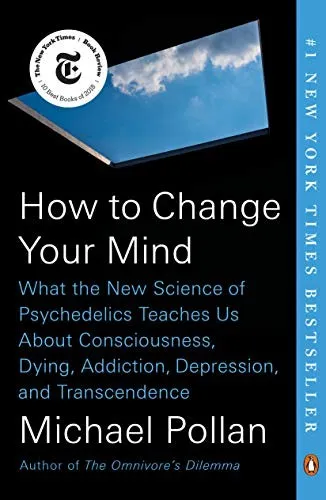
How to Change Your Mind
Michael Pollan (2018)
A groundbreaking exploration of the renaissance in psychedelic research. Michael Pollan takes readers on a journey through the history, science, and personal experience of psychedelic substances.
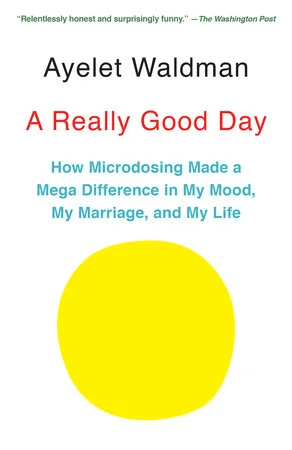
A Really Good Day
Ayelet Waldman (2017)
A candid memoir of one woman's month-long experiment with microdosing LSD. Ayelet Waldman documents how tiny doses of the substance transformed her daily life while exploring the science, history, and politics of psychedelics.
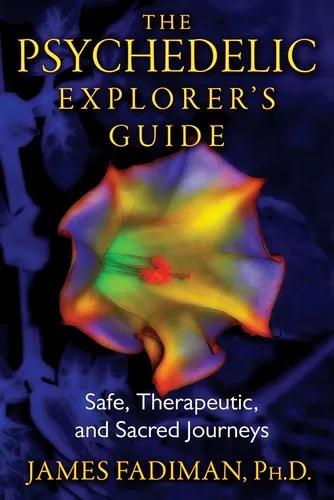
The Psychedelic Explorer's Guide
James Fadiman (2011)
The definitive handbook for safe psychedelic use. James Fadiman distills decades of research and thousands of session reports into practical guidance covering microdosing, therapeutic sessions, and high-dose experiences.
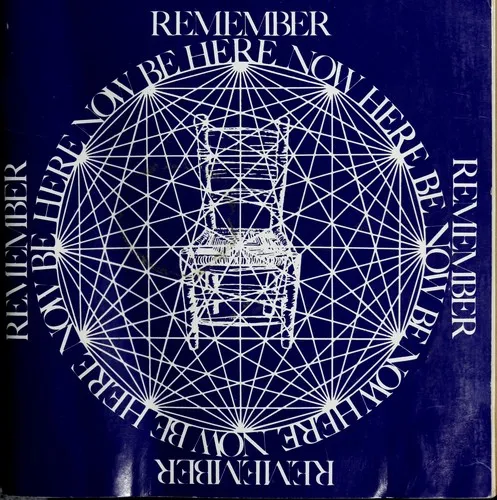
Be Here Now
Ram Dass (1971)
The foundational countercultural classic in which Richard Alpert — Harvard psychologist turned spiritual teacher Ram Dass — traces his journey from psychedelic experimentation to Eastern spiritual practice, offering a roadmap for integrating transcendent experience into everyday life.
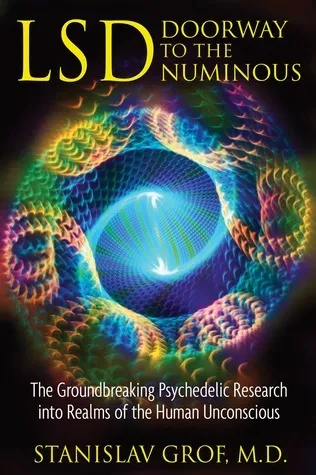
LSD: Doorway to the Numinous
Stanislav Grof (1975)
Based on approximately 2,500 clinical LSD sessions over 17 years, Stanislav Grof maps three domains of the human unconscious — the psychodynamic, the perinatal, and the transpersonal — demonstrating how LSD acts as a nonspecific amplifier of unconscious processes.
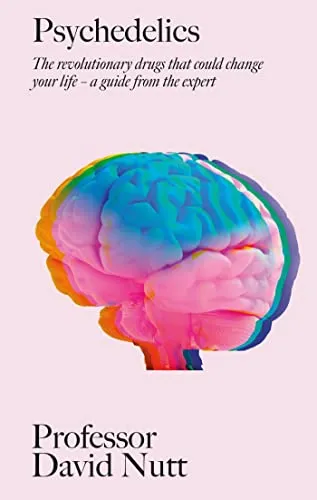
Psychedelics
David Nutt (2023)
The definitive accessible guide to psychedelic science by one of the world's leading neuropsychopharmacologists. Professor David Nutt covers the pharmacology, neuroscience, and clinical evidence for LSD, psilocybin, MDMA, DMT, ayahuasca, and ketamine.
Important Legal Notice
⚠️ Personal Responsibility
You use this application entirely at your own risk and responsibility. MicrodosingDiary is only a tool for recording personal experiences.
🚫 Not a Medical Service
This application IS NOT a medical tool, does not provide medical advice, does not diagnose or treat any conditions. Always consult a qualified physician.
⚖️ Legislation and Laws
Many substances used for microdosing are illegal in many countries. Users are fully responsible for complying with local laws. The application does not support or promote illegal activity.
❌ No Guarantees
We provide no guarantees regarding results, safety or efficacy of microdosing. All information is for informational purposes only.
🔞 Age Restriction
Application is intended only for persons over 18 years of age. By using the application you confirm that you are an adult.
🔒 Data Privacy
Your diary entries are private and encrypted. The application is for personal use. Public-page analytics is described in Privacy and Terms.
By using this application you accept all the above risks and waive any claims against the application operator.