On this page
What is it?
Psilocybin mushrooms represent humanity's oldest psychedelic medicine, with a documented history spanning over 10,000 years. Today, they have emerged as the most popular substance for microdosing, with approximately 85% of microdosers choosing psilocybin-containing mushrooms for their practice.
**What is Psilocybin?**
Psilocybin (4-phosphoryloxy-N,N-dimethyltryptamine) is a naturally occurring psychedelic compound found in more than 200 species of fungi, primarily within the genus Psilocybe. It functions as a prodrug, meaning it is rapidly converted in the body to its active form, psilocin (4-hydroxy-N,N-dimethyltryptamine), which produces the psychoactive effects.
The most commonly encountered species include:
- **Psilocybe cubensis** - the most widely cultivated species
- **Psilocybe semilanceata** (Liberty Caps) - with the highest recorded psilocybin concentration at 2.37%
- **Psilocybe azurescens** - the most potent known species at approximately 1.78% psilocybin by dry weight
🚨 Important Warnings
Please read all warnings carefully before use.
NEVER combine psilocybin with lithium. Documented 47% seizure rate in 62 reports, with 39% requiring emergency medical care and some fatalities. Wait at least 30 days after lithium discontinuation.
Avoid use with personal history of psychosis, schizophrenia, or bipolar I disorder. Psychosis incidence: 0.002% general population, 0.6% in clinical trials, 3.8% with schizophrenia history (Sabé et al., 2024).
Potency varies up to 10-fold between individual mushroom specimens. Always homogenize batches before dosing and use a precision scale (0.01g minimum).
Legal status varies significantly by jurisdiction. Verify local laws before any activity. Medical psilocybin is legal in Czech Republic (2026), Australia, Oregon, and Colorado.
This information is for harm reduction and education only, not medical advice. Consult a healthcare professional, especially if you take medications or have health conditions.
⚠️ Interactions & Combinations
Important information about drug interactions and combinations. Always consult a physician before combining.
Lithium
Dangerous - Life Threatening
Multiple reports document dangerous interactions causing seizures, heart failure, and death. NEVER combine psilocybin with lithium. This is the most dangerous known interaction.
MAOIs (Monoamine Oxidase Inhibitors)
Serotonin syndrome risk
MAOIs can elevate serotonin to dangerous levels, risking serotonin syndrome—a potentially life-threatening condition. Not recommended to combine.
SSRIs (Selective Serotonin Reuptake Inhibitors)
Diminished effects
SSRIs generally reduce or blunt psilocybin effects (47-55% probability of weakened effects). While serotonin syndrome risk appears low, research is limited. Effects may be dampened for 3-6 months after SSRI discontinuation.
Tricyclic Antidepressants
Increased intensity
May increase intensity of psilocybin effects. Not recommended due to unpredictable interactions.
Antipsychotics
Diminished effects
Antipsychotics (both typical and atypical) diminish psilocybin effects but appear non-toxic. May completely block effects.
💊 Dosage Guidelines
Typical dosage ranges from sub-perceptual microdoses to full psychoactive doses
Microdose
0.1 g
Sub-perceptual
Threshold
0.25 g
First noticeable effects
Moderate
2.5 g
Full effects
Strong
5.0 g
Intense experience
📋 Microdosing Protocols
Recommended protocols and regimens for microdosing this substance.
Fadiman Protocol
Dosage:
- Truffles: 0.5-1.0 grams
- Dried Mushrooms: 0.1-0.3 grams (100-300mg)
- Pure Psilocybin: 1-2 mg
Schedule:
Day 1: microdose, Day 2-3: off, repeat
The most widely used microdosing protocol, developed by Dr. James Fadiman and outlined in "The Psychedelic Explorer's Guide" (2011). This schedule prevents tolerance buildup while allowing observation of lasting effects.
Detailed Schedule:
- Day 1: Take microdose in the morning
- Day 2: Transition day - observe afterglow effects
- Day 3: Normal day - reset/baseline
- Day 4: Repeat with microdose
Stamets Stack
Dosage:
- Niacin: 100-200 mg Vitamin B3 (theorized to aid delivery across blood-brain barrier)
- Lion's Mane: 500-1000 mg (stimulates nerve growth factor)
- Psilocybin: 0.1-0.3 grams dried mushrooms
Schedule:
4-5 days on, 2-3 days off
Developed by renowned mycologist Paul Stamets, this intensive protocol combines three components to maximize neuroplastic benefits. Recommended for experienced microdosers.
Detailed Schedule:
- Days 1-5: Take all three components together
- Days 6-7: Complete break from all components
- Repeat cycle for 4-6 weeks
- Take 2-6 week break before next cycle
✨ Reported Effects
Enhanced Creativity
Improved creative thinking and problem-solving abilities
Mood Enhancement
Better overall mood and emotional well-being
Improved Focus
Enhanced concentration and mental clarity
⚠️ Safety Information
Start with low doses (0.05-0.15g dried mushrooms). Avoid if you have a family history of psychosis. Do not combine with MAOIs or SSRIs. Always source from trusted suppliers.
🔬 Scientific Research
Current research findings and clinical studies.
78% of patients showed significant decreases in depression at 6-month follow-up. 83% showed significant decreases in anxiety. Effects sustained for at least 6 months.
Remission rates twice as high in psilocybin group compared to escitalopram (SSRI). Psilocybin showed rapid and sustained antidepressant effects.
Psilocybin increases brain connectivity lasting up to 3 weeks post-treatment. Creates increased communication between normally separate brain regions.
FDA granted Breakthrough Therapy designation for psilocybin therapy in treatment-resistant depression. Phase III clinical trials ongoing.
FDA granted second Breakthrough Therapy designation for psilocybin in major depressive disorder.
⚖️ Legal Status
Current legal status in various jurisdictions. Always respect local laws.
| Jurisdiction | Status | Details |
|---|---|---|
|
United States
(1970) |
Schedule I - Illegal
|
Psilocybin remains a Schedule I controlled substance federally in the United States since 1970 under the Controlled Substances Act. Possession, manufacture, or distribution carries significant penalties. |
|
Oregon
(2020) |
Legal - Therapeutic Use
|
Oregon became the first state to legalize supervised therapeutic use through Measure 109 (2020). Licensed service centers have been operating since 2023, allowing legal psilocybin sessions under professional supervision. |
|
Colorado
(2022) |
Decriminalized
|
Colorado decriminalized personal use, possession, and cultivation for adults 21+ through Proposition 122 (2022). Also established provisions for licensed "healing centers." |
|
Denver, Colorado
(2019) |
Decriminalized
|
Denver became the first U.S. city to decriminalize psilocybin mushrooms in May 2019. |
| Netherlands |
Partially Legal
|
The Netherlands permits legal sale of psilocybin truffles (sclerotia) in smart shops, though mushrooms themselves are banned. This creates a unique legal situation where one form is legal and another is not. |
| Jamaica |
No Prohibition
|
Jamaica has no specific prohibition on psilocybin, allowing retreat centers to operate legally. |
| Brazil |
Legal Gray Area
|
Brazil exists in a legal gray area with no specific scheduling of psilocybin. |
👤 Key Figures
Notable figures associated with the research and history of this substance.
María Sabina
Mazatec healer and shaman (curandera)
Practiced velada mushroom ceremonies for over 30 years in Huautla de Jiménez, Oaxaca. Her ceremony with R. Gordon Wasson in 1955 introduced psilocybin mushrooms to the Western world, sparking the modern psychedelic movement.
R. Gordon Wasson
American banker, author, and ethnomycologist
Participated in María Sabina's velada ceremony in 1955. Published "Seeking the Magic Mushroom" in Life magazine (1957), bringing psilocybin mushrooms to Western attention for the first time.
Albert Hofmann
Swiss chemist
Isolated and named psilocybin and psilocin in 1958 at Sandoz Laboratories, enabling scientific study. Also discovered LSD in 1943.
Timothy Leary
Psychologist, Harvard professor
Led the Harvard Psilocybin Project (1960-1962). His controversial advocacy and the phrase "Turn on, tune in, drop out" made him a counterculture icon but also contributed to prohibition.
Dr. James Fadiman
Psychologist, microdosing researcher
Developed the Fadiman Protocol (2011), the most widely used microdosing protocol worldwide. Author of "The Psychedelic Explorer's Guide." Pioneered systematic study of microdosing through self-reported data collection.
Paul Stamets
Mycologist, author
Developed the Stamets Stack protocol combining psilocybin, Lion's Mane, and niacin to maximize neuroplastic benefits. Leading advocate for medicinal and psychedelic mushrooms.
Dr. Roland Griffiths
Psychopharmacologist, Johns Hopkins researcher
Founded the Johns Hopkins Center for Psychedelic and Consciousness Research (2019). Led groundbreaking studies on psilocybin for depression, anxiety, and addiction. Published over 150 peer-reviewed papers.
📚 Scientific Research
Johns Hopkins Center for Psychedelic Research
Primary research source referenced in the legacy seeds.
https://hopkinspsychedelic.org/❓ FAQ
What is psilocybin and how does it work?
Psilocybin is a naturally occurring prodrug found in over 200 species of mushrooms. After ingestion, it is converted to psilocin, which acts as a partial agonist at serotonin 5-HT2A receptors—primarily in the prefrontal cortex—producing altered states of consciousness.
Is microdosing psilocybin safe?
Current research suggests that sub-perceptual doses (0.05–0.3 g dried mushrooms) carry low acute toxicity. Individual responses vary, and risks include psychological discomfort, mood instability, and interactions with psychiatric conditions or medications. Always consult a healthcare professional before use.
How long do the effects of a full dose last?
Effects typically begin 20–60 minutes after ingestion, peak at 2–3 hours, and last 4–6 hours in total. Residual effects can persist for several additional hours.
Is psilocybin legal?
Psilocybin is a Schedule I controlled substance in most countries. Exceptions include decriminalised or regulated use in Oregon and Colorado (USA), the Netherlands (magic truffles), Jamaica, and a few other jurisdictions. Always verify local law before any use.
Can psilocybin be used therapeutically?
Clinical trials have shown promising results for treatment-resistant depression, PTSD, addiction (alcohol, tobacco), and end-of-life anxiety. Several Phase 2/3 trials are ongoing. Therapeutic use should only occur in supervised settings with trained professionals.
Recommended Books
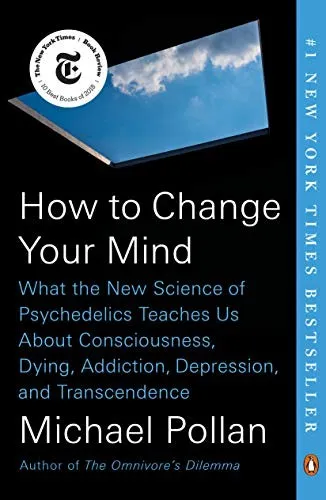
How to Change Your Mind
Michael Pollan (2018)
A groundbreaking exploration of the renaissance in psychedelic research. Michael Pollan takes readers on a journey through the history, science, and personal experience of psychedelic substances.
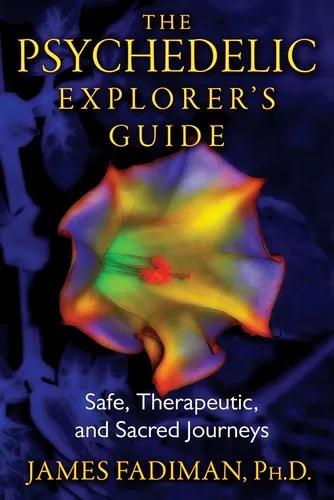
The Psychedelic Explorer's Guide
James Fadiman (2011)
The definitive handbook for safe psychedelic use. James Fadiman distills decades of research and thousands of session reports into practical guidance covering microdosing, therapeutic sessions, and high-dose experiences.
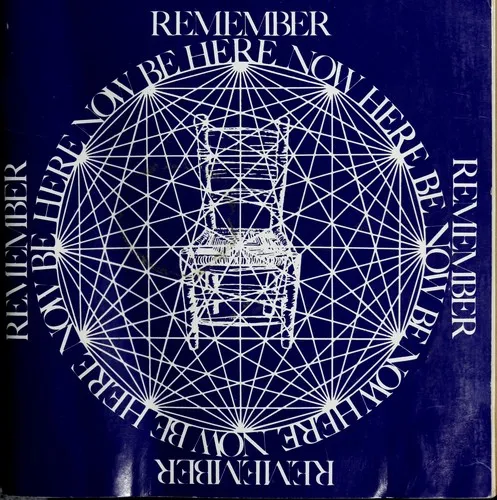
Be Here Now
Ram Dass (1971)
The foundational countercultural classic in which Richard Alpert — Harvard psychologist turned spiritual teacher Ram Dass — traces his journey from psychedelic experimentation to Eastern spiritual practice, offering a roadmap for integrating transcendent experience into everyday life.
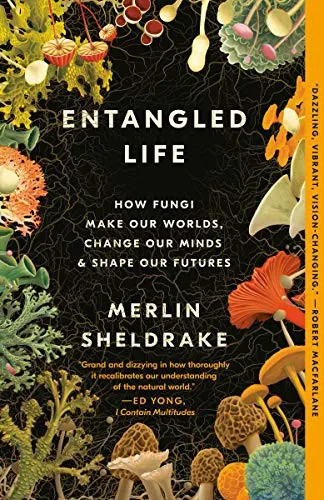
Entangled Life
Merlin Sheldrake (2020)
A Royal Society Science Book Prize-winning exploration of the hidden kingdom of fungi — from underground mycelial networks connecting forests to psilocybin mushrooms and their effects on human consciousness.
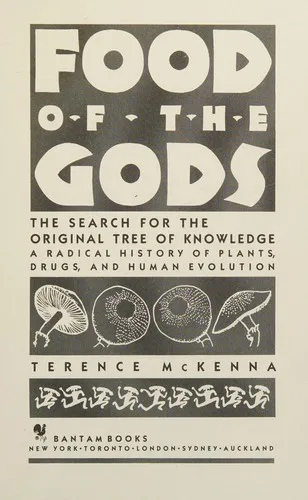
Food of the Gods
Terence McKenna (1992)
McKenna presents a sweeping argument that psychoactive plants — especially psilocybin mushrooms — played a pivotal role in human cognitive evolution, language development, and cultural formation. A provocative blend of ethnobotany, anthropology, and cultural history.
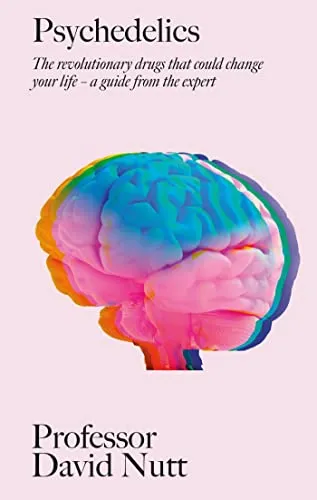
Psychedelics
David Nutt (2023)
The definitive accessible guide to psychedelic science by one of the world's leading neuropsychopharmacologists. Professor David Nutt covers the pharmacology, neuroscience, and clinical evidence for LSD, psilocybin, MDMA, DMT, ayahuasca, and ketamine.
Important Legal Notice
⚠️ Personal Responsibility
You use this application entirely at your own risk and responsibility. MicrodosingDiary is only a tool for recording personal experiences.
🚫 Not a Medical Service
This application IS NOT a medical tool, does not provide medical advice, does not diagnose or treat any conditions. Always consult a qualified physician.
⚖️ Legislation and Laws
Many substances used for microdosing are illegal in many countries. Users are fully responsible for complying with local laws. The application does not support or promote illegal activity.
❌ No Guarantees
We provide no guarantees regarding results, safety or efficacy of microdosing. All information is for informational purposes only.
🔞 Age Restriction
Application is intended only for persons over 18 years of age. By using the application you confirm that you are an adult.
🔒 Data Privacy
Your diary entries are private and encrypted. The application is for personal use. Public-page analytics is described in Privacy and Terms.
By using this application you accept all the above risks and waive any claims against the application operator.