Mycology
What is mycology?
Mycology is the branch of biology dedicated to the study of fungi — a vast kingdom of organisms that includes:
- Mushrooms — the fruiting bodies of certain fungi, both edible and psychoactive
- Molds — filamentous fungi important in medicine (penicillin), food (cheese), and ecology
- Yeasts — single-celled fungi essential for brewing, baking, and biotechnology
- Mycelium — the underground network of fungal threads that connects ecosystems
Fungi are neither plants nor animals; they are a separate kingdom of life with unique biology. The fungal kingdom is estimated to include 2–5 million species, of which only about 150,000 have been described.
Key areas of mycological research:
- Taxonomy — identifying and classifying fungal species
- Ecology — understanding fungi's role in ecosystems (decomposition, symbiosis, nutrient cycling)
- Medicinal mycology — studying fungi with therapeutic properties (psilocybin, lion's mane, reishi, turkey tail)
- Ethnomycology — the historical and cultural relationship between humans and fungi
Why it matters for microdosing
Basic mycological knowledge is valuable for microdosers:
- Species identification — knowing the difference between Psilocybe species and their varying potency profiles
- Quality assessment — understanding what properly grown, dried, and stored mushrooms should look like
- Contamination awareness — recognizing mold contamination that makes material unsafe
- Medicinal mushrooms — understanding non-psychoactive mushrooms used in stacks (lion's mane, reishi, cordyceps)
- Ecological appreciation — fungi are foundational to ecosystem health; this perspective enriches the microdosing practice
Key psilocybin-containing species:
| Species | Psilocybin Content | Common Name |
|---|---|---|
| P. cubensis | 0.5–0.8% | The most common cultivated species |
| P. semilanceata | 0.8–1.3% | Liberty cap |
| P. azurescens | 1.5–1.8% | Flying saucer |
| P. cyanescens | 0.6–1.2% | Wavy cap |
What to watch out for
- Misidentification — wild mushroom identification requires expert knowledge; misidentification can be lethal
- Potency differences — different species have dramatically different psilocybin content; always know what species you're working with
- Contamination — fungi are susceptible to bacterial and mold contamination; compromised material should never be consumed
- Amateur cultivation — while cultivation is a mycological skill, it carries legal risks in most jurisdictions
- Oversimplification — the fungal kingdom is incredibly complex; basic knowledge is valuable, but recognize the limits of your understanding
Related Terms
Recommended Books
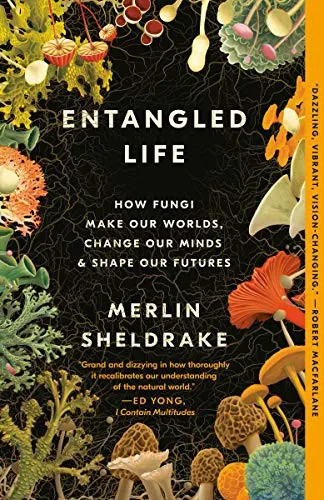
Entangled Life
Merlin Sheldrake (2020)
A Royal Society Science Book Prize-winning exploration of the hidden kingdom of fungi — from underground mycelial networks connecting forests to psilocybin mushrooms and their effects on human consciousness.
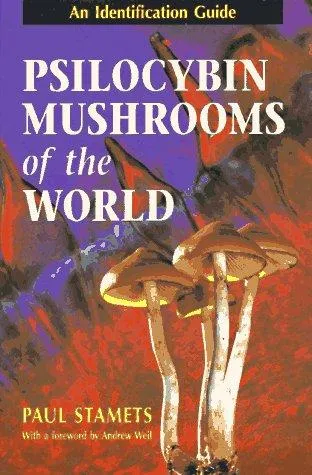
Psilocybin Mushrooms of the World
Paul Stamets (1996)
The standard field guide to psilocybin-containing mushrooms, written by the mycologist whose name is on the Stamets microdosing protocol. Detailed descriptions and colour photographs of more than 100 species, plus a rigorous method for telling them apart from their poisonous look-alikes.
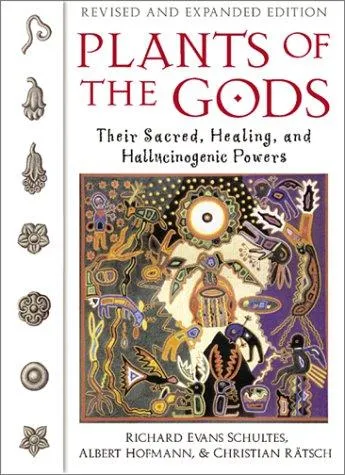
Plants of the Gods
Richard Evans Schultes, Albert Hofmann, Christian Rätsch (1979)
The classic illustrated reference on psychoactive plants, written by the founder of ethnobotany and the chemist who discovered LSD, and revised by Christian Rätsch. Fourteen major plant hallucinogens explored in depth, a lexicon of nearly a hundred more, and a clear account of the chemistry behind them.