
On this page
What is it?
Ketamine is a dissociative anesthetic that produces dose-dependent effects from mild
relaxation to full dissociation. Pharmaceutical ketamine appears as a clear, colorless liquid
for injection or a white crystalline powder; compounded sublingual forms include troches and
lozenges.
At sub-anesthetic doses (roughly 5-30% of anesthetic doses), it can activate neuroplasticity
pathways and provide rapid antidepressant effects while remaining functional. Ketamine acts
primarily on glutamate rather than serotonin and has a wider safety margin and shorter
duration than PCP.
🚨 Important Warnings
Please read all warnings carefully before use.
Frequent use can cause ketamine cystitis. About 26-30% of frequent recreational users report urinary symptoms, and risk rises with 3+ times weekly use.
Raises blood pressure and heart rate. Avoid if you have uncontrolled hypertension.
Not recommended for active psychosis or schizophrenia; can worsen symptoms.
Tolerance can develop within days. Cross-tolerance exists with NMDA antagonists such as DXM, nitrous oxide, and PCP analogues; psychological dependence can occur.
Do not drive or operate machinery for at least 24 hours after use.
⚠️ Interactions & Combinations
Important information about drug interactions and combinations. Always consult a physician before combining.
Alcohol, opioids, GHB/GBL, and other CNS depressants
Additive CNS and respiratory depression
Combining ketamine with depressants can cause profound sedation, vomiting/aspiration, respiratory depression, coma, or death.
Mechanism: Additive CNS depression
Stimulants (cocaine, amphetamines)
Cardiovascular strain
Stimulants increase heart rate and blood pressure, compounding ketamine's sympathomimetic effects.
Tramadol
Seizure risk and CNS depression
Both affect neurotransmission and can increase seizure risk and sedation.
Benzodiazepines and sedatives
Blunted antidepressant response
Benzodiazepines can reduce ketamine's antidepressant effects and add sedation; avoid on the day of ketamine use when possible.
MAOIs (Monoamine Oxidase Inhibitors)
Theoretical hypertensive risk
Limited data; combined sympathomimetic effects may raise blood pressure.
Lamotrigine
Reduced efficacy
Lamotrigine may reduce ketamine's glutamate surge and blunt antidepressant effects.
Cannabis
Increased dissociation
May increase dissociation and cognitive impairment; some reports suggest reduced neuroplasticity benefits.
SSRIs/SNRIs
Generally compatible
Commonly co-administered in clinical settings; monitor for sedation and blood pressure changes.
Lithium
No documented adverse interactions
No known dangerous interactions; may share beneficial GSK-3 inhibition.
Tricyclic antidepressants
Minor increased sedation
Generally tolerated; monitor for sedation and cardiovascular effects.
💊 Dosage Guidelines
Typical dosage ranges from sub-perceptual microdoses to full psychoactive doses
Microdose
Sub-perceptual
Threshold
First noticeable effects
Moderate
Full effects
Strong
Intense experience
🧪 Preparation
Preparation methods and handling tips for accurate dosing.
Sublingual troches: hold 15-20 minutes (up to 30), avoid swallowing saliva, and spit the wax
base. Intranasal spray: use a measured device, alternate nostrils, wait 5 minutes between
sprays, and avoid blowing your nose for 10-15 minutes; saline rinse can reduce irritation.
Oral solution has the lowest bioavailability but longer duration.
Storage: keep at 68-77 F (20-25 C), protect from light and moisture, and store in airtight,
child-resistant containers. Troches can melt with heat; refrigeration is optional for longer
storage. Typical shelf life is 30-90 days for troches and up to 180 days for sealed liquid.
Sublingual Troches
Common at-home route with moderate bioavailability and short duration.
Steps:
- Place troche under the tongue or between cheek and gum
- Hold 15-20 minutes (up to 30) and avoid swallowing saliva
- Spit the wax base and avoid eating or drinking during absorption
Intranasal Spray
Faster onset with higher bioavailability than oral routes.
Steps:
- Clear nasal passages before dosing
- Use a measured spray device for consistent dosing
- Alternate nostrils and wait 5 minutes between sprays
- Avoid blowing your nose for 10-15 minutes
- Use a saline rinse afterward to reduce irritation
📋 Microdosing Protocols
Recommended protocols and regimens for microdosing this substance.
Clinical IV/IM Protocol
Dosage:
- Note: Medical supervision required
- Route: IV/IM
- Typical: 0.5 mg/kg (IV over ~40 minutes)
Schedule:
6-8 sessions over 2-4 weeks (often 1-2 sessions weekly)
Clinician-administered infusion or injection. Typical antidepressant dose is 0.5 mg/kg IV over ~40 minutes, or equivalent IM dosing under medical supervision.
Detailed Schedule:
- Clinical screening and vitals check
- Monitored administration in a medical setting
- Recovery and integration period after session
Daily Low-Dose (Joyous-style)
Dosage:
- Goal: Sub-perceptual effects
- Range: 10-120 mg
- Route: Sublingual
Schedule:
Daily low-dose sublingual microdose
Very low-dose sublingual troches aiming for sub-perceptual effects.
Detailed Schedule:
- Take dose at a consistent time each day
- Hold troche 10-15 minutes buccally before swallowing or spitting
- Log mood and side effects; adjust only with clinician guidance
Mindbloom Macro/Psychedelic Protocol
Dosage:
- Note: Requires a peer treatment monitor
- Route: Sublingual
- Example: 350-500 mg for an average adult
- Typical: ~5 mg/kg
Schedule:
Every 1-2 weeks
Higher-dose sublingual protocol aiming for a psychedelic/dissociative experience. Not a microdose; included for harm reduction context.
Detailed Schedule:
- Hold tablet about 7 minutes buccally
- Spit the wax base after the hold time
- Use a monitor and a safe, reclined setting
Every 3 Days
Dosage:
- Note: Use the route table and start at the low end
- Route: Route-specific microdose
Schedule:
Day 1: dose, Day 2-3: off, repeat
Adapted from psychedelic microdosing schedules to reduce tolerance.
Detailed Schedule:
- Day 1: take a microdose (route-specific)
- Day 2: observe after-effects
- Day 3: baseline day without dosing
Induction + Maintenance
Dosage:
- Note: Clinician-guided dosing; avoid daily use without supervision
- Route: Sublingual or intranasal
Schedule:
2-4x weekly for 2-4 weeks, then weekly or biweekly
Common clinical pattern: higher frequency during induction, then taper to maintenance once symptoms improve.
Detailed Schedule:
- Induction: 2-4 sessions per week for 2-4 weeks
- Maintenance: reduce to weekly or biweekly dosing
- Take 2-4 week breaks every few months to limit tolerance
✨ Reported Effects
Rapid Mood Lift
Antidepressant effects can appear within hours, often lasting days.
Neuroplasticity
Glutamate-AMPA-BDNF pathway supports synaptic growth and flexibility.
Anxiety Relief
Reduced rumination and emotional distress at low doses.
Perspective Shift
Mild dissociation can increase cognitive flexibility and insight.
⚠️ Safety Information
Use a milligram scale and dose conservatively; route changes potency. Have a sitter for first-time or higher doses and use a safe, reclined setting. Fast about 2 hours beforehand to reduce nausea and stay hydrated, but hydration does not prevent bladder damage. Never drive; impairment can last 24+ hours. For non-medical use, limit frequency to 2-4 times monthly and take multi-week breaks. Daily use should only occur under medical supervision. Avoid use with uncontrolled hypertension, active psychosis, bladder disease, pregnancy, significant cardiovascular or liver disease, glaucoma, or active substance use disorder.
🔬 Scientific Research
Current research findings and clinical studies.
First placebo-controlled evidence of rapid antidepressant effects within 72 hours.
Rapid response within 24 hours; response rates around 71% with effects up to 7 days.
Intranasal ketamine produced rapid symptom reduction at 50 mg.
IV ketamine was non-inferior to ECT for nonpsychotic TRD.
Systematic review highlighting glutamate-AMPA-mTOR-BDNF pathways.
Review confirming BDNF as central to ketamine neuroplasticity effects.
⚖️ Legal Status
Current legal status in various jurisdictions. Always respect local laws.
| Jurisdiction | Status | Details |
|---|---|---|
|
United States (Federal)
(1999) |
Schedule III - Prescription only
|
Schedule III controlled substance; DEA registration required to prescribe. Esketamine (Spravato) is FDA-approved with REMS requirements and must be administered in certified clinics. Telehealth prescribing is currently permitted through December 2026 under extended COVID flexibilities. |
| Canada |
Schedule I (CDSA)
|
Most restrictive schedule; medical use permitted by prescription. |
| United Kingdom |
Class B (Misuse of Drugs Act)
|
Controlled substance; reports in 2025 noted review for potential Class A reclassification. |
| Germany |
Prescription medicine
|
Not scheduled under BtMG; available by prescription. |
| Netherlands |
List II (Opium Act)
|
Classified as a hard drug; medical use regulated. |
| Portugal |
Decriminalized (personal possession)
|
Personal possession is an administrative offense; trafficking remains illegal. |
| Australia |
Schedule 8 controlled drug
|
Controlled medicine with prescribing restrictions; esketamine approved. |
| Mexico |
Category 3 - medical only
|
Medical use permitted; prescription required. |
👤 Key Figures
Notable figures associated with the research and history of this substance.
Calvin Lee Stevens
Chemist
Synthesized ketamine in 1962 while researching safer anesthetics at Parke-Davis.
Edward Domino
Anesthesiologist
Led early clinical research and helped coin the term "dissociative anesthesia."
Robert Berman
Psychiatrist
Co-authored the first controlled ketamine depression study in 2000.
John H. Krystal
Psychiatrist and researcher
Co-discovered ketamine's antidepressant effects and led modern glutamate research.
Carlos A. Zarate Jr.
Psychiatrist, NIMH
Led the landmark 2006 TRD trial demonstrating rapid response.
Dennis S. Charney
Psychiatrist and researcher
Co-led early clinical work on ketamine for depression and contributed to esketamine development.
John C. Lilly
Physician and neuroscientist
Popularized ketamine's psychonautic use through self-experiments and writings.
Phil Wolfson
Psychiatrist
Pioneer of ketamine-assisted psychotherapy and founder of the Ketamine Research Foundation.
📚 Scientific Research
PubMed - Ketamine Depression Research
Peer-reviewed studies on ketamine and mood disorders.
https://pubmed.ncbi.nlm.nih.gov/?term=ketamine+depressionClinicalTrials.gov - Ketamine Studies
Ongoing and completed clinical trials involving ketamine.
https://clinicaltrials.gov/search?cond=Depression&term=ketamineErowid Ketamine Vault
Harm reduction summaries and user reports.
https://erowid.org/chemicals/ketamine/PsychonautWiki - Ketamine
Community-maintained effects and harm reduction overview.
https://psychonautwiki.org/wiki/KetamineTripSit - Ketamine
TripSit harm reduction summaries and interaction notes.
https://wiki.tripsit.me/wiki/KetamineKetamine Research Foundation
Clinical and research resources for ketamine therapy.
https://ketamineresearchfoundation.org/American Society of Ketamine Physicians (ASKP3)
Clinical resources and provider information.
https://askp.org/❓ FAQ
How long do ketamine effects last?
Acute effects last about 45 minutes to 3 hours depending on route. Antidepressant benefits
often persist 7-14 days, while subtle cognitive effects can last 24+ hours.
What is the difference between racemic ketamine and esketamine?
Racemic ketamine is a 50/50 mix of R- and S-ketamine. Esketamine (S-ketamine) is about 3-4x
more potent at NMDA receptors and is FDA-approved as Spravato.
Can ketamine be combined with other substances?
Never combine with alcohol, opioids, or GHB. Benzodiazepines can blunt antidepressant effects.
SSRIs/SNRIs are generally compatible in clinical practice; cannabis may impair neuroplasticity.
What are early signs of bladder damage?
Urgency, frequency, painful urination, suprapubic pain ("K-cramps"), and blood in urine. Stop
use and seek medical care if these occur.
How quickly does tolerance develop?
Tolerance can develop within days, especially with frequent dosing. Cross-tolerance exists with
other NMDA antagonists. Recommended breaks include 3-7 days between sessions and 2-4 week
breaks every 2-3 months.
How should ketamine be stored?
Store at room temperature (68-77 F), protected from light and moisture. Troches may benefit
from refrigeration. Shelf life is typically 30-90 days for troches and up to 180 days for
sealed liquid ketamine.
Recommended Books

Psychedelics
David Nutt (2023)
The definitive accessible guide to psychedelic science by one of the world's leading neuropsychopharmacologists. Professor David Nutt covers the pharmacology, neuroscience, and clinical evidence for LSD, psilocybin, MDMA, DMT, ayahuasca, and ketamine.
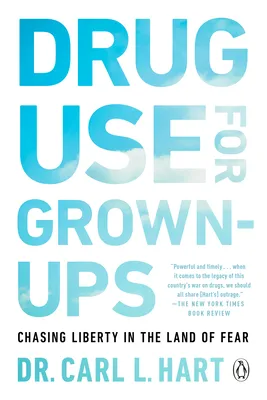
Drug Use for Grown-Ups
Carl L. Hart (2021)
Columbia University professor Carl Hart argues from decades of pharmacological research that the criminalization of drugs — not drugs themselves — causes the greatest harm. A provocative, evidence-based case for responsible adult drug use and rational drug policy.

The Psychedelic Renaissance
Ben Sessa (2017)
A psychiatrist and clinical researcher who has personally conducted MDMA and psilocybin therapy trials provides a thorough overview of psychedelic science, history, pharmacology, and clinical potential. Extensively revised for the 2017 second edition, the book surveys every major psychedelic substance and its evidence base for treating psychiatric disorders.
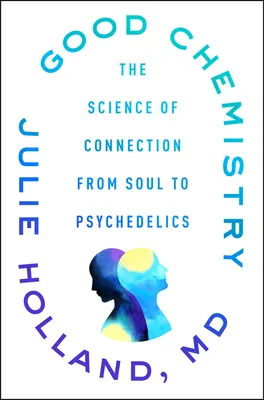
Good Chemistry
Julie Holland (2020)
Psychiatrist and MAPS clinical researcher Julie Holland explores the neuroscience of human connection — why we need it, how modern life undermines it, and how psychedelic medicines can help restore it. The book bridges oxytocin research, attachment theory, and psychedelic pharmacology to make the case that the "chemistry of connection" is the key to both individual healing and collective wellbeing.

The Psychedelic Handbook
Rick Strassman (2022)
A comprehensive, evidence-based practical guide covering nine psychedelic substance classes — psilocybin, LSD, DMT/ayahuasca, mescaline, ketamine, MDMA, ibogaine, 5-MeO-DMT, and Salvia divinorum — written by the clinical researcher who conducted the first FDA-approved psychedelic study in a generation. Each chapter addresses pharmacology, therapeutic potential, safe use guidelines, microdosing, and recognition of adverse reactions.

The Way of the Psychonaut
Stanislav Grof (2019)
Written in his late eighties, this is Stanislav Grof's magnum opus — a comprehensive synthesis of over sixty years of consciousness research through psychedelic-assisted therapy and Holotropic Breathwork. Volume One covers maps of the psyche, the architecture of emotional disorders, perinatal matrices, spiritual emergency, and a fundamental revision of depth psychology based on non-ordinary states of consciousness.
Important Legal Notice
⚠️ Personal Responsibility
You use this application entirely at your own risk and responsibility. MicrodosingDiary is only a tool for recording personal experiences.
🚫 Not a Medical Service
This application IS NOT a medical tool, does not provide medical advice, does not diagnose or treat any conditions. Always consult a qualified physician.
⚖️ Legislation and Laws
Many substances used for microdosing are illegal in many countries. Users are fully responsible for complying with local laws. The application does not support or promote illegal activity.
❌ No Guarantees
We provide no guarantees regarding results, safety or efficacy of microdosing. All information is for informational purposes only.
🔞 Age Restriction
Application is intended only for persons over 18 years of age. By using the application you confirm that you are an adult.
🔒 Data Privacy
Your diary entries are private and encrypted. The application is for personal use. Public-page analytics is described in Privacy and Terms.
By using this application you accept all the above risks and waive any claims against the application operator.