
On this page
🚨 Important Warnings
Please read all warnings carefully before use.
Edibles: onset 30min-2hours. Effects last longer. Easy to overconsume. Start low, go slow.
⚠️ Interactions & Combinations
Important information about drug interactions and combinations. Always consult a physician before combining.
Alcohol
Increases intoxication. "Crossfading" can cause severe nausea, dizziness.
💊 Dosage Guidelines
Typical dosage ranges from sub-perceptual microdoses to full psychoactive doses
Microdose
2.5 mg
Sub-perceptual
Threshold
5.0 mg
First noticeable effects
Moderate
15.0 mg
Full effects
Strong
30.0 mg
Intense experience
📋 Microdosing Protocols
Recommended protocols and regimens for microdosing this substance.
THC Microdosing
Dosage:
- Cbd: 5-10 mg
- Thc: 1-3 mg
Start low (1mg THC). Wait 2 hours with edibles. CBD:THC ratios (1:1, 2:1, CBD-only) affect experience.
✨ Reported Effects
Mood Enhancement
Subtle improvements in emotional well-being and reductions in negative affect reported at microdose levels
Anxiety Reduction
Reduced stress and anxiety at low doses, particularly with CBD-dominant or balanced varieties
Sleep Improvement
Improved sleep onset and quality reported by microdosers, especially with indica-leaning strains
Pain Relief
Sub-perceptual analgesic effect through CB1/CB2 receptor modulation without significant intoxication
Improved Focus
Low-dose THC may enhance task engagement and creative thinking in some individuals
⚠️ Safety Information
Start with very low doses (1–2.5mg THC). Avoid if you have a personal or family history of psychosis, schizophrenia, or cannabis use disorder. Do not combine with alcohol or other sedatives. Those with cardiovascular conditions should exercise caution. Always source from tested, regulated products and be aware of the legal status in your jurisdiction.
🔬 Scientific Research
Current research findings and clinical studies.
FDA-approved: Epidiolex (CBD for epilepsy), Marinol (synthetic THC for nausea). Research ongoing for chronic pain, PTSD, anxiety.
⚖️ Legal Status
Current legal status in various jurisdictions. Always respect local laws.
| Jurisdiction | Status | Details |
|---|---|---|
| US Federal |
Schedule I
|
Federally illegal. 24 states legal recreational, 38+ medical. State-federal conflict ongoing. |
|
Canada
(2018) |
Legal
|
Fully legal for recreational use (2018). |
👤 Key Figures
Notable figures associated with the research and history of this substance.
William B. O'Shaughnessy
Physician, researcher
Introduced cannabis to Western medicine in the 19th century through clinical reports from India.
Raphael Mechoulam
Chemist
Isolated and elucidated THC and other cannabinoids, laying the foundation for modern cannabinoid science.
Lester Grinspoon
Psychiatrist, author
Published influential medical work on cannabis and advocated for reform.
Tod H. Mikuriya
Physician
Pioneered medical cannabis use in the U.S. and developed clinical guidelines.
❓ FAQ
What is cannabis and how does it work for microdosing?
Cannabis (Cannabis sativa, C. indica, C. ruderalis) contains over 100 cannabinoids. The primary psychoactive compound, delta-9-tetrahydrocannabinol (THC), acts on CB1 cannabinoid receptors predominantly in the brain and CB2 receptors in peripheral tissues. CBD (cannabidiol) modulates the endocannabinoid system without direct intoxication and may temper THC effects. At microdose levels — typically 1–2.5 mg THC — the goal is sub-perceptual enhancement of focus, mood, or creativity without intoxication.
Is microdosing cannabis safe?
Cannabis microdosing carries lower risks than recreational use but is not without concern. Regular use — even at sub-perceptual doses — can lead to tolerance, requiring dose escalation to maintain effects. Individuals with personal or family history of psychosis or schizophrenia should avoid THC. Cannabis is associated with anxiety at higher doses; low-dose protocols may reduce this risk. Drug interactions with sedatives and medications metabolised by CYP450 enzymes are possible. Consult a healthcare professional before use, especially if taking other medications.
How is cannabis microdosing different from recreational use?
Recreational use typically aims for noticeable intoxication (5–20+ mg THC). Microdosing targets sub-threshold doses (1–2.5 mg THC) where there is no impairment, no "high," and potentially enhanced cognitive function. A 1:1 or higher CBD:THC ratio is often used in microdosing protocols to mitigate psychoactivity while retaining potential therapeutic benefits.
What are common microdosing administration methods?
Cannabis can be microdosed via vaporization (precise dose control, faster onset), sublingual tinctures (consistent dosing, 15–45 minute onset), or low-dose edibles (2.5 mg THC standard starting dose, onset 30–90 minutes, longer duration). Smoking is less suitable for microdosing due to variable dosing and combustion byproducts.
Is cannabis legal for microdosing?
Legal status varies widely by jurisdiction. Cannabis is federally illegal in the United States but legal for recreational or medical use in many states. It is legal for recreational use in Canada, the Netherlands, Germany, and several other countries. Always verify local regulations before purchase or use.
Recommended Books
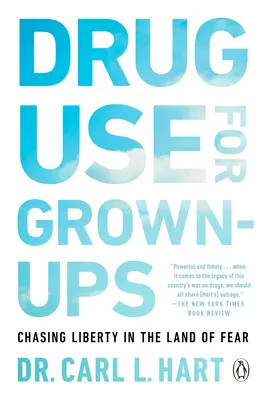
Drug Use for Grown-Ups
Carl L. Hart (2021)
Columbia University professor Carl Hart argues from decades of pharmacological research that the criminalization of drugs — not drugs themselves — causes the greatest harm. A provocative, evidence-based case for responsible adult drug use and rational drug policy.
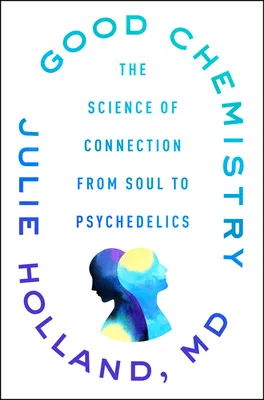
Good Chemistry
Julie Holland (2020)
Psychiatrist and MAPS clinical researcher Julie Holland explores the neuroscience of human connection — why we need it, how modern life undermines it, and how psychedelic medicines can help restore it. The book bridges oxytocin research, attachment theory, and psychedelic pharmacology to make the case that the "chemistry of connection" is the key to both individual healing and collective wellbeing.
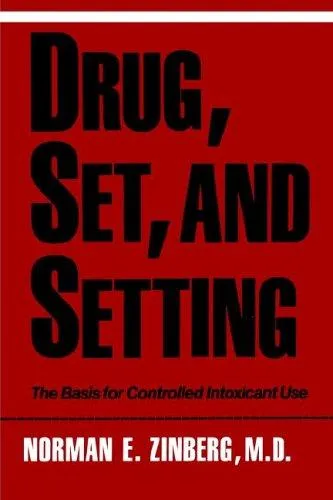
Drug, Set, and Setting
Norman E. Zinberg (1984)
The foundational academic text on controlled drug use, written by Harvard psychiatrist Norman Zinberg, which established the theoretical framework that drug outcomes are determined not just by pharmacology ("drug") but equally by the user's mindset ("set") and their social and physical environment ("setting"). This book provided the scientific basis for the harm-reduction approach that now underpins all responsible psychedelic practice, including microdosing protocols.
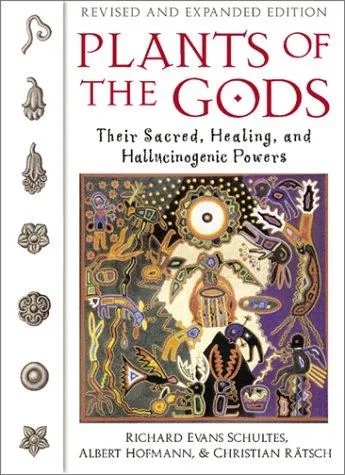
Plants of the Gods
Richard Evans Schultes, Albert Hofmann, Christian Rätsch (1979)
The classic illustrated reference on psychoactive plants, written by the founder of ethnobotany and the chemist who discovered LSD, and revised by Christian Rätsch. Fourteen major plant hallucinogens explored in depth, a lexicon of nearly a hundred more, and a clear account of the chemistry behind them.
Important Legal Notice
⚠️ Personal Responsibility
You use this application entirely at your own risk and responsibility. MicrodosingDiary is only a tool for recording personal experiences.
🚫 Not a Medical Service
This application IS NOT a medical tool, does not provide medical advice, does not diagnose or treat any conditions. Always consult a qualified physician.
⚖️ Legislation and Laws
Many substances used for microdosing are illegal in many countries. Users are fully responsible for complying with local laws. The application does not support or promote illegal activity.
❌ No Guarantees
We provide no guarantees regarding results, safety or efficacy of microdosing. All information is for informational purposes only.
🔞 Age Restriction
Application is intended only for persons over 18 years of age. By using the application you confirm that you are an adult.
🔒 Data Privacy
Your diary entries are private and encrypted. The application is for personal use. Public-page analytics is described in Privacy and Terms.
By using this application you accept all the above risks and waive any claims against the application operator.