On this page
What is it?
Psilocybe cubensis is the most widely cultivated psilocybin mushroom and a standard reference species
for microdosing due to its moderate, predictable potency.
**Taxonomy and Classification**
- Kingdom: Fungi
- Phylum: Basidiomycota
- Class: Agaricomycetes
- Order: Agaricales
- Family: Hymenogastraceae
- Genus: Psilocybe
- Species: P. cubensis
**Name Origin**
- Derived from Greek "psilos" (bare) + "kubê" (head); "cubensis" refers to its Cuban origin.
**Physical Description**
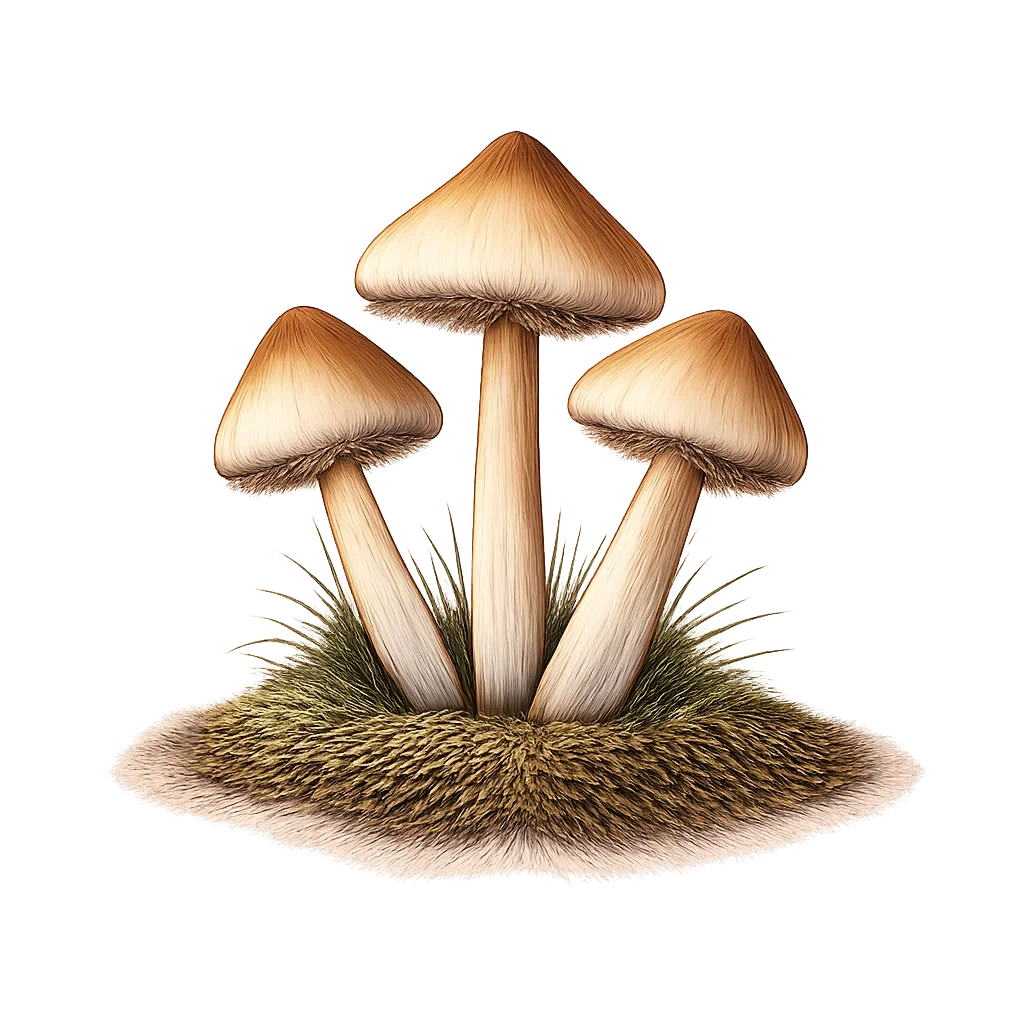
- Cap: 1.6-8 cm diameter, conic to bell-shaped when young, golden-brown with a sticky surface
- Stem: 4-15 cm height, hollow, white to yellowish, with a persistent white ring
- Gills: Gray when young, darkening to purplish-black with maturity
- Spore print: Dark purple-brown
- Distinguishing feature: Strong blue bruising when damaged
**Geographic Distribution**
Native to tropical and subtropical regions across Central and South America, the Caribbean, Southeast
Asia, and Australia. Commonly found in cattle pastures on dung substrate.
**Why Suitable for Microdosing**
- Most widely cultivated and studied psilocybin species
- Moderate, predictable potency and consistent effects across batches
- Extensive variety of well-characterized strains
- Large research base and harm-reduction literature
🚨 Important Warnings
Please read all warnings carefully before use.
Never consume wild mushrooms without expert identification. Many poisonous species can resemble psilocybin mushrooms.
Never combine psilocybin with lithium due to documented seizure risk and severe reactions.
Legal status varies by jurisdiction. Verify local laws before any activity.
Educational and harm-reduction information only, not medical advice. Consult a healthcare professional, especially if you take medications or have health conditions. Individual responses vary.
⚠️ Interactions & Combinations
Important information about drug interactions and combinations. Always consult a physician before combining.
Lithium
Seizure risk and severe adverse reactions
Case reports show very high seizure risk. In a review of 62 lithium + psychedelic reports, 47% involved seizures and 18% severe adverse reactions, with some fatalities.
MAOIs (Monoamine Oxidase Inhibitors)
Dangerous potentiation and serotonin syndrome risk
MAOIs inhibit psilocin breakdown, causing prolonged and intensified effects with unpredictable potentiation and increased serotonin syndrome risk.
Tramadol
Lowered seizure threshold and serotonergic risk
Tramadol lowers seizure threshold and has serotonergic activity, increasing seizure and serotonin syndrome risk when combined with psychedelics.
SSRIs (Selective Serotonin Reuptake Inhibitors)
Reduced effects (5-HT2A downregulation)
SSRIs can blunt psilocybin effects by reducing 5-HT2A receptor availability. Studies show no serotonin syndrome when combined, but effects may be significantly reduced. Do not abruptly discontinue SSRIs to use psilocybin.
Antipsychotics
Blocking effects (5-HT2A antagonism)
Antipsychotics block 5-HT2A receptors and can significantly reduce or stop psychedelic effects. In one study, 1 mg haloperidol reduced effects by ~69-78%; these drugs are used clinically to terminate difficult experiences.
Tricyclic Antidepressants
Serotonergic and cardiac risk
TCAs have serotonergic actions and known cardiac effects (QT prolongation). Limited data show no serotonin syndrome, but combined cardiovascular stress is concerning; not recommended.
Cannabis
Unpredictable synergy
Cannabis can unexpectedly intensify effects and increase anxiety or paranoia. Many adverse event reports involve polysubstance use, including cannabis.
💊 Dosage Guidelines
Typical dosage ranges from sub-perceptual microdoses to full psychoactive doses
Microdose
0.1 g
Sub-perceptual
Threshold
0.5 g
First noticeable effects
Moderate
2.0 g
Full effects
Strong
4.0 g
Intense experience
🧪 Preparation
Preparation methods and handling tips for accurate dosing.
Capsule Method
The gold standard for microdosing. Dried mushrooms are ground to powder and weighed into capsules for consistent, tasteless, portable doses.
Steps:
- Ensure mushrooms are cracker-dry
- Grind to a fine powder
- Weigh the desired amount per capsule
- Fill capsules manually or with a capsule machine
- Verify weight (subtract empty capsule weight ~0.05 g)
- Label with dosage and date
Blue Honey Method
Honey acts as a natural preservative; mushroom powder is infused in honey for a shelf-stable preparation.
Steps:
- Dry mushrooms completely and grind to powder
- Layer mushroom powder with raw honey in a glass jar
- Seal and store in a cool, dark place
- Wait at least 2 weeks (optimal 1-4 months) before use
- Stir occasionally for even distribution
Chocolate Method
Mix mushroom powder into melted chocolate for palatable, portioned doses. Let chocolate cool to ~32°C before mixing to avoid heat-related psilocybin degradation (degrades around 70°C).
Steps:
- Grind dried mushrooms to a fine powder
- Melt chocolate using a double boiler
- Cool chocolate to ~32°C/90°F before mixing in powder
- Mix thoroughly for even distribution
- Pour into molds and cool until solid
Powder / Tea Method
Powder can be taken with food or steeped as tea below 70°C for faster onset, though tea can be harder to dose precisely. Helpful for those who experience nausea from eating mushrooms.
Steps:
- Grind dried mushrooms to a fine powder
- Measure the intended amount
- Consume directly or steep in hot water below 70°C
📋 Microdosing Protocols
Recommended protocols and regimens for microdosing this substance.
Standard Cubensis Microdose
Dosage:
0.1-0.3g dried
Schedule:
1 den užívání, 2-3 dny pauza
Most common protocol for P. cubensis microdosing.
Fadiman Protocol
Dosage:
Start 0.05-0.1g dried; typical 0.1-0.3g dried. If you feel it, reduce.
Schedule:
1 day on, 2 days off
The most widely recommended starting protocol. Day 1: microdose in the morning. Day 2: transition day to observe residual effects. Day 3: baseline day. Repeat.
Detailed Schedule:
- Day 1: Take microdose in the morning
- Day 2: Transition day - observe afterglow
- Day 3: Baseline day
- Day 4: Repeat cycle
Stamets Protocol (Stamets Stack)
Dosage:
Psilocybin 0.1-0.2g dried; lion's mane 500-1000mg; niacin 25-50mg (flush).
Schedule:
4 days on, 3 days off
Combines psilocybin with lion's mane and niacin for hypothesized synergistic neurogenesis benefits. Best after completing 1-2 cycles of the Fadiman Protocol.
Detailed Schedule:
- Days 1-4: Take all three components each morning
- Days 5-7: Rest (optional lion's mane only)
- Repeat for 4 weeks
- Take a 2-4 week break before the next cycle
✨ Reported Effects
Creativity Enhancement
Enhanced creative thinking and novel idea generation; evidence is mixed and may be influenced by expectations. Surveys report 71-77% of microdosers cite creativity as a key motivation.
Focus & Concentration
Some users report subtle improvements in sustained attention; increased arousal may help maintain focus, but objective gains are inconsistent.
Mood Improvement
Often reported lift in mood and emotional balance, with small-to-medium improvements in observational studies. One 30-day study (n=953) reported small-to-medium gains.
Emotional Processing
May support deeper emotional awareness and processing of challenging experiences; one study found reduced EEG error rates in facial/emotional tasks.
⚠️ Safety Information
Psilocybin has an excellent safety profile in controlled settings with low physiological toxicity and low addiction potential; estimated lethal doses are more than 1,000x therapeutic. Responses vary by genetics, mental health history, medications, and set/setting. Avoid use if you have a personal history of psychosis, schizophrenia, or bipolar I disorder, and never combine with lithium (including within the past 30 days). Use caution with pregnancy or breastfeeding, age under 21, or significant cardiovascular conditions; long-term serotonergic activation (5-HT2B) may warrant periodic cardiac monitoring. Even microdoses can cause anxiety, nausea, or paranoia, with around 20% reporting mild adverse reactions - start with the lowest possible dose and use a precision scale. Seek professional support if you have severe anxiety, PTSD, or suicidal ideation.
🔬 Scientific Research
Current research findings and clinical studies.
Randomized trial showed rapid and sustained antidepressant effects: 71% clinically significant response and 54% remission at week 4, with large effect sizes (Cohen d ~2.5).
Phase 2b dose-finding trial found 25 mg psilocybin significantly reduced MADRS scores vs 1 mg (P<.001), with 37% response and 29% remission at week 3.
Psilocybin showed higher response (70%) and remission (57%) than escitalopram (48% and 28%). The primary outcome was not statistically significant, but secondary outcomes favored psilocybin.
Single 25 mg dose significantly reduced depression symptoms vs placebo (P<.001), with 42% response vs 26%.
Psilocybin-assisted therapy produced large reductions in heavy drinking days (83% vs 51% placebo) and higher abstinence rates (48% vs 24% at 8 months).
⚖️ Legal Status
Current legal status in various jurisdictions. Always respect local laws.
| Jurisdiction | Status | Details |
|---|---|---|
|
United States (Federal)
(1970) |
Schedule I - Illegal
|
Classified as Schedule I under the Controlled Substances Act (no accepted medical use, high abuse potential). FDA granted "breakthrough therapy" designation in 2018. Oregon legalized supervised therapeutic use in 2020 (effective 2023); Colorado decriminalized in 2022; 15+ cities have decriminalized. |
|
Netherlands
(2008) |
Mushrooms illegal / Truffles legal
|
Psilocybin mushrooms were banned in 2008, but psilocybin truffles (sclerotia) remain legal if fresh. Only fresh truffles are legal; dried or processed truffles are illegal. Smart shops sell fresh truffles, and retreat centers operate legally for wellness purposes. |
|
Czech Republic
(2025) |
Medical use legalized (effective 2026)
|
Parliament approved medical psilocybin in July 2025 and President Pavel signed it into law, effective January 1, 2026. First EU country with nationwide medical legalization; only certified psychiatrists may prescribe, and use is restricted to synthetic psilocybin in supervised psychiatric settings. |
|
Canada
(1974) |
Schedule III - Illegal with exemptions
|
Controlled substance with legal access possible via Section 56 exemptions and the Special Access Program (SAP). Since August 2020, 50+ patients and 19 healthcare professionals received exemptions; 68% of SAP applications (318/471) have been approved since 2022. |
|
United Kingdom
(1971) |
Class A - Illegal
|
Class A under the Misuse of Drugs Act (Schedule 1, no recognized medical use). Possession can carry up to 7 years imprisonment; research is permitted with a Home Office license. Spores are legal because they contain no psilocybin. |
|
Australia
(2023) |
Schedule 8 - Legal for specific medical use
|
Reclassified from Schedule 9 to Schedule 8 on July 1, 2023 for treatment-resistant depression only. Prescribing is restricted to psychiatrists via the Authorised Prescriber Scheme and must occur in supervised medical settings. |
👤 Key Figures
Notable figures associated with the research and history of this substance.
Paul Stamets
Mycologist, researcher, author
Developed the "Stamets Stack" microdosing protocol combining psilocybin with lion's mane and niacin. Filed 20+ mushroom-related patents, founded Fungi Perfecti, and collaborated on large citizen-science microdosing studies via the Microdose.me app (8,600+ participants).
James Fadiman
Psychologist, researcher, author
Known as the "father of modern microdosing." Developed the Fadiman Protocol, authored "The Psychedelic Explorer's Guide" (2011), and collected thousands of microdosing reports from 30+ countries since 2010.
Terence McKenna
Ethnobotanist, author, lecturer
Co-authored "Psilocybin: Magic Mushroom Grower's Guide" (1976), which sold 100,000+ copies and made home cultivation accessible. Proposed the "Stoned Ape Theory" and popularized psilocybin in counterculture.
Gastón Guzmán
Mycologist, taxonomist
Authored major taxonomic works on the Psilocybe genus.
R. Gordon Wasson
Ethnomycologist, author
Published "Seeking the Magic Mushroom" in Life magazine (1957), introducing psilocybin mushrooms to Western culture after a 1955 velada with María Sabina. A J.P. Morgan vice president and ethnomycologist, he sent specimens to Albert Hofmann, helping enable psilocybin isolation and mainstreamed the term "magic mushroom."
Roger Heim
Mycologist
Co-authored early scientific studies on psilocybin mushrooms and provided specimens for isolation.
Albert Hofmann
Swiss chemist (Sandoz Laboratories)
Isolated, identified, and synthesized psilocybin and psilocin in 1958 from Psilocybe mexicana specimens; also discovered LSD (1943). In 1962 he visited María Sabina and provided synthetic psilocybin pills, supporting modern research.
📚 Scientific Research
PubMed Central (NIH)
US National Library of Medicine database with peer-reviewed psilocybin research articles.
https://www.ncbi.nlm.nih.gov/pmc/?term=psilocybinJohns Hopkins Center for Psychedelic Research
Leading research center conducting psilocybin clinical trials for depression, addiction, and end-of-life distress.
https://hopkinspsychedelic.org/MAPS (Multidisciplinary Association for Psychedelic Studies)
Non-profit organization funding and conducting psychedelic research and education.
https://maps.org/Erowid Psilocybin Vault
Comprehensive database of psilocybin mushroom information, experience reports, and harm reduction resources.
https://erowid.org/plants/mushrooms/Imperial College Centre for Psychedelic Research
UK-based research center pioneering brain imaging studies and clinical trials with psilocybin.
https://www.imperial.ac.uk/psychedelic-research-centre/❓ FAQ
How long does onset take?
Microdose onset typically occurs within 20-60 minutes. Tea preparations may begin within 15-30
minutes due to faster absorption. Effects are sub-perceptual but may include subtle mood lift and
increased energy.
How should it be stored?
Store in airtight containers in cool (10-21°C), dark, dry conditions with silica gel desiccant.
Properly stored dried mushrooms last 6-12 months at room temperature and 1-2+ years when frozen or
vacuum-sealed. Signs of degradation include soft texture, off smell, visible mold, or loss of color.
What are the differences between varieties?
Strains vary primarily in potency (Penis Envy around 1.5% vs Golden Teacher around 0.63% psilocybin),
effect profile (more visual vs introspective), and growing difficulty. The old saying "a cube is a
cube" applies - most cubensis strains are similar, with potent variants like Penis Envy the exception.
Can it be combined with other supplements?
The Stamets Stack combines psilocybin with lion's mane and niacin for potential neurogenesis
benefits. Ginger may help with nausea. Always consult healthcare providers, especially if you take
medications.
How to recognize quality product?
Quality indicators include cracker-dry texture (snaps, doesn't bend), consistent coloration, blue
bruising (indicates psilocybin), no visible mold, and a clean mushroom smell. Red flags include slimy
or soft texture, dark discoloration, foul odor, or visible contamination.
Recommended Books
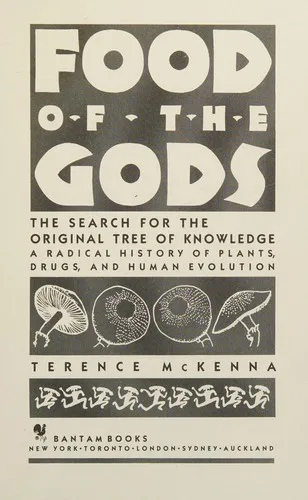
Food of the Gods
Terence McKenna (1992)
McKenna presents a sweeping argument that psychoactive plants — especially psilocybin mushrooms — played a pivotal role in human cognitive evolution, language development, and cultural formation. A provocative blend of ethnobotany, anthropology, and cultural history.
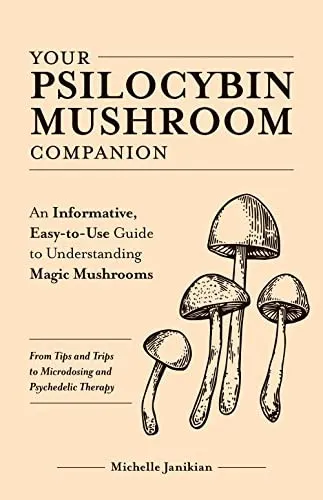
Your Psilocybin Mushroom Companion
Michelle Janikian (2019)
A comprehensive, beginner-friendly guide to psilocybin mushrooms covering everything from planning safe trips and training guides to microdosing protocols and psychedelic therapy. Journalist Michelle Janikian pairs the latest research with practical, step-by-step advice for both newcomers and experienced users, emphasizing harm reduction throughout.
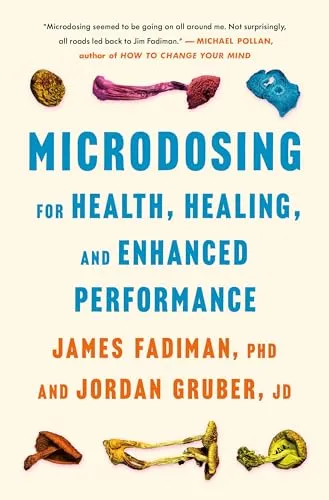
Microdosing for Health, Healing, and Enhanced Performance
James Fadiman, Jordan Gruber (2025)
The long-awaited follow-up to The Psychedelic Explorer's Guide, written by the man whose name is on the most widely used microdosing protocol. Fadiman and Gruber distil over a decade of self-reports from thousands of microdosers, alongside the latest clinical research, into the most complete book on the practice to date.
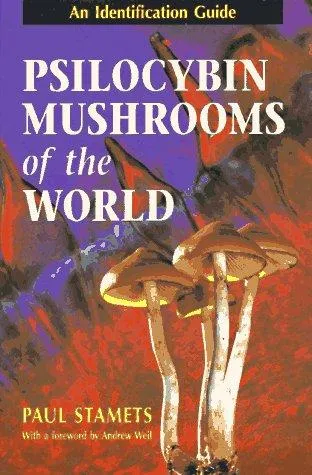
Psilocybin Mushrooms of the World
Paul Stamets (1996)
The standard field guide to psilocybin-containing mushrooms, written by the mycologist whose name is on the Stamets microdosing protocol. Detailed descriptions and colour photographs of more than 100 species, plus a rigorous method for telling them apart from their poisonous look-alikes.
Important Legal Notice
⚠️ Personal Responsibility
You use this application entirely at your own risk and responsibility. MicrodosingDiary is only a tool for recording personal experiences.
🚫 Not a Medical Service
This application IS NOT a medical tool, does not provide medical advice, does not diagnose or treat any conditions. Always consult a qualified physician.
⚖️ Legislation and Laws
Many substances used for microdosing are illegal in many countries. Users are fully responsible for complying with local laws. The application does not support or promote illegal activity.
❌ No Guarantees
We provide no guarantees regarding results, safety or efficacy of microdosing. All information is for informational purposes only.
🔞 Age Restriction
Application is intended only for persons over 18 years of age. By using the application you confirm that you are an adult.
🔒 Data Privacy
Your diary entries are private and encrypted. The application is for personal use. Public-page analytics is described in Privacy and Terms.
By using this application you accept all the above risks and waive any claims against the application operator.