On this page
What is it?
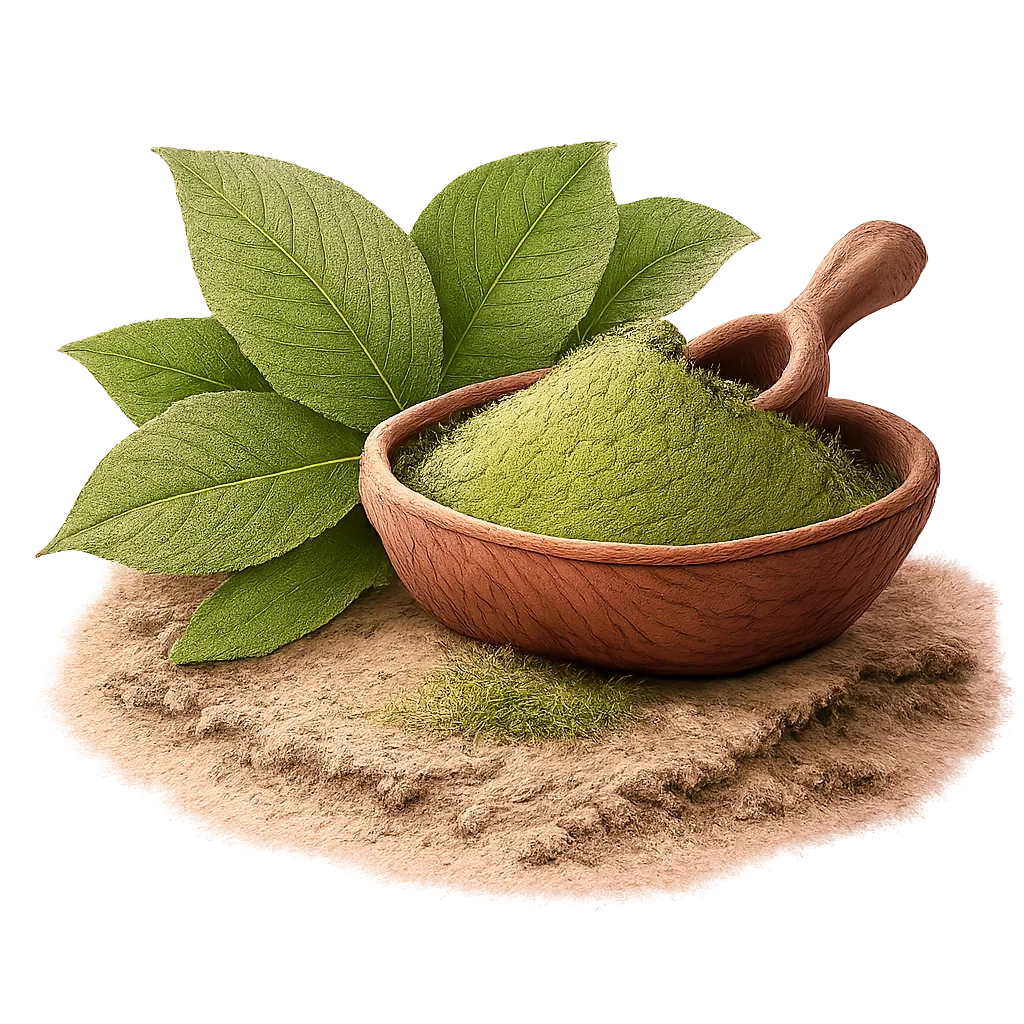
Kratom is from Mitragyna speciosa tree. Contains mitragynine and 7-hydroxymitragynine - opioid-like but NOT true opioids. Low doses: stimulant. High doses: sedative, pain relief. **Physical dependence possible**. FDA warnings issued. Traditional use in Thailand/Malaysia.
🚨 Important Warnings
Please read all warnings carefully before use.
Physical dependence develops with daily use. Withdrawal symptoms similar to opioids but milder. Not suitable for opioid addiction treatment without medical supervision.
FDA warns against use. Contamination issues with some products. No quality control standards. Test products when possible.
⚠️ Interactions & Combinations
Important information about drug interactions and combinations. Always consult a physician before combining.
Opioids
Dangerous combination. Respiratory depression risk. Multiple fatalities when combined.
Alcohol
Increases sedation. Nausea, dizziness common.
💊 Dosage Guidelines
Typical dosage ranges from sub-perceptual microdoses to full psychoactive doses
Microdose
1.0 g
Sub-perceptual
Threshold
2.0 g
First noticeable effects
Moderate
5.0 g
Full effects
Strong
8.0 g
Intense experience
📋 Microdosing Protocols
Recommended protocols and regimens for microdosing this substance.
Low-Dose Stimulant Protocol
Dosage:
1-2 g dried leaf powder, weighed on a precision scale (0.1g resolution).
Schedule:
Maximum 3 times per week, no consecutive days
Kratom microdosing differs from psychedelic microdosing due to opioid receptor activity and dependence risk. At 1-2g dried leaf, stimulant effects predominate via adrenergic receptor activation. Strict frequency limits are essential to prevent tolerance and dependence.
✨ Reported Effects
Energy & Alertness
Stimulant-like increase in energy, alertness and motivation at low doses through adrenergic receptor activation
Mood Enhancement
Improved emotional well-being and reductions in low mood, attributed to mu-opioid receptor partial agonism
Improved Focus
Enhanced concentration and mental engagement reported at microdose levels (1–2g)
Pain Relief
Mild analgesic effect via opioid receptor modulation without full sedation at low doses
Anxiety Reduction
Reduced social anxiety and stress reported by some users at sub-sedative doses
⚠️ Safety Information
Start with low doses (1–2g) to assess individual tolerance. Alkaloid content varies significantly between strains and suppliers. Daily use carries risk of dependence — limit frequency and take regular breaks. Do not combine with opioids, alcohol, or other CNS depressants. Consult a healthcare provider if you have liver conditions or are taking medications. Be aware of the legal status in your jurisdiction.
🔬 Scientific Research
Current research findings and clinical studies.
Traditional use for pain relief, opioid withdrawal. Limited clinical research. Anecdotal reports of successful opioid cessation, but also dependence transfer.
⚖️ Legal Status
Current legal status in various jurisdictions. Always respect local laws.
| Jurisdiction | Status | Details |
|---|---|---|
| US Federal |
Legal (not scheduled)
|
Legal federally. Banned in: Alabama, Arkansas, Indiana, Rhode Island, Vermont, Wisconsin. Some cities/counties ban. |
| Thailand |
Decriminalized 2021
|
Traditional use country. Banned 1943-2021, now decriminalized for traditional/medical use. |
👤 Key Figures
Notable figures associated with the research and history of this substance.
Christopher McCurdy
Pharmacognosy researcher
Leading researcher on kratom alkaloids and pharmacology.
Oliver Grundmann
Pharmacologist
Conducted clinical and pharmacological studies on kratom use and safety.
Walter Prozialeck
Pharmacologist, toxicologist
Published studies on kratom pharmacology, toxicity, and dependence.
Edward M. Boyer
Medical toxicologist
Documented kratom exposures and safety concerns in clinical toxicology.
❓ FAQ
Is kratom an opioid?
Kratom is not a classic opioid, but its alkaloids (primarily 7-hydroxymitragynine) do activate opioid receptors, particularly at higher doses. This means it can produce opioid-like effects — including analgesia, euphoria, and sedation — and carries risks of dependence and withdrawal similar to opioids.
What is kratom used for?
Traditionally used in Southeast Asia as a stimulant for laborers and in folk medicine. Contemporary uses include self-management of opioid withdrawal symptoms, pain relief, energy enhancement (low doses), and anxiety reduction. These uses are not clinically approved, and evidence quality varies.
What are the risks of kratom use?
Risks include nausea, constipation, liver toxicity (rare), seizures, and dependence. Regular use can lead to a withdrawal syndrome including muscle pain, irritability, insomnia, and cravings. Mixing with other substances — especially opioids, benzodiazepines, or alcohol — significantly increases risk.
Is kratom legal?
Legal status varies widely. It is banned in Thailand (though being reconsidered for medical use), Malaysia, Australia, and several US states. In most of Europe and many US states it remains legal but unregulated. Always verify local regulations before purchasing or use.
Can kratom help with opioid withdrawal?
Some people use kratom to manage opioid withdrawal symptoms due to its partial opioid receptor activity. While anecdotal reports exist, clinical evidence is limited. Kratom itself carries dependence risk, and this use should only be considered under medical supervision.
Important Legal Notice
⚠️ Personal Responsibility
You use this application entirely at your own risk and responsibility. MicrodosingDiary is only a tool for recording personal experiences.
🚫 Not a Medical Service
This application IS NOT a medical tool, does not provide medical advice, does not diagnose or treat any conditions. Always consult a qualified physician.
⚖️ Legislation and Laws
Many substances used for microdosing are illegal in many countries. Users are fully responsible for complying with local laws. The application does not support or promote illegal activity.
❌ No Guarantees
We provide no guarantees regarding results, safety or efficacy of microdosing. All information is for informational purposes only.
🔞 Age Restriction
Application is intended only for persons over 18 years of age. By using the application you confirm that you are an adult.
🔒 Data Privacy
Your diary entries are private and encrypted. The application is for personal use. Public-page analytics is described in Privacy and Terms.
By using this application you accept all the above risks and waive any claims against the application operator.