
On this page
What is it?
Banisteriopsis caapi (ayahuasca vine) contains beta-carboline alkaloids that act as reversible MAO inhibitors. While full ayahuasca combines this with DMT-containing plants, the vine alone has therapeutic potential and is sometimes used for microdosing.
Caapi-only microdosing (0.5-2g dried vine) may offer mild mood elevation, dream enhancement, and potential antidepressant effects without the intense DMT experience. Research is limited but promising.
🚨 Important Warnings
Please read all warnings carefully before use.
MAOI requires dietary restrictions (tyramine-free diet). Avoid aged cheeses, cured meats, certain fermented foods.
⚠️ Interactions & Combinations
Important information about drug interactions and combinations. Always consult a physician before combining.
SSRIs / Antidepressants
Serotonin Syndrome Risk
MAOI + SSRI can cause dangerous serotonin syndrome. Requires washout period.
💊 Dosage Guidelines
Typical dosage ranges from sub-perceptual microdoses to full psychoactive doses
Microdose
0.4 g
Sub-perceptual
Threshold
5.0 g
First noticeable effects
Moderate
15.0 g
Full effects
Strong
30.0 g
Intense experience
📋 Microdosing Protocols
Recommended protocols and regimens for microdosing this substance.
Caapi Vine Microdose Protocol
Dosage:
0.5-2 g dried vine or 0.4-1 g extract equivalent. Start at lowest dose. Nausea is common at higher doses — reduce if it occurs.
Schedule:
2-3 times per week, non-consecutive days
Caapi-only microdosing uses the vine without DMT-containing admixtures. Effects derive from beta-carboline alkaloids (harmine, harmaline, THH) acting as reversible MAO-A inhibitors with antidepressant-like properties. CRITICAL: dietary and medication restrictions apply at every dose level due to MAO-A inhibition.
✨ Reported Effects
Mood Enhancement
Beta-carboline alkaloids show antidepressant properties; improved emotional well-being reported at low doses
Neuroplasticity Support
Harmine promotes BDNF expression and neurogenesis, supporting cognitive resilience
Reduced Anxiety
Calming effect on the nervous system; reduced stress and anxiety reported by regular users
Dream Enhancement
Increased dream vividness and recall attributed to tetrahydroharmine (THH) content
⚠️ Safety Information
Banisteriopsis caapi contains potent MAO inhibitors — dietary and drug restrictions apply even at microdose levels. Do not combine with SSRIs, SNRIs, MAOIs, tricyclics, stimulants, opioids, or tyramine-rich foods (aged cheese, cured meats, wine) — risk of hypertensive crisis or serotonin syndrome. Contraindicated with many common medications. Consult a healthcare provider before use if taking any prescription drugs.
🔬 Scientific Research
Current research findings and clinical studies.
Harmine and related beta-carboline alkaloids demonstrate antidepressant effects in animal models through multiple mechanisms: MAO-A inhibition, DYRK1A inhibition, BDNF stimulation, and hippocampal neurogenesis promotion.
Harmine and tetrahydroharmine stimulate proliferation of neural progenitor cells in vitro. This suggests B. caapi alkaloids may promote neurogenesis independently of DMT.
Randomized, placebo-controlled trial of full ayahuasca for treatment-resistant depression. Significant antidepressant effects observed at day 1, 2, and 7 post-session compared to placebo.
⚖️ Legal Status
Current legal status in various jurisdictions. Always respect local laws.
| Jurisdiction | Status | Details |
|---|---|---|
| United States |
Legal (unscheduled)
|
Banisteriopsis caapi vine is not scheduled under the Controlled Substances Act. Legal to possess and sell as a botanical supplement. Only DMT-containing preparations (full ayahuasca) are controlled. |
| European Union (most countries) |
Legal
|
B. caapi vine is legal in most EU countries and sold as a botanical supplement. Not covered by UN drug conventions. Concentrated extracts may have different status in some jurisdictions. |
| Brazil |
Legal (culturally protected)
|
Ayahuasca and its plant components are legal for religious and traditional use. Santo Daime and União do Vegetal have full legal recognition for ceremonial use. |
| France |
Controlled
|
Harmine and harmaline are classified as controlled substances since 2005, making B. caapi vine effectively illegal in France. |
| Australia |
Controlled (Schedule 9)
|
Harmine and harmaline are Schedule 9 prohibited substances. B. caapi vine is effectively illegal in Australia. |
👤 Key Figures
Notable figures associated with the research and history of this substance.
Richard Evans Schultes
Ethnobotanist
Documented Amazonian medicinal plants including Banisteriopsis caapi.
Luis Eduardo Luna
Anthropologist, researcher
Researched and documented ayahuasca traditions and botanical knowledge.
Dennis McKenna
Ethnopharmacologist
Studied beta-carboline alkaloids and traditional ayahuasca use.
Benny Shanon
Cognitive psychologist
Authored influential analyses of ayahuasca experiences and context.
❓ FAQ
What is "Caapi only" and how does it differ from full ayahuasca?
Traditional ayahuasca is a brew combining Banisteriopsis caapi (MAOI vine) with DMT-containing admixture plants, most commonly Psychotria viridis. "Caapi only" uses the vine alone, without any DMT source. This produces a fundamentally different, non-psychedelic experience focused on the direct pharmacological effects of the beta-carboline alkaloids — primarily harmine, harmaline, and tetrahydroharmine.
Can Caapi vine be used for microdosing?
Some practitioners use low doses of B. caapi (0.5–2g dried vine, or 0.4–1g extract equivalent) for mood support, neuroplasticity, and anxiety reduction. Unlike full ayahuasca, caapi-only microdosing does not produce visions. However, even at low doses, the MAO-A inhibition from beta-carbolines is pharmacologically active, meaning dietary and drug interactions must be taken seriously at any dose level.
Is Caapi vine safe at microdose levels?
Beta-carboline alkaloids inhibit MAO-A even at low doses. This creates meaningful interactions with tyramine-rich foods (aged cheeses, cured meats, fermented products, certain wines) — potentially triggering a hypertensive crisis — and with serotonergic medications including SSRIs, SNRIs, tramadol, and stimulants. These interactions are not dose-dependent in the way that psychedelic effects are. Caapi vine is not pharmacologically mild at any dose and requires the same dietary and medication precautions as clinical MAOI drugs.
Does Caapi vine have antidepressant properties?
Preclinical evidence suggests harmine and related alkaloids may have antidepressant effects through multiple mechanisms: MAO-A inhibition, DYRK1A inhibition, BDNF stimulation, and neurogenesis promotion in animal models. Observational studies of ayahuasca users have documented sustained antidepressant effects, though isolating the caapi vine's contribution from DMT effects is methodologically difficult. No controlled clinical trials have evaluated caapi vine alone for depression.
What is the legal status of Caapi vine?
Banisteriopsis caapi vine is legal in most countries, including the United States and most of Europe, where it is sold as a botanical supplement. It is not scheduled under international drug control conventions. Concentrated extracts may have different regulatory status in some jurisdictions. Always verify current local regulations before purchasing.
Recommended Books
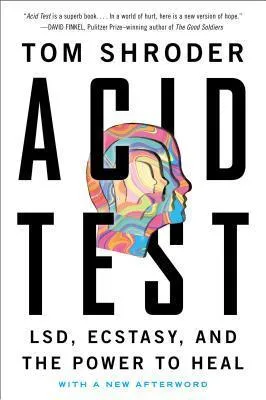
Acid Test
Tom Shroder (2014)
Award-winning Washington Post journalist Tom Shroder tells the story of the psychedelic renaissance through three interconnected lives: Rick Doblin, founder of MAPS; Michael Mithoefer, the psychiatrist pioneering MDMA-assisted therapy; and Nick Blackston, a Marine suffering from severe PTSD. The book traces the arc from LSD's discovery through prohibition to the modern clinical trials that are bringing psychedelics back into medicine.
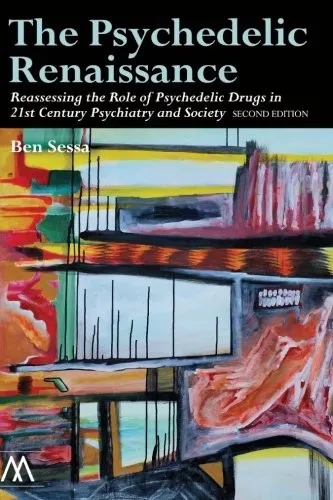
The Psychedelic Renaissance
Ben Sessa (2017)
A psychiatrist and clinical researcher who has personally conducted MDMA and psilocybin therapy trials provides a thorough overview of psychedelic science, history, pharmacology, and clinical potential. Extensively revised for the 2017 second edition, the book surveys every major psychedelic substance and its evidence base for treating psychiatric disorders.
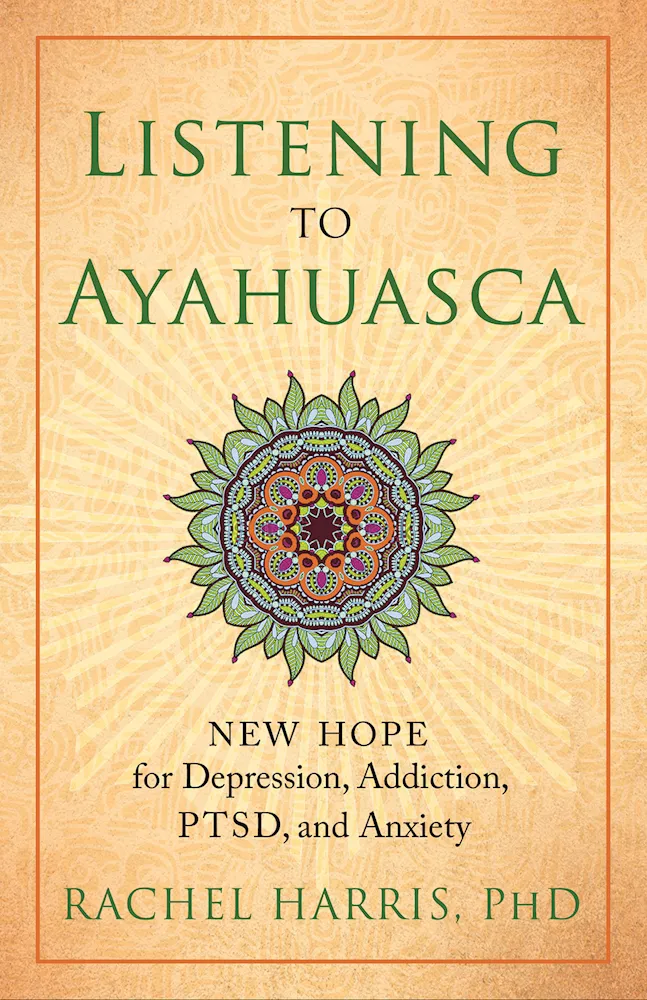
Listening to Ayahuasca
Rachel Harris (2017)
Psychologist Rachel Harris presents the findings of the largest study of ayahuasca use in North America, combined with her own experiences and clinical perspective. The book explores ayahuasca's therapeutic potential for depression, addiction, PTSD, and anxiety while providing practical guidance for those considering the experience, with a strong focus on integration.
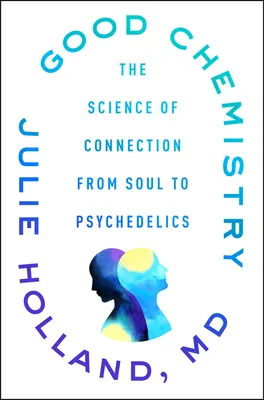
Good Chemistry
Julie Holland (2020)
Psychiatrist and MAPS clinical researcher Julie Holland explores the neuroscience of human connection — why we need it, how modern life undermines it, and how psychedelic medicines can help restore it. The book bridges oxytocin research, attachment theory, and psychedelic pharmacology to make the case that the "chemistry of connection" is the key to both individual healing and collective wellbeing.
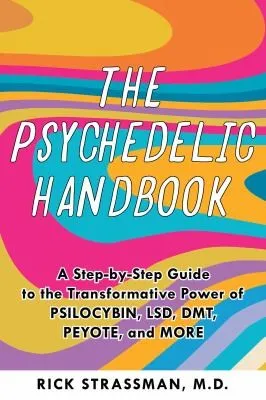
The Psychedelic Handbook
Rick Strassman (2022)
A comprehensive, evidence-based practical guide covering nine psychedelic substance classes — psilocybin, LSD, DMT/ayahuasca, mescaline, ketamine, MDMA, ibogaine, 5-MeO-DMT, and Salvia divinorum — written by the clinical researcher who conducted the first FDA-approved psychedelic study in a generation. Each chapter addresses pharmacology, therapeutic potential, safe use guidelines, microdosing, and recognition of adverse reactions.
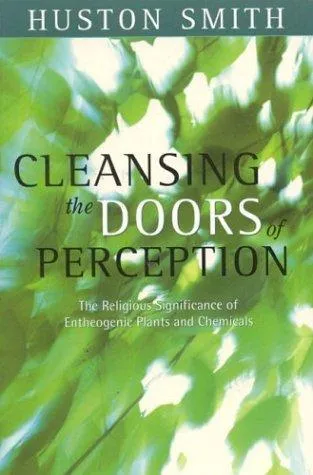
Cleansing the Doors of Perception
Huston Smith (2000)
The definitive scholarly treatment of whether psychedelic experiences qualify as authentically religious, written by the 20th century's foremost authority on comparative religion. Drawing on his personal participation in the 1962 Good Friday Experiment, his friendship with Aldous Huxley, and four decades of studying the world's spiritual traditions, Smith concludes that entheogens can trigger genuine mystical experiences but cannot by themselves produce religious lives — integration is where the real work begins.
Important Legal Notice
⚠️ Personal Responsibility
You use this application entirely at your own risk and responsibility. MicrodosingDiary is only a tool for recording personal experiences.
🚫 Not a Medical Service
This application IS NOT a medical tool, does not provide medical advice, does not diagnose or treat any conditions. Always consult a qualified physician.
⚖️ Legislation and Laws
Many substances used for microdosing are illegal in many countries. Users are fully responsible for complying with local laws. The application does not support or promote illegal activity.
❌ No Guarantees
We provide no guarantees regarding results, safety or efficacy of microdosing. All information is for informational purposes only.
🔞 Age Restriction
Application is intended only for persons over 18 years of age. By using the application you confirm that you are an adult.
🔒 Data Privacy
Your diary entries are private and encrypted. The application is for personal use. Public-page analytics is described in Privacy and Terms.
By using this application you accept all the above risks and waive any claims against the application operator.